
The short answer
A chimney liner is usually needed in Fort Greene when an old clay flue is cracked or missing, when a boiler is converted from oil to gas, or when a new appliance doesn't match the existing flue size. Our certified technicians inspect the chimney, size a liner to the appliance, and install it from the top down.
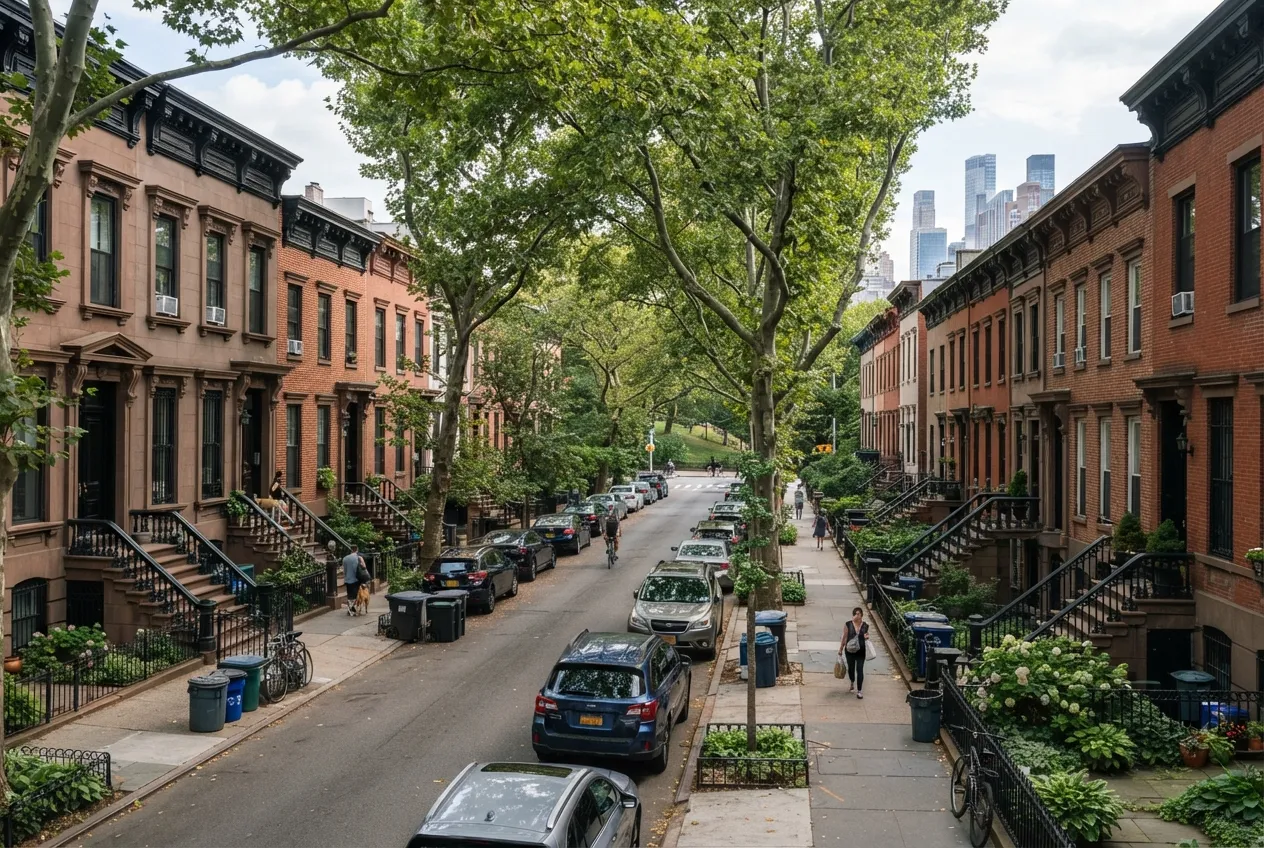
Many chimneys in Fort Greene's brownstones, rowhouses and pre-war apartment buildings were built long before today's boilers, water heaters and fireplace inserts. Over time their clay tile flues crack, shift or wear away, and some older chimneys were never lined. A properly sized liner keeps hot exhaust and corrosive byproducts inside the flue. That protects the brick and the wood framing around it and helps your appliance draft the way it was designed to. EverSafe Chimney Sweep installs chimney liners throughout the neighborhood from our office at 732 Fulton St.
Why older Fort Greene chimneys often need a new liner
Masonry chimneys in older Brooklyn homes take decades of heat, moisture and freeze-thaw cycles. In a rowhouse or brownstone, several flues often run side by side inside a shared chimney stack. A crack in one flue tile can let smoke or exhaust leak into a neighboring flue, into the wall cavity, or back into living space. In pre-war apartment buildings, a single flue may serve a boiler and a water heater, which makes its condition even more important.
A liner doesn't fix a chimney that is structurally failing, but it restores a sealed, correctly sized path for exhaust inside sound masonry. These are common signs that a liner should be evaluated:
- Pieces of clay tile or crumbling mortar collecting at the base of the flue or in the cleanout
- White staining or flaking brick on the chimney exterior or on interior walls near the chimney
- Water stains, damp patches or musty odors around the chimney breast
- An inspection camera showing open joints, cracked tiles or no liner at all
- A new boiler, water heater, stove or insert that doesn't match the existing flue size
Oil-to-gas conversions and your chimney
Many Fort Greene homes and small buildings have switched, or are planning to switch, their boilers from oil to gas. When a New York City building converts its boiler from oil to gas, the chimney has to be evaluated as part of the work. A new liner is often needed because gas exhaust produces acidic condensate that can corrode a masonry flue. Gas exhaust also runs cooler than oil exhaust, so that moisture tends to condense inside an old, oversized flue instead of venting out.
We work alongside your heating contractor so the liner is sized and connected to match the new equipment. If you own a multi-unit building, keep in mind that New York City's heat season runs from October 1 through May 31. During that period, owners must keep apartments heated to the city's minimum temperatures. Planning the liner work for late spring or summer avoids a heating gap when tenants need it most.
Matching the liner to the appliance
Liner size matters as much as liner condition. A flue that is too large lets exhaust cool and linger, which leads to condensation, creosote or poor draft. A flue that is too small can't carry enough exhaust and may spill fumes back into the house. Before recommending a liner, we look at the appliance's venting requirements, the height and path of the chimney, and whether the flue is shared.
Stainless steel liners are the most common choice for gas and oil boilers and for water heaters. Wood stoves and fireplace inserts usually call for an insulated stainless steel liner that keeps flue gases hot. Some masonry chimneys with irregular or offset flues are better suited to a cast-in-place liner. We'll explain which option fits your chimney and why.
How we install a chimney liner
Under the NFPA 211 standard, a change to the system, such as a new appliance or a switch of fuel, calls for a Level 2 inspection. That inspection is where every liner job starts. From there, the work follows a clear sequence:
- Inspect the flue with a camera and note cracks, gaps, offsets and obstructions
- Measure the flue and confirm the appliance's venting requirements
- Clean the flue so the liner goes into a clear, debris-free passage
- Lower the liner from the roof, protecting the roof surface and the masonry crown
- Connect the liner to the appliance and seal the top with a cap
- Run a final camera check and test the draft before we leave
Serving Fort Greene and nearby neighborhoods
Our crews work across ZIP code 11205 and in the surrounding neighborhoods of Clinton Hill, Downtown Brooklyn, DUMBO, Boerum Hill and Prospect Heights. These areas share much of the same housing stock: attached brownstones and rowhouses with tight roof access, plus pre-war buildings with tall, shared flues. We plan each installation around those conditions, including roof access, protecting neighbors' parapets and coordinating with building management when needed.
After the liner is in, the NFPA 211 standard still calls for chimneys, fireplaces and vents to be inspected once a year. A yearly Level 1 inspection catches loose connections, blockages and wear early.
More services in Fort Greene
- Chimney Sweep in Fort Greene
- Chimney Inspection in Fort Greene
- Chimney Repair in Fort Greene
- Air Duct Cleaning in Fort Greene