The short answer
A chimney inspection checks the flue, masonry, liner and connections for damage, blockages and venting problems. The NFPA 211 standard calls for an inspection once a year, and a more detailed inspection when you change appliances or fuel, or buy or sell a home. EverSafe Chimney Sweep's certified technicians inspect chimneys throughout Fort Greene from our office at 732 Fulton St.
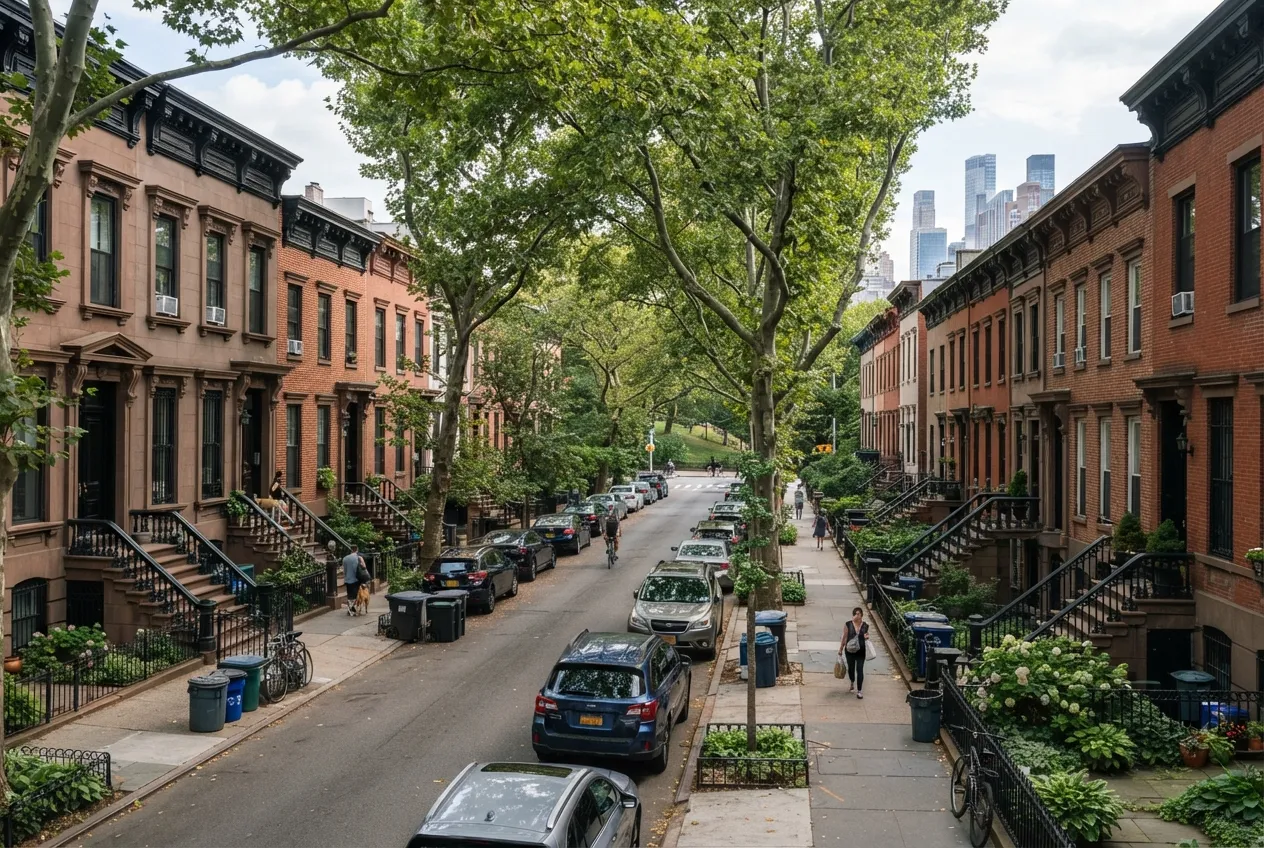
Fort Greene's brownstones, rowhouses and pre-war apartment buildings were built when chimneys did more work than they do today. Many of those flues now vent gas boilers or water heaters, serve a fireplace that gets used a few times a winter, or sit sealed off and half forgotten. A chimney inspection tells you what condition yours is actually in, whether it is safe to use, and what, if anything, needs attention. Our office is on Fulton Street in Fort Greene, so we serve homeowners in the 11205 ZIP code and the surrounding neighborhoods.
What a Chimney Inspection Covers
An inspection is a close look at every part of the venting system you can reach, from the firebox or appliance connection up to the crown and cap on the roof. Our certified technicians look for anything that could let heat, smoke or exhaust escape where it shouldn't, or keep it from leaving the house at all.
In older Brooklyn masonry, problems often build slowly and stay out of sight. Mortar joints weaken, flue tiles crack, and debris collects at the base of the chimney. An inspection finds these issues while they are still small and before they turn into a hazard.
- Flue liner condition, including cracks, gaps and missing sections
- Creosote and soot buildup in wood-burning flues
- Blockages from nests, fallen masonry or debris
- Crown, cap and flashing condition on the roof
- Smoke chamber, damper and firebox in fireplaces
- Connector pipes from boilers, furnaces and water heaters
Level 1, 2 and 3 Inspections
NFPA 211 recommends inspecting chimneys, fireplaces and vents once a year. Chimney professionals use three levels of inspection, and the right one depends on what has changed in your home.
A Level 1 inspection fits a chimney that is used the same way it was last year and has no known problems. A Level 2 inspection applies when something changes, such as installing a new appliance or switching fuels, and when a home is sold. It includes a more thorough review, usually with a camera run through the flue. A Level 3 inspection is needed only when a suspected hidden hazard can't be reached without opening part of the chimney or the building. We explain which level we recommend and why before any work begins.
Fort Greene Homes and Oil-to-Gas Conversions
Many buildings in Fort Greene once burned heating oil and have since switched to gas, or are planning to. When a New York City building converts its boiler from oil to gas, the chimney has to be evaluated as part of the job. A new liner is often needed, because gas exhaust produces acidic condensate that can corrode a masonry flue that was never built for it.
If your building converted years ago and nobody checked the chimney since, an inspection is worth scheduling. The liner may be in good shape, but it's better to confirm that than to assume it. If you are planning a conversion now, we can inspect the chimney early, so a liner requirement doesn't surprise you in the middle of the project.
Timing Your Inspection Around Heat Season
New York City's heat season runs from October 1 through May 31. During those months, building owners must keep apartments heated to the city's minimum temperatures. For owners of multi-unit brownstones and pre-war buildings, a chimney problem in January can mean shutting down a boiler that tenants depend on.
Late spring and summer are the easiest times to inspect, because the heating system can be off and any repairs can be finished before October. Homeowners with wood-burning fireplaces get the same benefit: you'll know the flue is clean and sound before the first cold night.
Serving Fort Greene and Nearby Neighborhoods
We work out of our office at 732 Fulton St, so homes across Fort Greene are close by. We also inspect chimneys in Clinton Hill, Downtown Brooklyn, DUMBO, Boerum Hill and Prospect Heights, where the housing ranges from brownstones and rowhouses to pre-war apartment buildings. After every inspection, you get a plain explanation of what we found, with photos when they help, and clear recommendations you can act on at your own pace.
More services in Fort Greene
- Chimney Sweep in Fort Greene
- Chimney Repair in Fort Greene
- Air Duct Cleaning in Fort Greene
- Chimney Liner Installation in Fort Greene