
The short answer
Air duct cleaning is worth doing in a Fort Greene home when there is substantial visible mold, signs of rodents or insects, or heavy dust and debris inside the ducts. Our certified technicians inspect first, clean with negative-pressure equipment and brushes when cleaning is warranted, and check dryer and exhaust vents, which are a common fire risk when neglected.
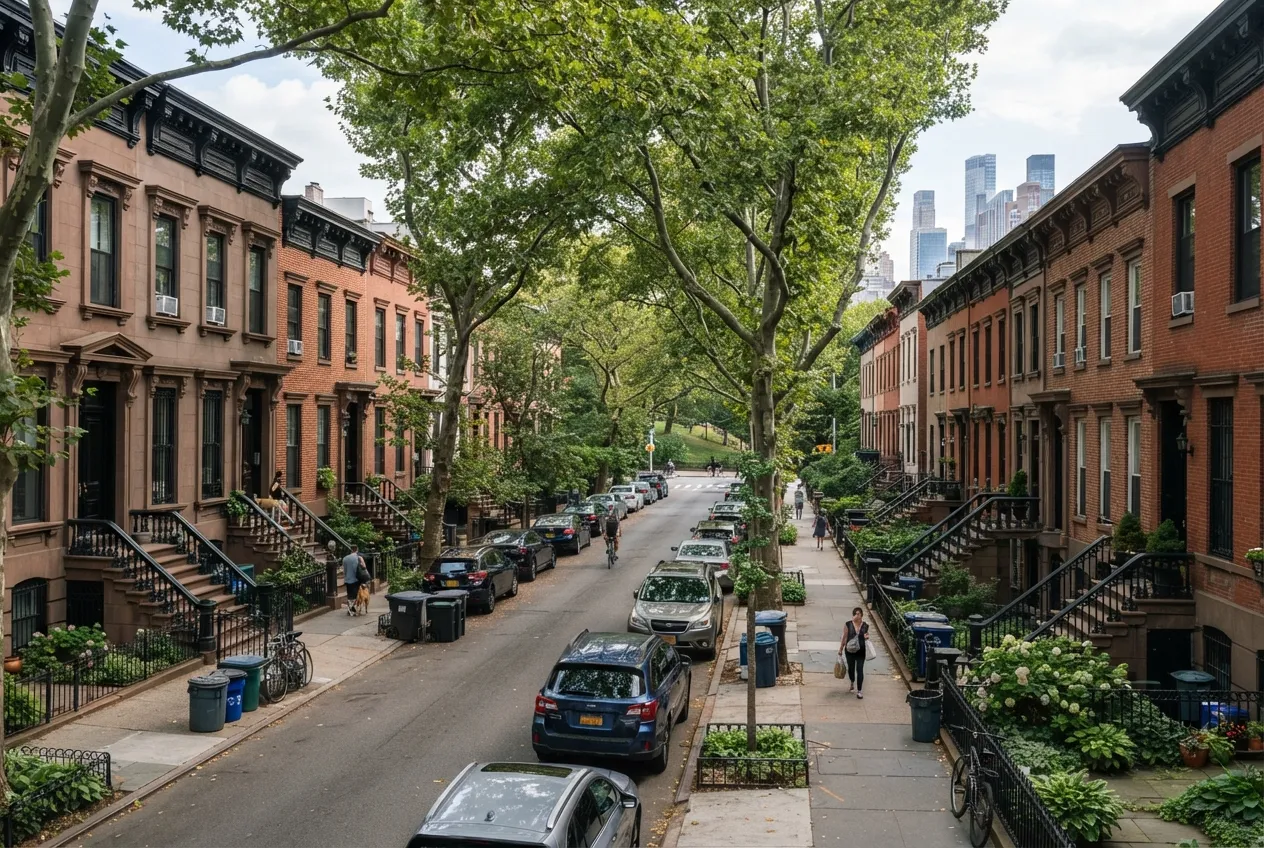
EverSafe Chimney Sweep cleans air ducts, dryer vents and exhaust ducts for homes in Fort Greene, working from our office at 732 Fulton St. The neighborhood's brownstones, rowhouses and pre-war apartment buildings were mostly built before central air existed. That means the ductwork found here today is often a later addition, squeezed into closets, ceilings and old chases. We start by looking at what your home actually has and whether it needs cleaning. Then we explain what we found before any work begins.
When Duct Cleaning Actually Makes Sense
We follow the U.S. EPA's guidance. It recommends cleaning air ducts when there is a clear reason, not as routine maintenance on a fixed calendar. The EPA also notes that duct cleaning has not been shown to prevent health problems. We won't promise that cleaning will cure allergies or make the air in your home healthier.
Here are the situations where cleaning is generally justified:
- Substantial mold growth you can see inside ducts or on other parts of the heating and cooling system
- Signs of mice, rats or insects in the ductwork, such as droppings, nesting material or odors
- Enough dust and debris that it blows out of supply registers when the system runs
- Construction dust left behind after a renovation, which is common when older Brooklyn homes are opened up
Ductwork in Fort Greene Homes
Ductwork in brownstones and rowhouses varies a lot from house to house. Many still heat with radiators and have had central air or a heat pump added later. Those added ducts often run through hung ceilings, closets or the top floor, with long horizontal stretches where dust settles. Some houses have a forced-air furnace in the cellar with ducts that rise through the floors. Older metal runs in these systems can have loose joints that pull in dust from wall cavities.
In pre-war apartment buildings, a unit may have little or no central ductwork. Even so, bathroom exhaust fans, kitchen hood ducts and dryer vents still collect lint, grease and dust. We look at all of these, not just the supply and return ducts. Then we tell you which parts of your home's system are worth cleaning.
What a Visit Involves
We start with an inspection of the air handler, registers, accessible duct runs and any return grilles. Where we can, we use a camera to see inside duct sections you can't reach by hand. If cleaning is warranted, we put the system under negative pressure with a collection unit so loosened debris is pulled out instead of being spread through your rooms. We then agitate the duct surfaces with brushes and air tools.
We also clean registers and grilles, check the blower area, and protect floors and furnishings along the work path. Any access holes we cut are sealed when we finish. The EPA advises caution with chemical treatments such as sanitizers and sealants. We don't apply them as a routine add-on. If one ever seems appropriate, we'll explain why and what it contains, and we'll only proceed with your approval.
Dryer Vents and Exhaust Ducts
According to the U.S. Fire Administration, failure to clean is the leading factor contributing to clothes dryer fires in homes. In rowhouses and apartments, dryer vents often run longer than they should or bend through tight spaces to reach an exterior wall. Some are made of flexible foil that crushes and traps lint. We clean the full vent run, check the exterior termination and point out kinks or damaged sections. Bathroom and kitchen exhaust ducts get the same attention, since grease and lint buildup reduce airflow and can become a hazard.
Timing and Nearby Neighborhoods
Many homeowners schedule duct work in late summer or early fall, before the heating system runs every day. If you're also due for a yearly chimney or flue inspection, we can often look at both on the same visit. Beyond Fort Greene and the 11205 ZIP code, we serve homes in Clinton Hill, Downtown Brooklyn, DUMBO, Boerum Hill and Prospect Heights.
More services in Fort Greene
- Chimney Sweep in Fort Greene
- Chimney Inspection in Fort Greene
- Chimney Repair in Fort Greene
- Chimney Liner Installation in Fort Greene