
The short answer
EverSafe Chimney Sweep serves Clinton Hill from our nearby Fort Greene office with chimney sweeping, inspections, repairs, relining, waterproofing and rebuilding, plus dryer vent and air duct cleaning. We focus on the issues common in older Brooklyn masonry: worn flues, water damage, and liners that need updating after a boiler change.
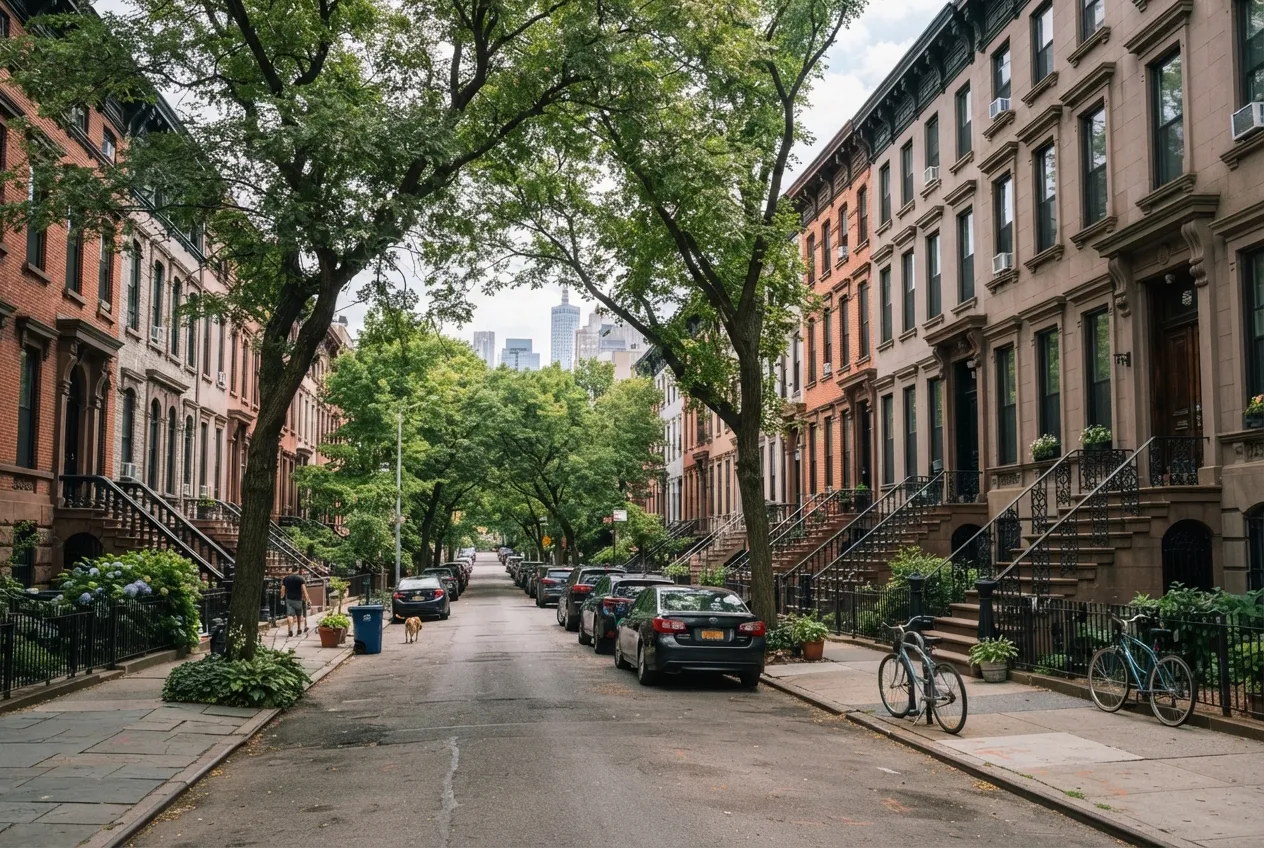
Clinton Hill is about a mile northeast of our Fort Greene office, so EverSafe Chimney Sweep is close by when you need a chimney swept, inspected or repaired. The neighborhood's brownstones, rowhouses and pre-war apartment buildings were built around masonry chimneys. Many of those chimneys have served coal, oil and gas equipment over their lifetimes, and some sit behind fireplaces that were closed off long ago. Our certified technicians work on those systems from the firebox to the crown. We also clean the dryer vents and air ducts in the same homes. Below is what we usually look for in Clinton Hill houses and buildings and how we approach the work.
What Clinton Hill Chimneys Tend to Need
Brownstones and rowhouses often have several flues in one chimney stack. One may serve the boiler or water heater, and others may lead to fireplaces on different floors. Over time it can become unclear which flue does what, especially after renovations. We trace each flue, check that it is clear and suited to the appliance using it, and note any openings that should be sealed or restored.
Older masonry also wears in predictable ways. Mortar joints erode, clay tile liners crack, and dampers rust in place after years without use. If you want to bring a closed fireplace back into service, we can tell you what it would take to use it safely.
- Chimney sweeping for wood-burning fireplaces and heating flues
- Chimney inspections at all three inspection levels
- Chimney repair, including masonry and crown work
- Chimney liner installation for gas, oil and wood appliances
- Fireplace and damper repair
- Chimney caps and chase covers
- Chimney waterproofing
- Partial and full chimney rebuilding
Yearly Inspections and When a Deeper Look Makes Sense
The NFPA 211 standard calls for chimneys, fireplaces and vents to be inspected once a year. A Level 1 inspection fits when nothing about your system has changed. A Level 2 inspection is the right choice when you add a new appliance, switch fuels, or buy or sell a home, which matters in a neighborhood where older houses change hands and get renovated. A Level 3 inspection is reserved for cases where a suspected hazard can only be reached by opening part of the chimney or building.
We explain which level applies before we start, and we show you what we found so you can decide on next steps.
Oil-to-Gas Conversions and Chimney Liners
Many Clinton Hill buildings that once burned heating oil now run on gas. When a New York City building converts its boiler from oil to gas, the chimney has to be evaluated as part of that work. A new liner is often needed because gas exhaust produces acidic condensate that can corrode an unlined or poorly lined masonry flue.
Timing matters too. New York City's heat season runs from October 1 through May 31, and building owners must keep apartments heated to the city's minimums during that period. Planning liner work and inspections for the warmer months helps avoid heating disruptions once the season begins.
Brooklyn Weather and Masonry
Clinton Hill gets cold winters with repeated freezing and thawing, heavy rain from coastal storms, and humid summers. Water that gets into brick and mortar expands when it freezes, which widens cracks and loosens the crown. Over several winters, small gaps can become loose bricks, stained ceilings and rusted dampers.
A properly fitted chimney cap keeps rain, debris and animals out of the flue. A chase cover protects framed chimneys. A breathable waterproofing treatment helps masonry shed water while still letting moisture escape. When damage has gone too far for repair, we can rebuild the affected section of the chimney.
Dryer Vents and Air Ducts
According to the U.S. Fire Administration, failure to clean is the leading factor in home clothes dryer fires. Rowhouses and apartments often have long or winding vent runs, so lint can build up out of sight. We clean the full run to the exterior termination and check for crushed or disconnected sections.
For air ducts, we follow the U.S. EPA's guidance. Cleaning makes sense when there is substantial visible mold growth, vermin, or excessive dust and debris. The EPA notes that duct cleaning has not been shown to prevent health problems, and it advises caution with chemical treatments. We will tell you plainly whether your ducts need cleaning.
Nearby Neighborhoods We Serve
Along with Clinton Hill, we serve Fort Greene, Prospect Heights, South Williamsburg, Downtown Brooklyn and DUMBO. These neighborhoods share many of the same housing types, from brownstones to pre-war apartment buildings, so the same careful approach applies wherever you are nearby.
Services in Clinton Hill
- Chimney Sweep in Clinton Hill
- Chimney Inspection in Clinton Hill
- Chimney Repair in Clinton Hill
- Air Duct Cleaning in Clinton Hill
- Chimney Liner Installation in Clinton Hill