
The short answer
Clinton Hill homeowners should have their chimneys inspected once a year, as the NFPA 211 standard calls for, and cleaned when soot or creosote has built up. Older masonry chimneys, and those venting boilers converted from oil to gas, need extra attention.
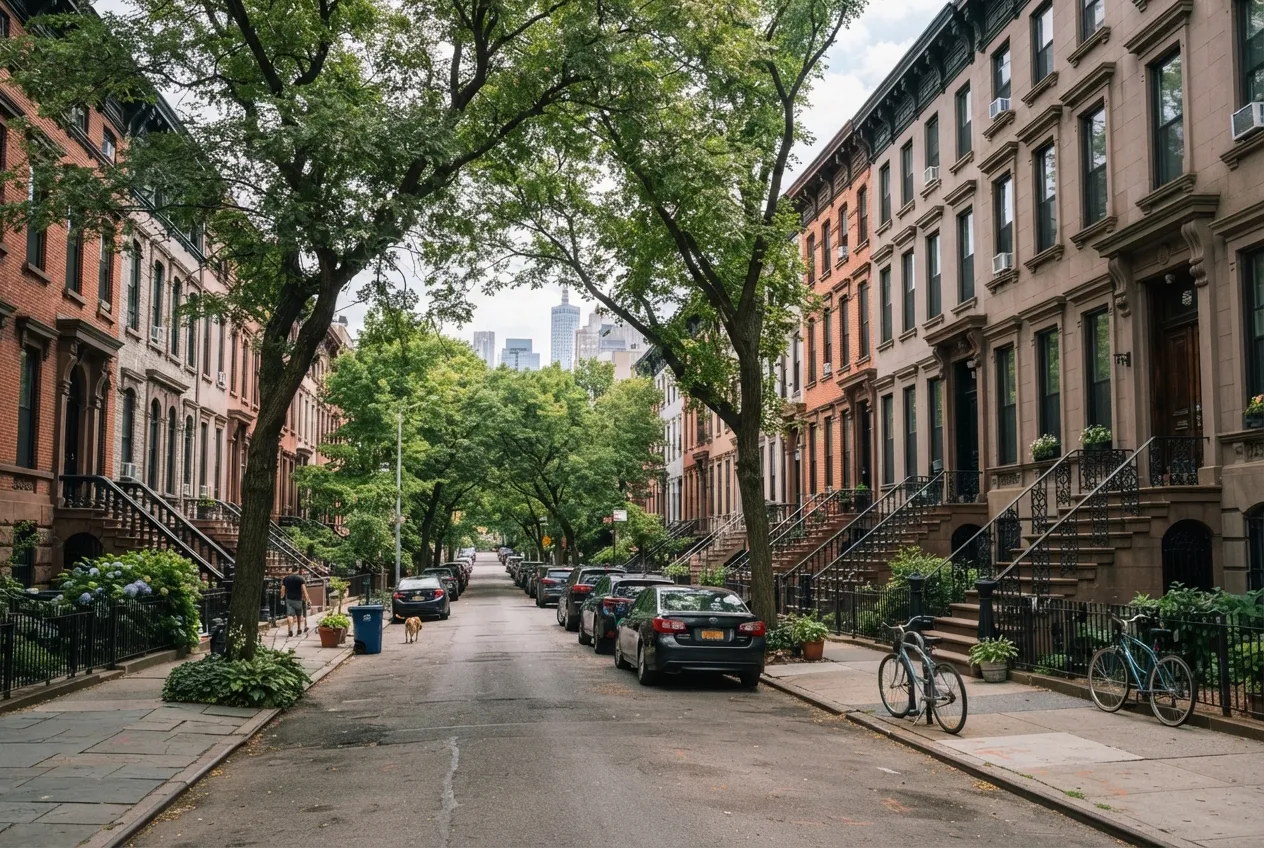
Clinton Hill has many older brownstones, rowhouses, pre-war apartment buildings and a few detached homes. Many still have working fireplaces, and others have chimneys that vent a boiler or water heater. EverSafe Chimney Sweep is based in Fort Greene, about a mile away, so our certified technicians can reach Clinton Hill homes easily. We clean flues, remove creosote and debris, and check the condition of the chimney while we work. This page explains what a chimney sweep involves for the kinds of homes common in Clinton Hill and when to schedule one.
What a Chimney Sweep Covers in an Older Brooklyn Home
A chimney sweep removes the soot, creosote, nesting material and loose masonry that collect inside a flue. In a brownstone or rowhouse, one chimney stack often holds several flues. One may serve a parlor-floor fireplace, another a bedroom fireplace, and another the boiler in the cellar. We identify which flue serves which appliance before we start, so each one gets cleaned and checked.
Our technicians protect the floor and hearth, then brush the flue from below, from the roof, or both. Debris is collected and taken away. We tell you what we found, including any cracks, missing mortar or damper problems that need follow-up.
- Brushing and vacuuming the flue, smoke chamber and firebox
- Checking the damper, smoke shelf and chimney cap
- Clearing nests and debris that can block draft
- Looking for cracked flue tiles, gaps and deteriorated mortar
Why Yearly Inspections Matter in Clinton Hill
The NFPA 211 standard calls for chimneys, fireplaces and vents to be inspected once a year. Chimney professionals use three inspection levels. A Level 1 inspection fits a chimney where nothing has changed. A Level 2 inspection applies when the system changes, such as a new appliance or a switch of fuel, or when the home is being sold. A Level 3 inspection is for cases where a hidden hazard can only be reached by opening part of the chimney or building.
Clinton Hill homes change hands and get renovated often. If you are buying, selling or updating a heating system, ask whether a Level 2 inspection makes sense alongside the sweep.
Boiler Chimneys and Oil-to-Gas Conversions
Many pre-war buildings and larger rowhouses in the neighborhood once burned oil. When a New York City building converts its boiler from oil to gas, the chimney has to be evaluated as part of the work. A new liner is often needed because gas exhaust produces acidic condensate that can corrode a masonry flue.
If your building has converted, or is planning to, we can sweep the flue and look for signs of condensate damage, such as flaking tile, staining or debris at the base of the chimney. That helps you and your heating contractor decide what the chimney needs.
Timing Your Sweep Around Heat Season
New York City's heat season runs from October 1 through May 31. During that time, building owners must keep apartments heated to the city's minimum temperatures. A boiler flue that is blocked or damaged in January is a serious problem for a building with tenants.
For that reason, late spring and summer are good times to schedule a sweep. You can finish any repairs before the boiler is needed again. Fireplace owners benefit from the same timing, because the flue is clean and checked before the first cold evening.
- Schedule boiler flue cleaning after heat season ends on May 31
- Book fireplace sweeps before fall to avoid the seasonal rush
- Call sooner if you notice smoke backing up or strong odors
Signs Your Clinton Hill Chimney Needs Attention
Do not wait for the yearly visit if something seems wrong. Older masonry chimneys can show trouble in several ways. Watch for smoke entering the room, a strong smell of soot in humid weather, black flakes in the firebox, or bits of tile or mortar falling into the fireplace. Water stains near the chimney breast can point to a damaged cap or crown.
We also serve nearby Fort Greene, Prospect Heights, South Williamsburg, Downtown Brooklyn and DUMBO. If you own more than one property in the area, we can coordinate visits.
More services in Clinton Hill
- Chimney Inspection in Clinton Hill
- Chimney Repair in Clinton Hill
- Air Duct Cleaning in Clinton Hill
- Chimney Liner Installation in Clinton Hill