
The short answer
EverSafe Chimney Sweep repairs chimneys in Clinton Hill's brownstones, rowhouses, and pre-war buildings, including masonry, crowns, flashing, dampers, and flue liners. We inspect first so the repair matches the real problem, and we're based in neighboring Fort Greene, about a mile away.
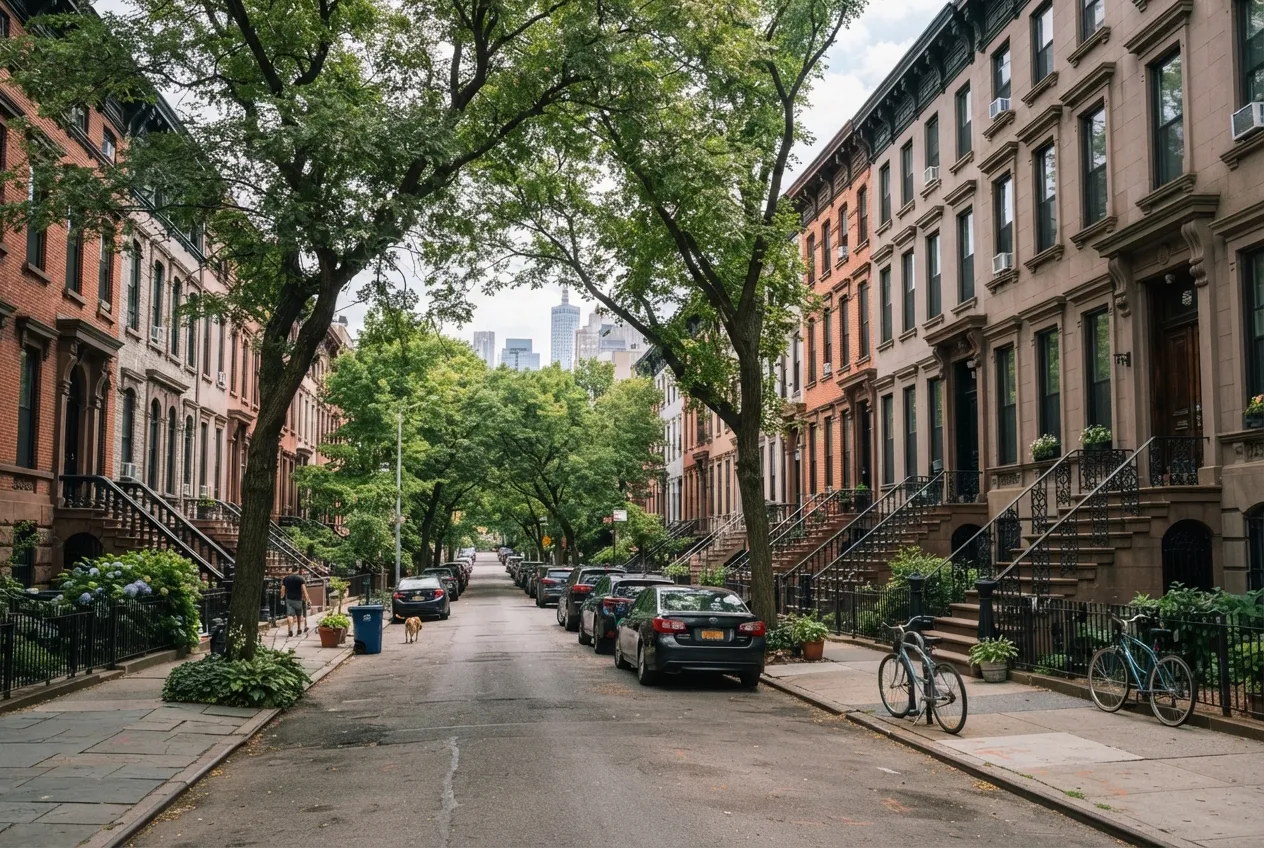
Clinton Hill is full of older masonry homes: brownstones, brick rowhouses, pre-war apartment buildings, and a scattering of larger detached houses. Many of these chimneys have been standing for generations, and many have changed jobs over time, from coal to oil to gas, or from a working fireplace to a sealed-up decorative one. That history shows up in the brick, the mortar, the crown, and the flue. EverSafe Chimney Sweep repairs chimneys throughout Clinton Hill from our office in Fort Greene, about a mile away. Our certified technicians look at the whole system before recommending work, so you know what's actually wrong and why a repair matters.
What Goes Wrong With Chimneys in Older Clinton Hill Homes
Most chimney damage in this neighborhood comes from water and age. Rain and snow soak into old brick and mortar, then freeze and expand in winter. Over many seasons that cycle loosens joints, cracks crowns, and pushes brick faces off, a problem known as spalling. On rowhouses, chimneys often sit at the roof edge or near a shared wall, where flashing has to seal against both the roof and the masonry. Failed flashing is one of the most common reasons homeowners notice stains on a top-floor ceiling or along a chimney breast.
Inside the chimney, older clay tile liners can crack or separate, and some very old flues were never lined at all. Damage you can't see from the street or the living room is often the most important to find, because a broken liner can let heat or exhaust reach parts of the house it shouldn't.
We Inspect Before We Repair
The NFPA 211 standard calls for chimneys, fireplaces, and vents to be inspected once a year, and it describes three inspection levels. A Level 1 inspection fits when nothing about the system has changed. A Level 2 inspection is called for when the system changes, such as a new appliance or a switch of fuel, or when the home is sold. A Level 3 inspection is used when a hidden hazard has to be reached by opening part of the chimney or building.
For repair work, we usually start with the level that matches your situation, often including a camera look down the flue. Then we explain what we found in plain terms, show you photos when we can, and separate urgent safety issues from items that can be planned for later.
Chimney Repairs We Handle in Clinton Hill
Each repair is matched to the chimney's material, how it's used, and what's connected to it. Common work in the neighborhood includes:
- Repointing loose or eroded mortar joints
- Replacing spalled or broken brick
- Rebuilding or resealing cracked chimney crowns
- Repairing or replacing flashing where the chimney meets the roof
- Installing chimney caps to keep out rain, debris, and animals
- Repairing or replacing fireplace dampers
- Relining flues with liners suited to the appliance or fuel
- Water repellent treatment for masonry after repairs are complete
Oil-to-Gas Conversions and Flue Liners
Plenty of Clinton Hill buildings have switched, or plan to switch, from an oil boiler to gas. When a New York City building converts its boiler from oil to gas, the chimney has to be evaluated as part of the work. A new liner is often needed because gas exhaust produces acidic condensate that can corrode a masonry flue. If your building is planning a conversion, it helps to bring us in early so the chimney work can be scheduled alongside the boiler work rather than holding it up.
Planning Repairs Around the Heat Season
New York City's heat season runs from October 1 through May 31. During that time, building owners must keep apartments heated to the city's minimum temperatures. If your boiler vents through the chimney, a repair that takes the flue out of service in midwinter can create real problems for tenants and owners alike. Late spring and summer are usually the easiest times for liner work and larger masonry repairs. If you have an urgent problem in the colder months, we'll talk through options that keep the heating system safe while the repair is planned.
Serving Clinton Hill and Nearby Neighborhoods
Our office is in Fort Greene, so Clinton Hill is close to home for us. We also repair chimneys in Fort Greene, Prospect Heights, South Williamsburg, Downtown Brooklyn, and DUMBO, where the housing has a similar mix of masonry rowhouses, brownstones, and older apartment buildings.
More services in Clinton Hill
- Chimney Sweep in Clinton Hill
- Chimney Inspection in Clinton Hill
- Air Duct Cleaning in Clinton Hill
- Chimney Liner Installation in Clinton Hill