
The short answer
Clinton Hill chimneys often need a new liner because old masonry flues crack, lose mortar, or are the wrong size for a modern boiler or water heater, especially after an oil-to-gas conversion. EverSafe Chimney Sweep inspects the flue, recommends a liner matched to your appliance, and installs it from the roof down.
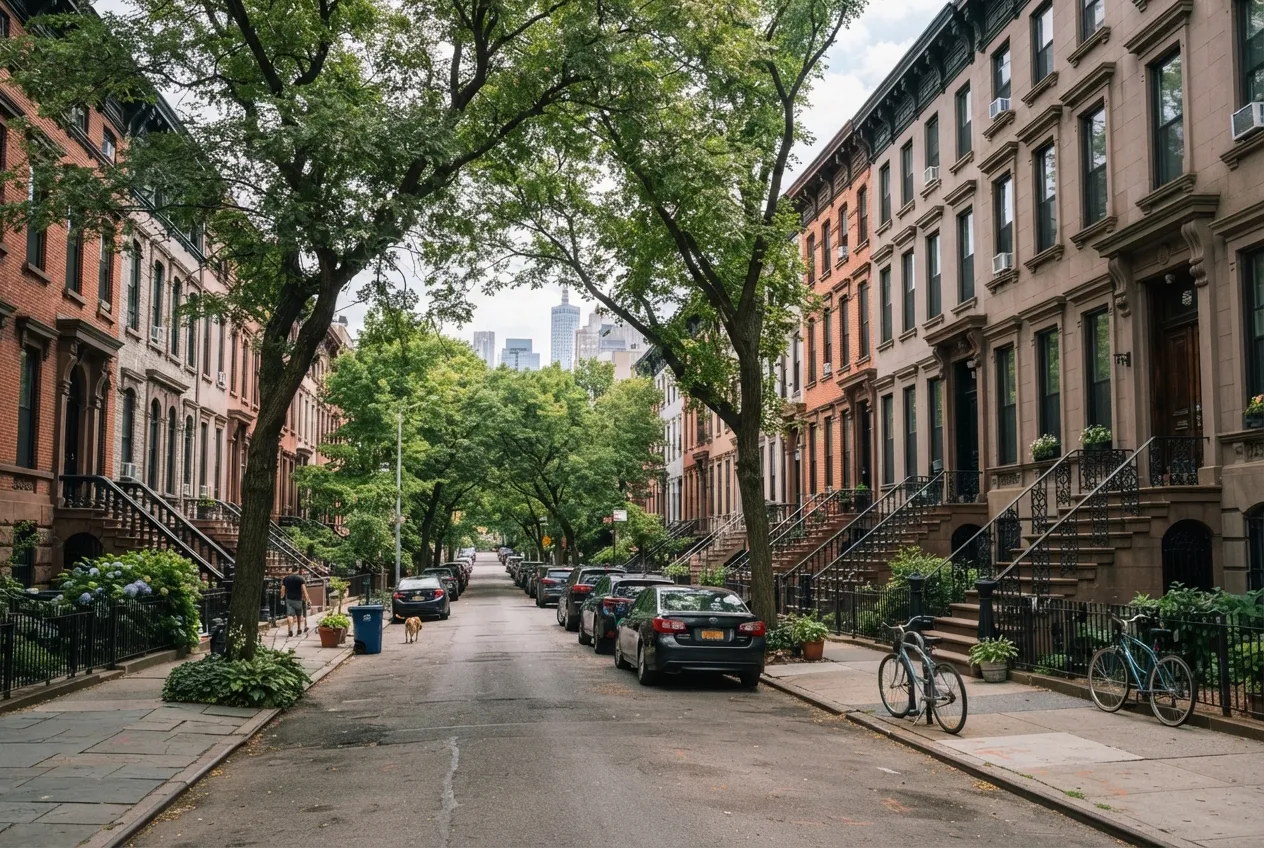
Many Clinton Hill homes were built long before modern boilers, water heaters and gas inserts existed, and their chimneys show it. A flue that worked fine for a coal grate a century ago may now be venting a high-efficiency appliance it was never designed for. EverSafe Chimney Sweep installs chimney liners in Clinton Hill brownstones, rowhouses, pre-war apartment buildings and detached homes. Our office in Fort Greene is about a mile southwest, so we can inspect your flue, explain what we find, and line it to fit the appliance that actually uses it.
Why Older Clinton Hill Chimneys Need Liners
A chimney liner is the protective channel inside the masonry that carries smoke and exhaust out of the house. In many older brownstones and rowhouses, that channel is either clay tile that has cracked and separated over decades, or bare brick with no liner at all. Gaps in a flue let heat reach nearby wood framing and let exhaust, including carbon monoxide, seep into living spaces or into the house next door through a shared wall.
Liner problems usually stay hidden until an inspection. A camera run through the flue shows cracked tiles, missing mortar joints, crumbling brick and buildup that a quick look from the fireplace opening will miss.
Liners and Oil-to-Gas Boiler Conversions
When a New York City building converts its boiler from oil to gas, the chimney has to be evaluated as part of the work. A new liner is often needed because gas exhaust produces acidic condensate that can corrode a masonry flue from the inside. In Clinton Hill, where many homes and small apartment buildings have switched fuels, this is one of the most common reasons we install liners.
We coordinate with your heating contractor so the liner is sized for the new boiler or water heater. An oversized flue cools exhaust too quickly and produces more condensation. An undersized one can push exhaust back into the house.
Choosing the Right Liner for Your Home
There is no single liner that fits every chimney. We recommend a type based on the appliance, the fuel, the shape of the flue and the condition of the masonry.
- Stainless steel liners: the most common choice for gas and oil boilers, water heaters and wood or gas inserts. They are flexible enough to follow offsets in older chimneys.
- Insulated stainless liners: used where clearances to framing are tight or where keeping exhaust warm reduces condensation.
- Cast-in-place liners: a poured lining that can strengthen a deteriorated masonry flue while creating a smooth new passage.
- Clay tile relining: sometimes appropriate for an open wood-burning fireplace when the structure allows it.
What Installation Looks Like
Most liner jobs in Clinton Hill are done from the roof, which in a row of attached houses means working carefully around shared parapets and neighboring chimneys. Inside, we protect floors and furnishings near the fireplace or boiler room. In pre-war apartment buildings, we plan access with the owner or super ahead of time.
- Inspect and photograph the flue, then explain what we found.
- Clean the flue and remove debris or broken tile.
- Measure the flue and confirm the appliance's venting needs.
- Install the liner, connect it to the appliance, and fit a top plate and cap.
- Run a final check and show you the finished work.
Timing Around Heat Season
New York City's heat season runs from October 1 through May 31, and building owners must keep apartments heated to the city's minimum temperatures during that time. If your boiler shares the flue being relined, scheduling the work in late spring or summer avoids leaving tenants or your own household without heat. If a problem turns up mid-winter, we plan the job to keep the boiler down for as short a time as possible.
The NFPA 211 standard calls for chimneys, fireplaces and vents to be inspected once a year. A Level 2 inspection is called for when the system changes, such as a new appliance or a switch of fuel, or when a home is sold, so a liner project is often paired with one.
Serving Clinton Hill and Nearby Neighborhoods
Our certified technicians work throughout Clinton Hill and nearby, including Fort Greene, Prospect Heights, South Williamsburg, Downtown Brooklyn and DUMBO. Whether you own a single brownstone or manage a multi-unit building, we will tell you plainly whether your chimney needs a liner, which type makes sense, and what the work involves before anything starts.
More services in Clinton Hill
- Chimney Sweep in Clinton Hill
- Chimney Inspection in Clinton Hill
- Chimney Repair in Clinton Hill
- Air Duct Cleaning in Clinton Hill