
The short answer
Chimneys in Clinton Hill homes should be inspected once a year, as the NFPA 211 standard calls for, and the inspection level depends on whether anything about the system has changed. A boiler conversion from oil to gas, a home sale, or a suspected hidden problem calls for a more detailed inspection than a routine yearly check.
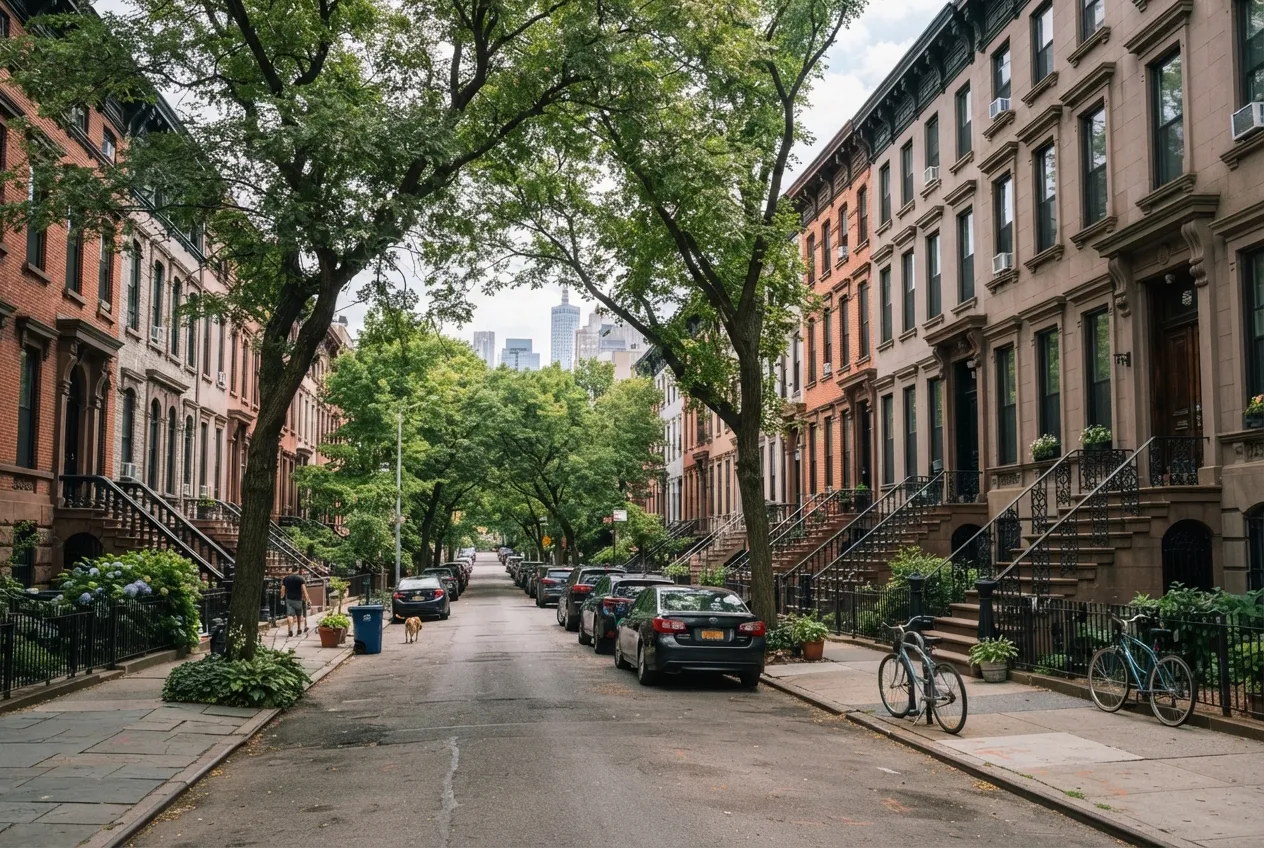
Many homes in Clinton Hill, including brownstones, rowhouses, pre-war apartment buildings and the occasional detached house, have chimneys that have outlasted several heating systems. A flue built for coal or wood may now vent a gas boiler, and a fireplace that sat unused for years may be back in service. Our certified technicians inspect fireplace chimneys, boiler and furnace flues, and vents throughout Clinton Hill, working from our office in Fort Greene about a mile away. An inspection tells you whether the flue is clear, whether the liner is sound, and whether the chimney is safe for the appliance it serves today, not the one it was originally built for.
Why a Yearly Inspection Makes Sense in Clinton Hill
The NFPA 211 standard calls for chimneys, fireplaces and vents to be inspected once a year. In older Brooklyn housing, that yearly look matters. Masonry that has been through many winters can develop cracked flue tiles, loose mortar joints and deteriorated crowns. These problems are often invisible from the street or from inside the room.
Timing also matters. New York City's heat season runs from October 1 through May 31. During those months, owners of apartment buildings have to keep units heated to the city's minimum temperatures. A boiler flue problem found in January is much harder to deal with than one found in late summer. For multi-unit buildings and owner-occupied brownstones with rental floors, scheduling the inspection before October gives you time to plan any repairs before the heat has to stay on.
Choosing the Right Inspection Level
Chimney professionals use three levels of inspection. The right one depends on your home's situation, not on how thorough you would like the visit to feel. We will explain which level fits before any work begins.
- Level 1: For chimneys where nothing has changed since the last inspection. The same appliance, the same fuel, and no known problems. We check the readily accessible parts of the chimney, the firebox or connection, and the flue for blockages and buildup.
- Level 2: For chimneys where the system has changed, such as a new boiler, a new fireplace insert, or a switch from oil to gas. It is also the level used when a home is sold. It looks more closely at the full length of the flue and typically includes a video scan of the flue interior, along with accessible areas such as the attic and roof.
- Level 3: For cases where a hidden hazard is suspected and the only way to reach it is to open part of the chimney or the building. It is reserved for situations where the earlier levels point to a concealed problem.
Oil-to-Gas Conversions and Chimney Liners
Many Brooklyn buildings have moved their boilers from oil to gas. When a New York City building makes that conversion, the chimney has to be evaluated as part of the work. Gas exhaust produces acidic condensate, and that moisture can corrode an unlined or poorly lined masonry flue over time. That is why a new liner is often needed after a conversion.
If your Clinton Hill building has converted recently, or is planning to, a Level 2 inspection shows what condition the existing flue is in. It also tells you whether it can safely serve the new equipment. If a previous conversion was done without a liner, the inspection can spot early signs of condensate damage, such as crumbling mortar, staining, or debris collecting at the base of the flue.
What We Look For in Older Clinton Hill Homes
Brownstones and rowhouses often have several flues running through shared party walls. Some of them were sealed off decades ago. Pre-war apartment buildings usually rely on one large boiler flue. Each setup has its own common trouble spots, and we pay attention to them during every visit.
- Cracked, missing or shifted clay flue tiles
- Creosote and soot buildup in fireplace flues
- Corrosion or debris from boiler and water heater exhaust
- Damaged crowns, caps and flashing on the roof
- Blockages from nests, fallen masonry or debris
- Proper clearances where the chimney passes wood framing
- Connections between appliances and the flue
Scheduling an Inspection in Clinton Hill and Nearby
Because our office is in Fort Greene, Clinton Hill is one of the neighborhoods closest to us. We also inspect chimneys in Fort Greene, Prospect Heights, South Williamsburg, Downtown Brooklyn and DUMBO. After the inspection, you get a plain explanation of what we found. If something needs attention, we tell you what it is and why it matters, so you can decide on next steps with the full picture in front of you.
More services in Clinton Hill
- Chimney Sweep in Clinton Hill
- Chimney Repair in Clinton Hill
- Air Duct Cleaning in Clinton Hill
- Chimney Liner Installation in Clinton Hill