The short answer
Prospect Heights homeowners should have their chimney inspected once a year, as the NFPA 211 standard calls for, and swept whenever soot or creosote has built up. Late summer or early fall is a good time to book, before New York City's heat season begins on October 1.
Many Prospect Heights homes still rely on chimneys built generations ago. Brownstone fireplaces, rowhouse flues that vent a boiler or water heater, and shared chimneys in pre-war apartment buildings all need regular cleaning and a close look. EverSafe Chimney Sweep is based in Fort Greene, about a mile northwest of Prospect Heights, so we work in the neighborhood often. Our certified technicians sweep the flue, check the firebox, damper and liner, and give you a plain account of what we found and what, if anything, needs attention.
Chimney Sweeping for Prospect Heights Brownstones and Rowhouses
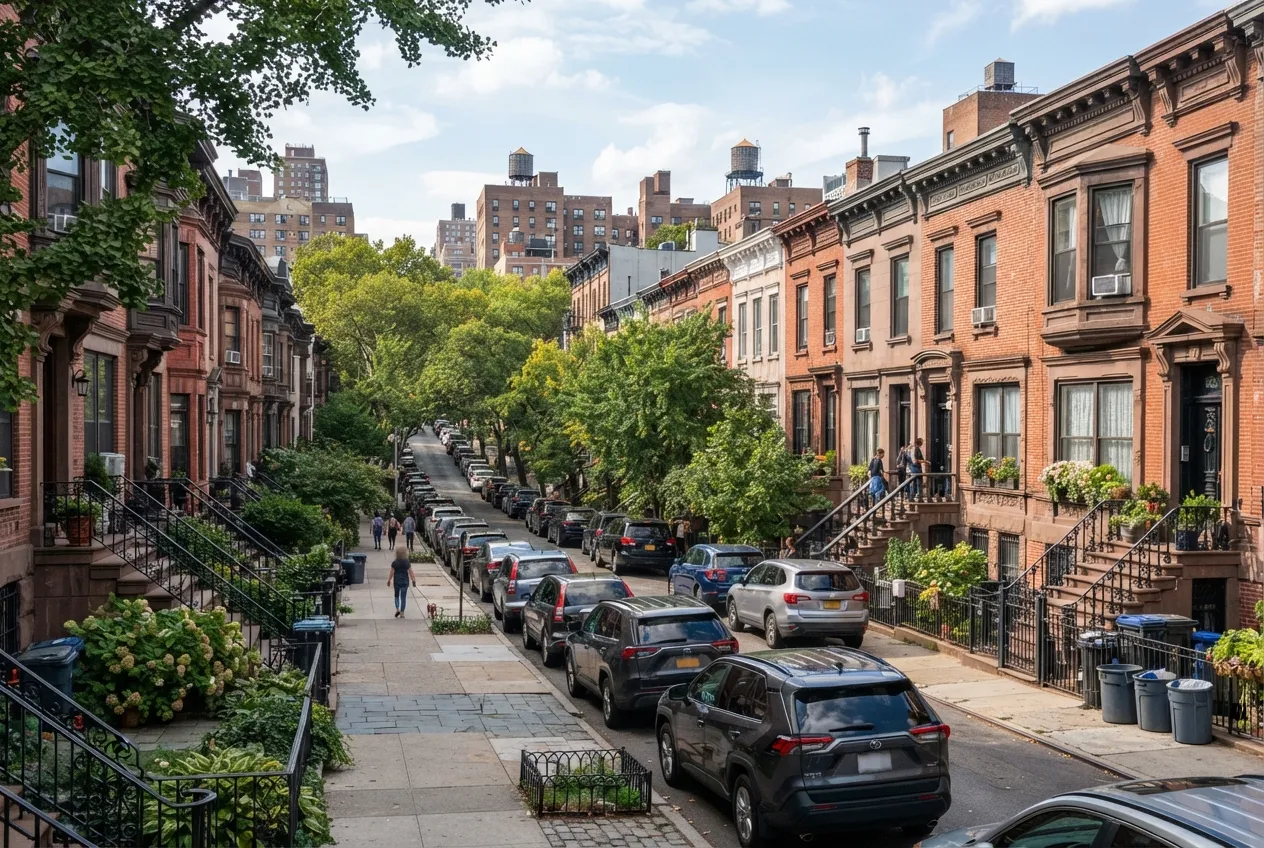
Most of the housing in Prospect Heights is older masonry: brownstones, brick rowhouses and pre-war apartment buildings. These buildings often have more than one flue. One may serve a parlor-floor fireplace, another may vent the boiler, and some flues have been closed off or reused over the years. Before we sweep, we figure out which flue serves which appliance so the right one gets cleaned and nothing is missed.
Older masonry flues may be unlined or have clay tile liners with cracks or gaps. Soot and creosote collect in those rough spots, and debris such as fallen mortar, leaves or nesting material can block the flue. A sweep clears that buildup, and the inspection that comes with it shows whether the liner is still doing its job.
When to Schedule Your Chimney Sweep
The NFPA 211 standard calls for chimneys, fireplaces and vents to be inspected once a year. A yearly inspection tells you whether the chimney actually needs sweeping. A fireplace you use most winter weekends will build up creosote faster than one you light a few times a season.
Timing matters in New York City. Heat season runs from October 1 through May 31, and buildings must keep apartments heated to the city's minimum temperatures during that period. If your chimney vents a boiler that heats tenants or your own home, it makes sense to have the flue cleaned and checked before October, when it is easier to fix a problem without leaving anyone cold.
What Happens During a Sweep Visit
We set up drop cloths and seal off the fireplace opening before any brushing starts, which matters in homes with original woodwork and finished floors. Most visits follow the same basic steps:
- Confirm which flue serves each fireplace or appliance
- Brush the flue and remove soot, creosote and debris
- Clean the smoke chamber, smoke shelf and firebox
- Check that the damper opens, closes and seals
- Look at the chimney cap, crown and visible masonry for damage
- Explain what we found, with photos when they help
Inspection Levels and Oil-to-Gas Conversions
Chimney professionals use three inspection levels. A Level 1 inspection fits most yearly visits when nothing about the system has changed. A Level 2 inspection is used when the system changes, such as a new appliance or a switch from one fuel to another, and when a home is sold. A Level 3 inspection is reserved for cases where a hidden hazard can only be reached by opening part of the chimney or building.
Many older Brooklyn buildings have converted their boilers from oil to gas. When a New York City building makes that switch, the chimney has to be evaluated as part of the work. A new liner is often needed, because gas exhaust produces acidic condensate that can corrode a masonry flue. If you are planning a conversion, or have already done one and never had the flue checked, ask us about an inspection.
Signs Your Chimney Needs Attention
Do not wait for the yearly visit if you notice any of the following:
- A strong smoky or musty smell from the fireplace, especially in humid weather
- Smoke backing up into the room when you light a fire
- Black, flaky or tar-like buildup on the damper or inside the flue
- Bits of tile, brick or mortar falling into the firebox
- Water stains on the walls or ceiling near the chimney
- Sounds of birds or animals inside the flue
Serving Prospect Heights and Nearby Neighborhoods
Because our office is in Fort Greene, Prospect Heights is close to home for our crews. We also sweep and inspect chimneys in Park Slope, Clinton Hill, Fort Greene, Downtown Brooklyn and DUMBO, where many homes share the same kinds of masonry chimneys and older heating systems. Whether you own a single brownstone or manage a small apartment building, we can schedule a visit that fits around your household or your tenants.
More services in Prospect Heights
- Chimney Inspection in Prospect Heights
- Chimney Repair in Prospect Heights
- Air Duct Cleaning in Prospect Heights
- Chimney Liner Installation in Prospect Heights