
The short answer
Most chimney repairs in Prospect Heights involve water damage to brick and mortar, failed crowns or flashing, and flue liners that need replacing, especially after a boiler is converted from oil to gas. EverSafe Chimney Sweep's certified technicians inspect the chimney first, then repair the masonry, crown, flashing, cap or liner that is causing the problem.
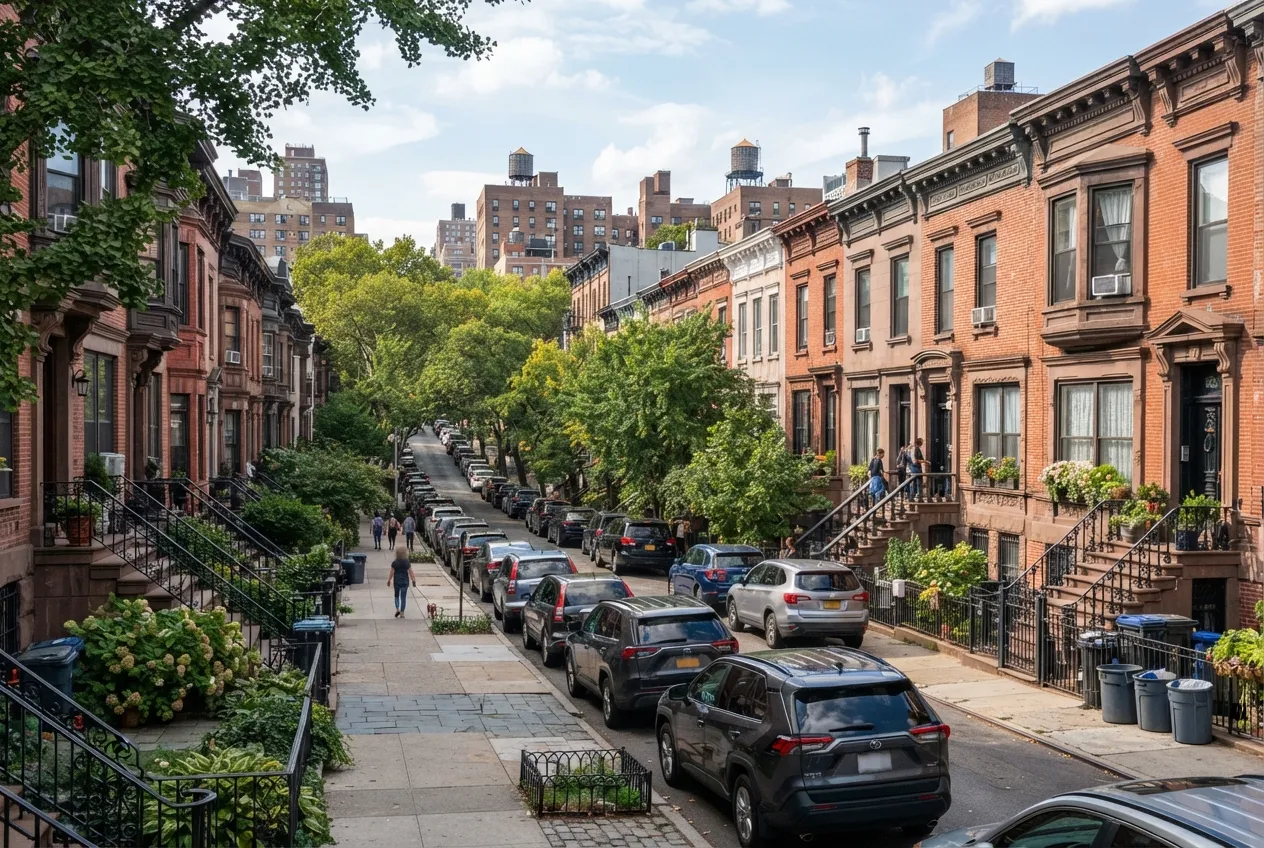
Prospect Heights has a large share of older masonry homes, including brownstones, brick rowhouses and pre-war apartment buildings. Many of their chimneys have taken decades of freeze-thaw cycles, rooftop water and changes in heating equipment. EverSafe Chimney Sweep repairs chimneys in Prospect Heights from our office in Fort Greene, about a mile northwest. We start with an inspection so we know what is actually wrong. Then we explain the repair options in plain terms and fix the problem at its source rather than covering it up.
Common chimney problems in Prospect Heights homes
Most chimneys in the neighborhood are brick and rise from flat roofs shared along a row of attached houses. That setup leaves the top of the chimney exposed to wind and standing water. Over time, water gets into the mortar joints, freezes and pushes the brick apart. The damage usually shows up first at the crown and in the upper courses of brick, and it often leaks into the top-floor ceiling before anyone notices anything on the roof.
Inside the chimney, older clay tile liners can crack or shift. Some flues were built with no liner at all. In multi-unit buildings, a single chimney may serve a boiler and a water heater, so the liner has to suit the appliances it actually vents.
- Cracked or crumbling chimney crowns
- Loose, missing or eroded mortar joints
- Spalling brick, where the face of the brick flakes or pops off
- Leaking flashing where the chimney meets the roof
- Missing or rusted chimney caps that let in rain and animals
- Cracked, deteriorated or missing flue liners
- Damaged or stuck dampers on fireplace chimneys
How we approach a chimney repair
Every repair starts with an inspection. The NFPA 211 standard calls for chimneys, fireplaces and vents to be inspected once a year. It describes three levels of inspection. A Level 1 inspection fits a chimney where nothing has changed. A Level 2 inspection is used when the system changes, such as a new appliance or a switch of fuel, or when the home is being sold. A Level 3 inspection is reserved for hidden hazards that can only be reached by opening part of the chimney or the building.
After the inspection, we show you what we found, including photos where we can take them. We explain which repairs deal with safety or active leaks and which can be planned for later. Masonry work is done with mortar suited to older brick, because mortar that is too hard can trap moisture and damage the brick around it. Crown repairs, flashing, caps and liners are matched to your chimney's size and to the appliances it serves.
Oil-to-gas conversions and flue liners
Many buildings in Prospect Heights have moved, or are moving, from oil boilers to gas. When a New York City building converts its boiler from oil to gas, the chimney has to be evaluated as part of the work. A new liner is often needed because gas exhaust produces acidic condensate, and that condensate can corrode a masonry flue from the inside.
If you are planning a conversion, it helps to bring us in early. We can inspect the existing flue, tell you whether a liner is likely to be needed, and coordinate with your heating contractor so the chimney work doesn't hold up the boiler installation.
Timing repairs around the heating season
New York City's heat season runs from October 1 through May 31. During those months, building owners must keep apartments heated to the city's minimum temperatures. A chimney that has to be taken out of service for a liner or major masonry repair in mid-winter can leave a building owner in a hard spot.
For owners of rowhouses and small apartment buildings, late spring and summer are usually the easiest times for larger chimney repairs. Leaks and safety problems shouldn't wait, though. If you see water damage, smell exhaust, or notice brick falling from the chimney, call us as soon as you can.
Serving Prospect Heights and nearby neighborhoods
Because we are based in Fort Greene, Prospect Heights is close to home for our crews. We also repair chimneys in nearby Park Slope, Clinton Hill, Fort Greene, Downtown Brooklyn and DUMBO, where many homes have similar brick chimneys and similar problems.
More services in Prospect Heights
- Chimney Sweep in Prospect Heights
- Chimney Inspection in Prospect Heights
- Air Duct Cleaning in Prospect Heights
- Chimney Liner Installation in Prospect Heights