
The short answer
A chimney liner is often needed in Prospect Heights when an old masonry flue is cracked, unlined, or wrong for a new boiler, furnace, water heater or fireplace insert. EverSafe's certified technicians inspect the flue, match the liner to the fuel and appliance, and install it so exhaust vents safely.
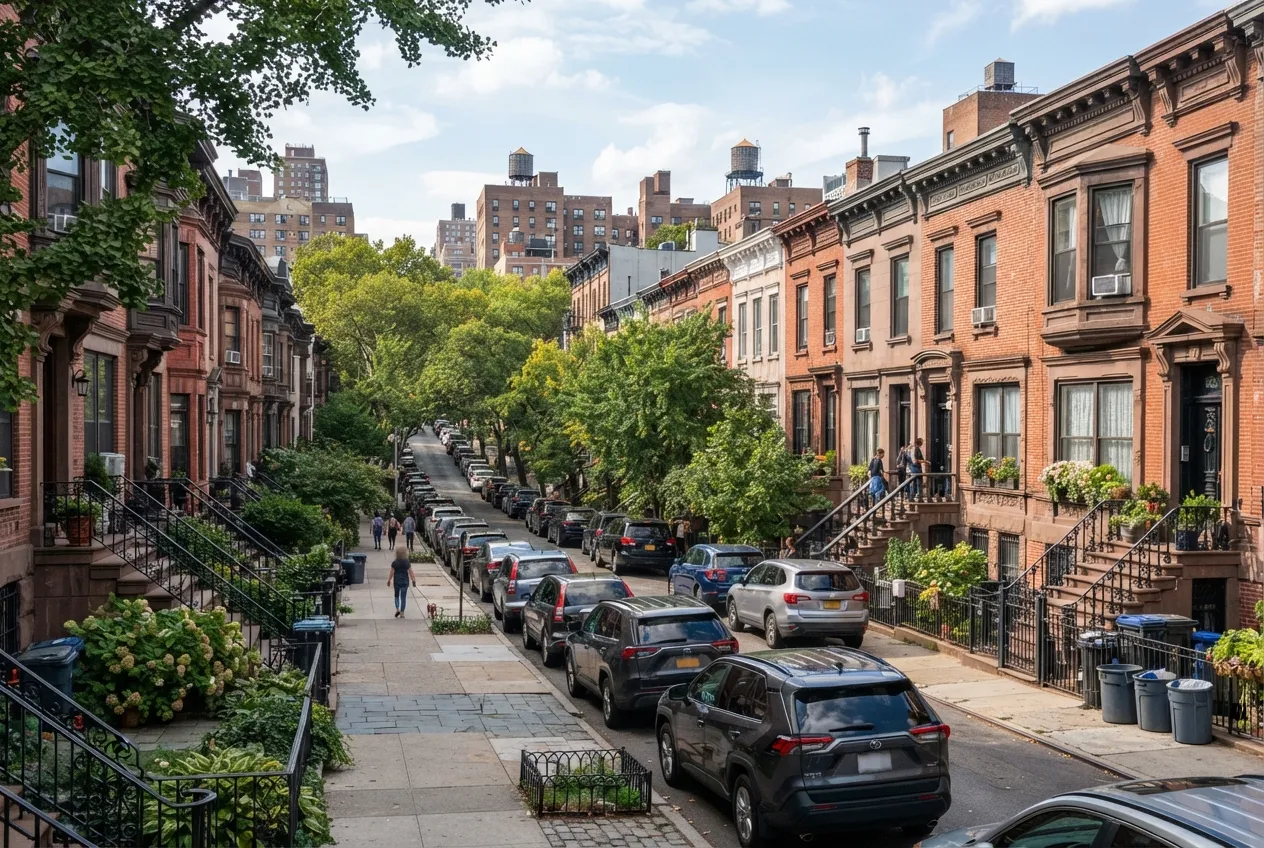
Many homes in Prospect Heights were built long before modern heating appliances. Behind the brick of a brownstone, rowhouse or pre-war apartment building, the flue may be unlined, lined with clay tiles that have cracked over decades, or sized for a coal or oil system that no longer exists. EverSafe Chimney Sweep installs chimney liners for Prospect Heights homeowners and building owners. Our base in Fort Greene is about a mile away. A properly sized liner protects the masonry, helps exhaust leave the house, and keeps heat and combustion gases away from wood framing hidden inside old walls.
Why older Prospect Heights chimneys often need a new liner
Brownstones and rowhouses in this part of Brooklyn usually share party walls. Their chimneys often run several stories through the middle of the building. Over many years, heat cycles, moisture and acidic exhaust wear down clay flue tiles and the mortar between them. Some older chimneys were never lined at all. The result can be gaps that let exhaust, heat or moisture reach brick, plaster and framing where you can't see them.
Signs that a liner may be failing include flaking tile or mortar collecting at the base of the flue, water staining or a damp smell near the chimney, white or brown streaks on the exterior brick, and an appliance that backdrafts or struggles to vent. None of these confirm the problem on their own. A camera inspection of the flue gives a clearer answer.
Oil-to-gas conversions and new appliances
Many Brooklyn buildings have switched or are planning to switch from oil heat to gas. When a New York City building converts its boiler from oil to gas, the chimney has to be evaluated as part of the work. A new liner is often needed because gas exhaust produces acidic condensate that can corrode a masonry flue.
The same question comes up when you replace a boiler, add a high-efficiency water heater, or install a wood or gas fireplace insert. The NFPA 211 standard calls for chimneys, fireplaces and vents to be inspected once a year. It describes a Level 2 inspection for times when the system changes, such as a new appliance or a fuel switch, or when a home is sold. A Level 3 inspection is used when a hidden hazard can only be reached by opening part of the chimney or building. We start with the inspection level that fits your situation. Then we recommend whether relining makes sense.
Matching the liner to your fuel and appliance
There is no single liner that suits every chimney. The right choice depends on what the flue serves, the size of the appliance's vent connection, and the shape and condition of the existing masonry. Common approaches include:
- Stainless steel liners, flexible or rigid, for gas, oil and wood-burning appliances, sized to the appliance's venting needs
- Insulated stainless liners where extra clearance protection or better draft is needed in a cold or oversized flue
- Cast-in-place liners that form a new insulated flue inside a damaged masonry chimney
- Separate liners when one chimney must serve more than one appliance, where the appliances and space allow it
How a liner installation works
Our certified technicians follow a straightforward sequence. We explain each step before work begins:
- Inspect the flue with a camera and note cracks, gaps, offsets and obstructions
- Measure the flue and confirm the size the appliance requires
- Clean the chimney and remove debris or loose tile that would block the new liner
- Install the liner from the roof, connecting it to the appliance and securing it at the top
- Add a cap to keep out rain, debris and animals
- Check draft and venting with the appliance running
Planning around the heating season
New York City's heat season runs from October 1 through May 31. During those months, building owners must keep apartments heated to the city's minimum temperatures. If you own a multi-unit building or rent out a floor of your brownstone, a liner job that shuts down the boiler needs careful timing. Scheduling the inspection and installation in late spring or summer gives you room to plan. You also avoid working around tenants who need heat.
Serving Prospect Heights and nearby neighborhoods
Along with Prospect Heights, we install chimney liners in Park Slope, Clinton Hill, Fort Greene, Downtown Brooklyn and DUMBO. Housing across these neighborhoods is similar, with brownstones, rowhouses and pre-war buildings. Many of their chimneys raise the same issues of age, shared walls and changing heating systems.
More services in Prospect Heights
- Chimney Sweep in Prospect Heights
- Chimney Inspection in Prospect Heights
- Chimney Repair in Prospect Heights
- Air Duct Cleaning in Prospect Heights