The short answer
The NFPA 211 standard calls for chimneys, fireplaces and vents to be inspected once a year, and that applies to Prospect Heights brownstones, rowhouses and apartment buildings. A Level 1 inspection covers routine years, a Level 2 is needed when you buy a home or change your heating system, and a Level 3 is reserved for hidden problems that require opening part of the structure.
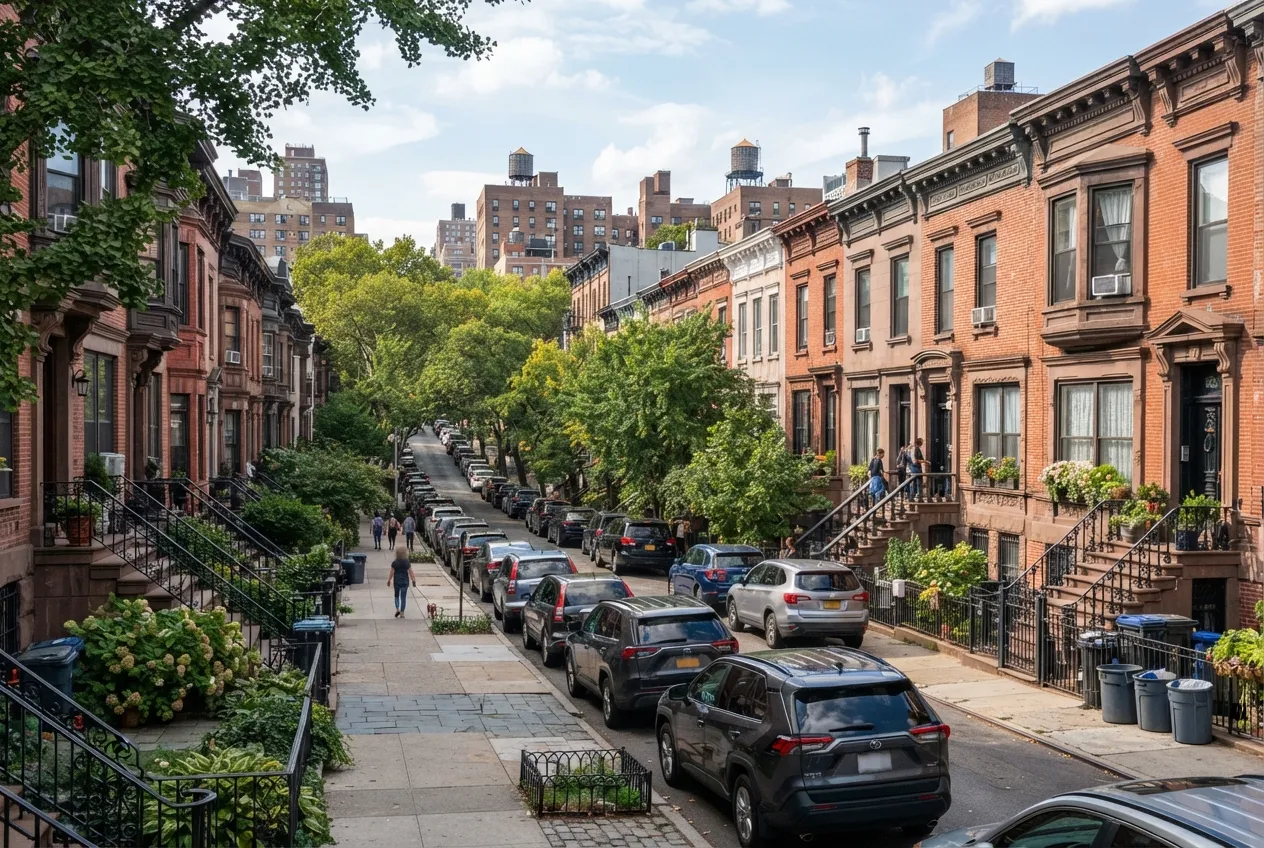
Prospect Heights homes put a lot of demand on their chimneys. Many brownstones and rowhouses still have original masonry flues, some with fireplaces that sat unused for decades before a renovation brought them back. Pre-war apartment buildings often vent a boiler through a tall shared chimney that has outlasted several heating systems. EverSafe Chimney Sweep is based in Fort Greene, about a mile northwest of Prospect Heights, so we can usually schedule an inspection quickly. Our certified technicians check the flue, the masonry, the connections and the clearances, then tell you plainly what we found and what, if anything, needs attention.
Why Prospect Heights Chimneys Need a Yearly Check
Most chimneys in Prospect Heights were built long before modern liners and gas boilers. Old clay tile and unlined brick flues can crack, shed mortar or develop gaps that let heat and exhaust reach the framing around them. You often can't see any of this from inside the house, and a fireplace that seems to draw fine can still have a damaged flue.
The NFPA 211 standard calls for chimneys, fireplaces and vents to be inspected once a year. That covers wood-burning fireplaces and the flues that serve gas and oil heating equipment. In attached homes, a chimney problem can also affect the neighbors, because rowhouse chimneys often share party walls and sit close to adjoining flues.
Which Inspection Level Your Home Needs
Chimney professionals use three inspection levels. We'll recommend the one that fits your situation and explain why.
- Level 1: For a chimney that hasn't changed since its last inspection. We examine the accessible parts of the chimney exterior, interior and connected appliance, and confirm the flue is clear of blockages and buildup.
- Level 2: Required when the system changes, such as a new boiler or stove, or a switch from oil to gas. It is also required when a home is sold. It adds a camera inspection of the flue interior and a look at accessible attics, crawl spaces and basements.
- Level 3: Used only when a serious hidden hazard is suspected and the only way to reach it is to open part of the chimney or the surrounding wall. We discuss this with you before any work begins.
Oil-to-Gas Conversions and Boiler Chimneys
Plenty of Prospect Heights brownstones and pre-war buildings have moved, or are planning to move, from oil heat to gas. When a New York City building converts its boiler from oil to gas, the chimney has to be evaluated as part of the work. A new liner is often needed, because gas exhaust produces acidic condensate that can corrode a masonry flue originally built for oil.
Because this is a change to the heating system, it calls for a Level 2 inspection. We document the flue's size and condition so you and your heating contractor know whether the existing chimney can serve the new equipment or needs to be relined.
Timing Around the Heat Season
New York City's heat season runs from October 1 through May 31. During those months, building owners must keep apartments heated to the city's minimum temperatures. A boiler chimney problem found in January can leave tenants without heat while repairs are arranged.
For that reason, we suggest booking boiler and fireplace inspections in late spring or summer, after the heat season ends and before demand picks up in the fall. That leaves time to plan any repairs or relining without pressure. Homeowners who use a fireplace on cold evenings benefit from the same timing.
What to Expect on Inspection Day
We protect the floor around the fireplace or appliance, then work through the system from the firebox or connector up through the flue to the crown and cap. On flat-roofed rowhouses and apartment buildings, we check the roof-level masonry, flashing and cap where access allows.
Afterward, we walk you through what we saw, including photos or camera footage when we take them. If we find nothing wrong, we'll tell you so. If something needs repair, we'll explain what it is, why it matters and how soon it should be handled. We serve Prospect Heights along with Park Slope, Clinton Hill, Fort Greene, Downtown Brooklyn and DUMBO.
More services in Prospect Heights
- Chimney Sweep in Prospect Heights
- Chimney Repair in Prospect Heights
- Air Duct Cleaning in Prospect Heights
- Chimney Liner Installation in Prospect Heights