
The short answer
If your Park Slope chimney has a cracked or missing liner, or you are converting a boiler from oil to gas, you will likely need a new liner sized to the appliance it serves. We start with an inspection of the flue, then recommend and install the liner that fits your chimney and heating equipment.
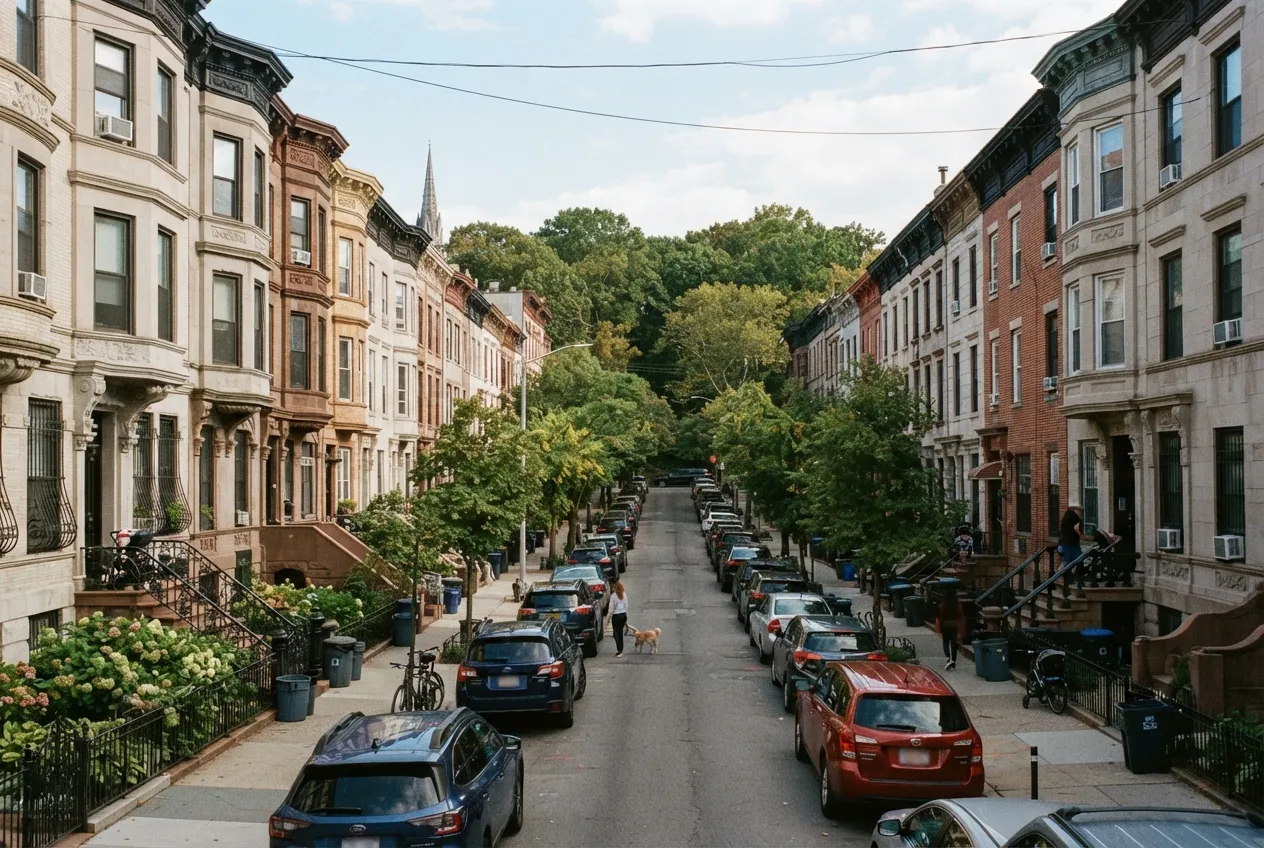
Many Park Slope homes are brownstones, rowhouses, and pre-war apartment buildings with masonry chimneys built long before today's boilers, furnaces, and water heaters. Those flues were often lined with clay tile, or not lined at all, and decades of heat, moisture, and exhaust take a toll. A properly sized liner protects the masonry, helps the appliance vent the way it was designed to, and keeps combustion gases inside the flue instead of seeping into walls or neighboring spaces. EverSafe Chimney Sweep installs chimney liners throughout Park Slope (11217) from our office in Fort Greene, about a mile northeast.
Why Park Slope Chimneys Often Need a New Liner
Older Brooklyn masonry chimneys share a few common problems. Clay tile liners can crack or shift, and mortar joints between tiles wear away over time. Some flues have no liner at all, so exhaust sits directly against brick. In attached rowhouses and brownstones, a chimney stack may hold several flues side by side, which makes it important to know exactly which flue serves which appliance and what condition each one is in.
Moisture is the other major factor. Exhaust carries water vapor, and when it cools inside an oversized or damaged flue it can soak into the masonry. Signs to watch for include crumbling brick or mortar near the top of the chimney, stains or peeling paint on walls next to the chimney, pieces of tile at the base of the flue, and an appliance that seems to vent poorly.
Oil-to-Gas Conversions and Chimney Liners
When a New York City building converts its boiler from oil to gas, the chimney has to be evaluated as part of the work. A new liner is often needed because gas exhaust produces acidic condensate that can corrode a masonry flue. A chimney that served an oil boiler well for years may not be suitable for gas without one.
A change like this is also when a Level 2 inspection applies. The NFPA 211 standard calls for chimneys to be inspected once a year, and the more detailed Level 2 inspection is used when the system changes, such as a new appliance or a switch of fuel, or when a home is sold. We can work alongside your heating contractor so the liner is sized and connected to match the new equipment.
How We Install a Chimney Liner
Every chimney is different, so the job begins by looking at what is actually inside the flue. From there, our certified technicians follow a clear sequence:
- Inspect the flue with a camera to check its condition, size, and any blockages or offsets
- Confirm which appliance or appliances the flue serves and their venting requirements
- Clean the flue so the liner goes into a clear passage
- Size the liner to the appliance rather than simply to the opening of the chimney
- Install the liner from top to bottom and connect it securely to the appliance
- Fit a top plate and cap to keep out rain, debris, and animals
- Check the draft and walk you through what was done
Choosing the Right Liner for Your Home
Stainless steel is the most common choice for gas and oil appliances in Brooklyn homes. Flexible stainless liners can follow slight bends in older masonry flues, while rigid sections work well in straight runs. The right diameter matters: a liner that is too large can let exhaust cool and condense, and one that is too small can restrict venting.
For wood-burning fireplaces, the options and sizing are different, and the fireplace opening plays a role. We explain the choices that fit your chimney, appliance, and plans for the space before any work begins.
Planning Around Heat Season
New York City's heat season runs from October 1 through May 31, when building owners must keep apartments heated to the city's minimum temperatures. If you own a multi-unit building in Park Slope, scheduling a liner installation or oil-to-gas conversion in the warmer months gives you more room to finish the work without pressure on tenants' heat.
Beyond Park Slope, we also install chimney liners in Prospect Heights, Carroll Gardens, Cobble Hill, Gowanus, and Fort Greene.
More services in Park Slope
- Chimney Sweep in Park Slope
- Chimney Inspection in Park Slope
- Chimney Repair in Park Slope
- Air Duct Cleaning in Park Slope