
The short answer
Park Slope homes need air duct cleaning when there is visible mold, signs of pests, or heavy dust and debris, often after a renovation. EverSafe's certified technicians inspect first, then clean the whole system with HEPA-filtered negative-pressure equipment, and they tell you plainly if cleaning isn't needed.
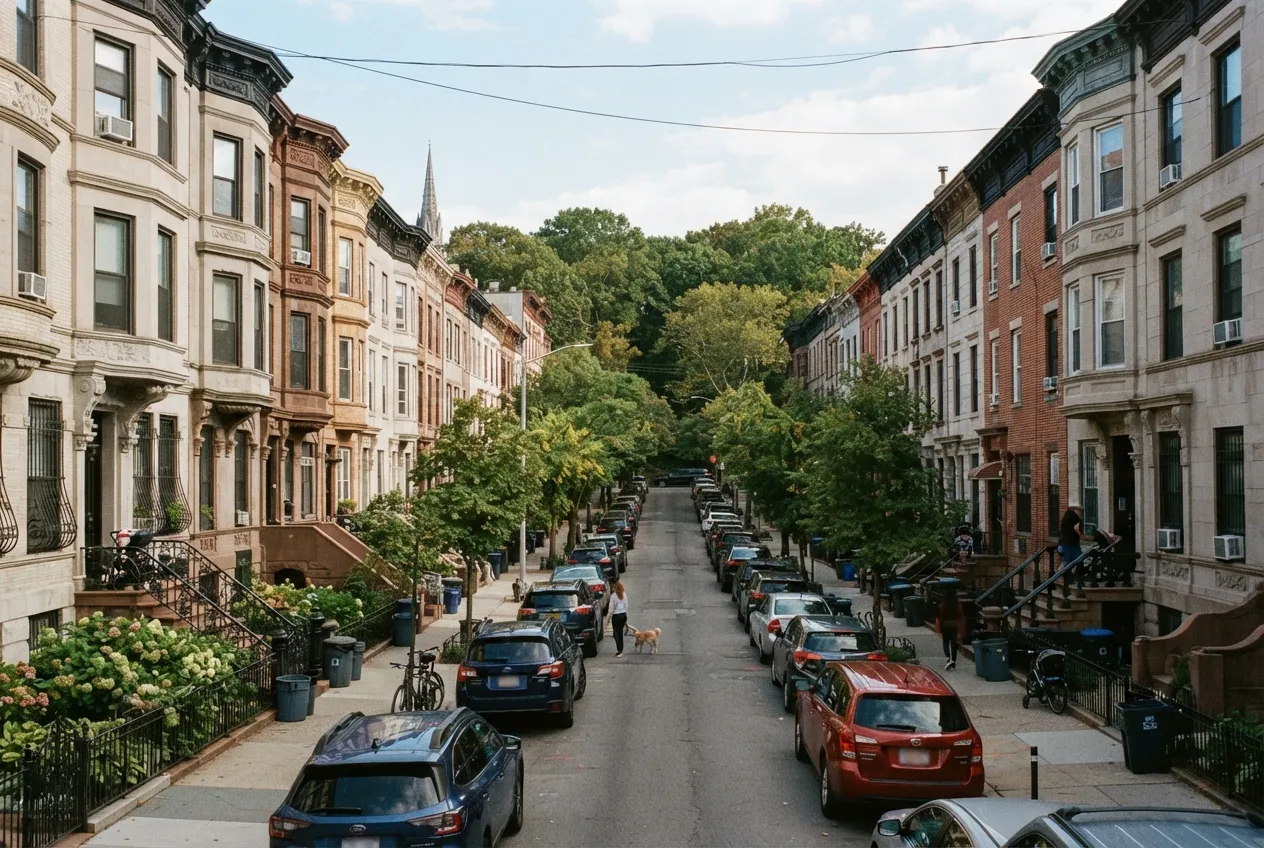
Park Slope's brownstones, rowhouses and pre-war apartment buildings were built long before central air. Most forced-air systems here were added later, during a renovation or a floor-by-floor gut, and the ductwork had to fit wherever there was room: inside closets, above dropped soffits, through cellar ceilings and up into top-floor crawl spaces. Those hidden runs collect construction dust, debris and sometimes pests. Our certified technicians clean air ducts in Park Slope homes from our base in Fort Greene, about a mile away. We start by telling you honestly whether your system needs cleaning at all.
When Air Duct Cleaning Is Worth Doing
Not every home needs duct cleaning on a schedule. The U.S. EPA advises cleaning air ducts when there is substantial visible mold growth, signs of vermin, or excessive dust and debris. The EPA also says duct cleaning has not been shown to prevent health problems, so we don't sell it as a cure for allergies or illness.
In Park Slope homes, these situations most often call for cleaning:
- Plaster and drywall dust left in the ducts after a renovation
- Visible mold on registers, inside supply ducts, or around the air handler
- Signs of mice or insects in cellar or attic duct runs
- Registers that puff dust when the system starts
- Moving into a home where the system's history is unknown
Ductwork in Brownstones and Pre-War Buildings
Older Park Slope homes weren't designed around ducts, so the systems we see vary a lot. Some brownstones have a cellar furnace with a short trunk line feeding the parlor floor. Others have one air handler in the cellar and another on the top floor or in the attic, each serving half the house. Many renovated homes use small-diameter high-velocity systems that fit between joists and behind plaster. Apartments in pre-war buildings may have a unit-level air handler tucked into a closet.
Each setup needs a different approach. Long horizontal runs under floors trap heavier debris. Flexible duct can tear if it's handled roughly. High-velocity tubing needs equipment sized for it. We check how your system is laid out before we bring in any tools.
How We Clean Your Ducts
A proper cleaning covers the whole system, not just the vents you can reach. Here is how we do it:
We don't apply sanitizers, sealants or other chemical treatments as a routine add-on. The EPA urges caution with these products. We only discuss them if there's a specific reason, and only after you understand what would be used. The EPA also warns homeowners to research the process before responding to very cheap advertised duct cleaning offers. Ask any company what equipment it uses and which parts of the system it will clean.
- Inspect the air handler, supply and return ducts, and registers, using a camera wherever there is access
- Protect floors, furniture and finished surfaces along our path through the house
- Put the system under negative pressure with a HEPA-filtered vacuum, so loosened debris is pulled out instead of blown into your rooms
- Loosen buildup from duct walls with brushes and air tools sized for each run
- Clean registers, grilles and the return side, and check the blower and coil area for buildup
- Show you before-and-after images and recommend a filter change
Scheduling Around Brooklyn's Heating Season
New York City's heat season runs from October 1 through May 31. If your home heats with forced air, late summer or early fall is a good time for cleaning, before the system runs every day. If you use your ducts mainly for cooling, spring works well. In apartment buildings, we can coordinate with management when we need access to shared spaces like cellars or roof areas.
Don't Forget the Dryer Vent
Many Park Slope laundry setups vent through long or awkward runs, out a back wall or up through the building. According to the U.S. Fire Administration, failure to clean is the leading factor contributing to clothes dryer fires in homes. If we're already cleaning your ducts, we can check your dryer vent during the same visit.
Serving Park Slope and Nearby Neighborhoods
We work throughout Park Slope, including the 11217 ZIP code, and in nearby Prospect Heights, Gowanus, Carroll Gardens, Cobble Hill and Fort Greene. Because we're close by, follow-up visits are easy to schedule if we find a problem that needs attention after the cleaning, such as a damaged duct section or a pest entry point.
More services in Park Slope
- Chimney Sweep in Park Slope
- Chimney Inspection in Park Slope
- Chimney Repair in Park Slope
- Chimney Liner Installation in Park Slope