The short answer
Park Slope chimneys should be inspected once a year, as the NFPA 211 standard calls for. A Level 1 inspection fits a chimney with no changes, while a Level 2 is needed after a fuel switch such as an oil-to-gas conversion, a new appliance, or a home sale.
Many Park Slope homes were built with working fireplaces and masonry chimneys, and many of those flues have since been relined, sealed up, reopened or connected to new heating equipment. A chimney inspection tells you what condition yours is in today and whether it is safe for the way you use it. EverSafe Chimney Sweep is based in Fort Greene, about a mile northeast of Park Slope, so homes in the 11217 ZIP code are close by for our certified technicians. Here is what an inspection covers and how to tell which level you need.
Why Park Slope Chimneys Need a Closer Look
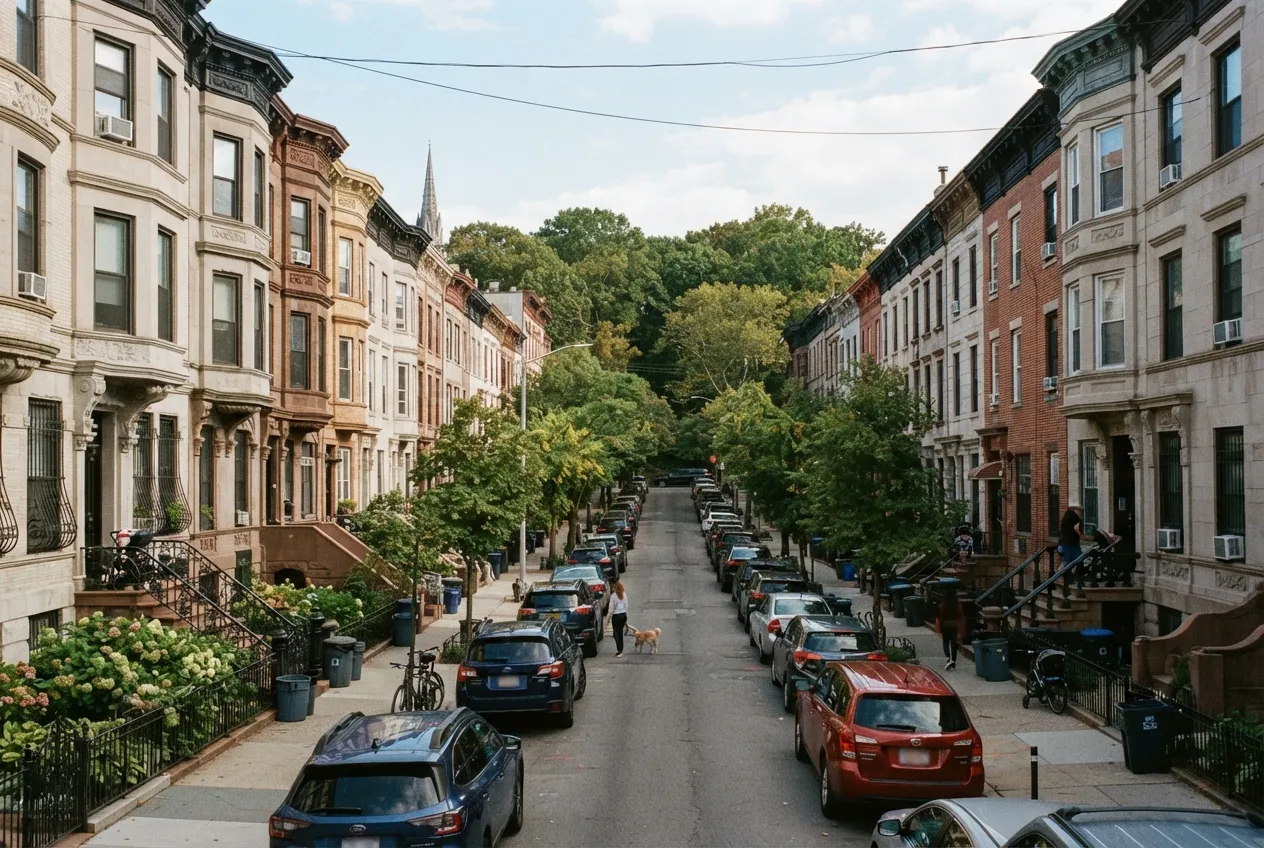
Brownstones and rowhouses in the neighborhood often share party walls, and their chimneys run up through several floors before reaching the roof. Over the years, a fireplace may have been closed off on one floor and left open on another, or a flue may have been put back into service after sitting unused for a long time. Pre-war apartment buildings bring their own mix, often a central boiler flue alongside individual fireplaces in some units.
Masonry in older chimneys can crack, mortar joints can wear, and clay liners can break in places you can't see from the hearth. Water can get in at the crown or the roof flashing. None of this is obvious from the living room, which is why the NFPA 211 standard calls for chimneys, fireplaces and vents to be inspected once a year.
The Three Inspection Levels
Chimney professionals use three levels of inspection. The right one depends on what has changed with your home or heating system.
We start with the least invasive level that answers your questions, and we explain clearly if we see a reason to go further.
- Level 1: For a chimney in regular use with nothing changed. We check the readily accessible parts of the chimney interior and exterior, the firebox, the damper and the connections for soundness, blockages and buildup.
- Level 2: Needed when the system changes, such as a new appliance or a switch of fuel, or when the home is sold. It adds a camera look inside the flue and a check of accessible areas like the attic, basement and roof.
- Level 3: Used when a hidden hazard has to be reached by opening part of the chimney or the building, such as a wall or chase.
Converting From Oil to Gas
Many Brooklyn buildings have moved their boilers from oil to gas. When a New York City building makes that conversion, the chimney has to be evaluated as part of the work. Gas exhaust produces acidic condensate that can corrode a masonry flue, so a new liner is often needed.
A Level 2 inspection gives you and your heating contractor a clear picture of the flue before the new equipment goes in. We document the liner condition, the flue size and any damage, so decisions about relining are based on what is actually inside the chimney.
Timing Your Inspection Around Heat Season
New York City's heat season runs from October 1 through May 31, when building owners must keep apartments heated to the city's minimum temperatures. For owners of multi-family rowhouses and small apartment buildings, a boiler flue problem found in January is much harder to handle than one found in August.
Late spring and summer are good times to book. You have room to schedule sweeping, repairs or relining before the boiler and fireplaces see heavy use. If you burn wood, plan your inspection before the first fire of the season.
What You Get After the Inspection
After the visit, we walk you through what we found in plain language. You get a written report describing the condition of the chimney and noting any recommended cleaning or repairs, with photos where the camera captured them. If the chimney is in good shape, we tell you so. If it needs work, we explain what is urgent and what can wait.
Along with Park Slope, we inspect chimneys in nearby Prospect Heights, Carroll Gardens, Cobble Hill, Gowanus and Fort Greene.
More services in Park Slope
- Chimney Sweep in Park Slope
- Chimney Repair in Park Slope
- Air Duct Cleaning in Park Slope
- Chimney Liner Installation in Park Slope