
The short answer
A chimney sweep removes creosote, soot and debris from your flue so smoke and exhaust can leave the house safely. The NFPA 211 standard calls for a yearly inspection, and in Downtown Brooklyn the best time to book is before the city's heat season starts on October 1.
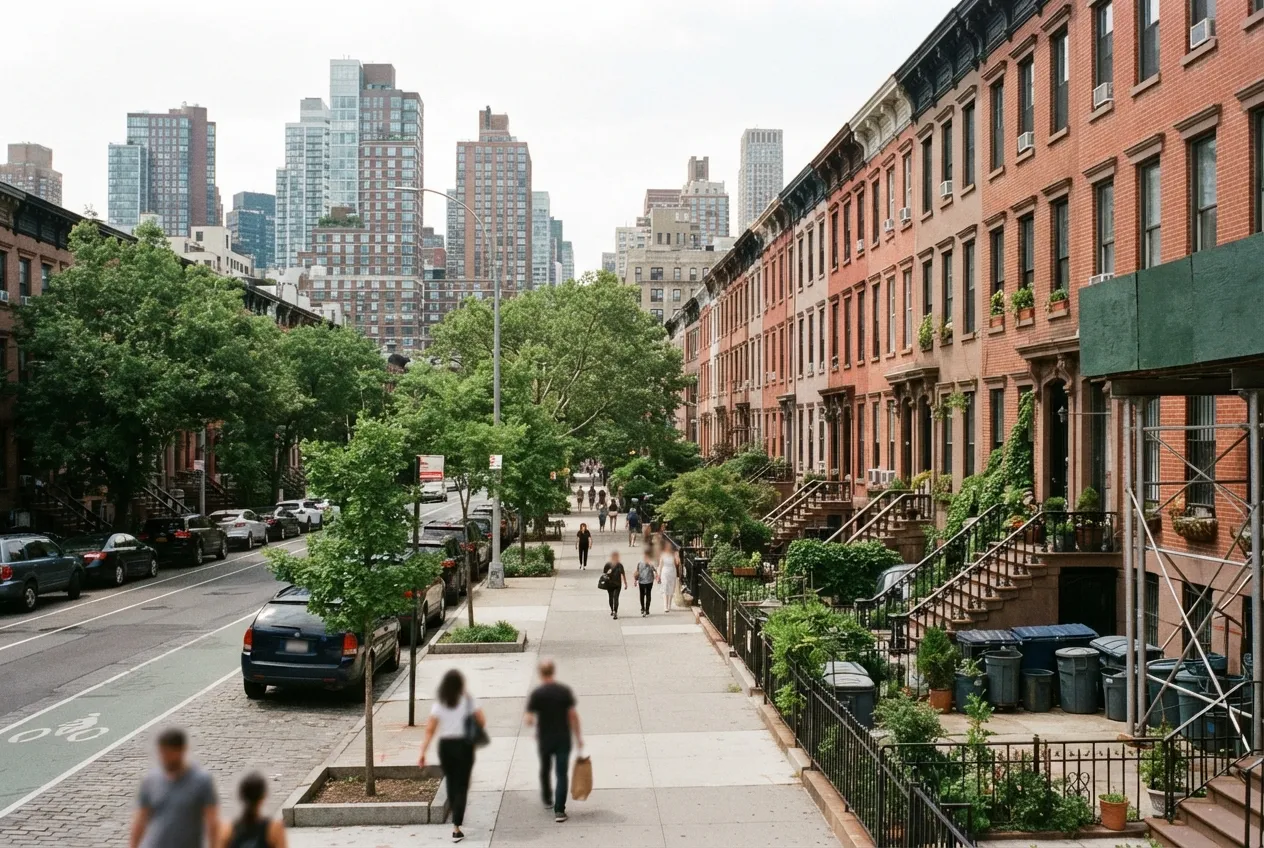
Downtown Brooklyn mixes newer residential towers with older brownstones, rowhouses and pre-war apartment buildings. Many of those older homes still have working fireplaces, wood stoves or masonry flues that vent a boiler or water heater. EverSafe Chimney Sweep is based in neighboring Fort Greene, about a mile away, so homes in 11201 are a short trip for our certified technicians. This page covers what a chimney sweep involves for the kinds of chimneys found here, when to schedule one and what to expect on the day.
What a Chimney Sweep Covers
Every fire leaves creosote on the inside of the flue. Creosote is a tar-like residue from wood smoke that can ignite if it builds up. Gas and oil appliances leave soot and scale instead. Nests, leaves and loose mortar can also settle in a chimney and block the exhaust path. A sweep clears that material and lets us see the condition of the flue walls underneath.
A standard visit includes:
- Brushing the flue from top to bottom with brushes sized to the flue
- Cleaning the firebox, smoke shelf and damper area
- Vacuuming loose soot and debris as we work
- Checking that the damper opens, closes and seals
- Looking for cracked flue tiles, gaps in mortar joints and signs of water entry
- Noting blockages from nests or fallen debris
- Explaining what we found and whether any repair needs attention
Chimneys in Brownstones, Rowhouses and Pre-War Buildings
Older homes in Downtown Brooklyn often share a chimney stack with the house next door, with several flues running side by side through one masonry column. A crack in one flue can let smoke or exhaust move into another, so we check which flue serves which fireplace or appliance before we start.
Many brownstones and rowhouses have more than one fireplace, sometimes one per floor. Some have been sealed, some are decorative only, and some are still in use. If you plan to light a fireplace that hasn't been used in years, have it swept and inspected first. Flues that have sat unused often collect debris and can hide deteriorated mortar.
In pre-war apartment buildings, the main chimney usually serves the boiler rather than a fireplace. Owners and managers should keep that flue on the same yearly schedule as any fireplace in the building.
When to Schedule: Yearly Inspections and the Heat Season
The NFPA 211 standard calls for chimneys, fireplaces and vents to be inspected once a year. Chimney professionals use three inspection levels. A Level 1 inspection fits when nothing about the system has changed. A Level 2 inspection is called for when the system changes, such as a new appliance or a switch of fuel, or when the home is sold. A Level 3 inspection is used when a hidden hazard can only be reached by opening part of the chimney or building.
New York City's heat season runs from October 1 through May 31. During that time, building owners must keep apartments heated to the city's minimum temperatures. Booking your sweep in late summer or early fall means the boiler flue and fireplaces are ready before the heating system runs every day. Spring, once heating winds down, is also a good time to clean out a season's worth of buildup.
Oil-to-Gas Conversions and Flue Liners
Many older Brooklyn buildings have switched their boilers from oil to gas. When a New York City building makes that conversion, the chimney has to be evaluated as part of the work. A new liner is often needed because gas exhaust produces acidic condensate that can corrode a masonry flue.
If your building has converted or plans to, tell us when you book. A fuel change is the kind of system change that calls for a Level 2 inspection, and we can explain what we see in the existing flue.
What to Expect on the Day
Before we arrive, let the fireplace or stove cool completely. A day without a fire is best. Clear a few feet of space in front of the hearth and move anything fragile off the mantel. Let us know which fireplaces or appliances you use and whether you've noticed smoke spilling into the room, odors or water stains.
We lay drop cloths at the hearth and run a vacuum while brushing to keep soot contained. When we finish, we walk you through what we found, point out anything that needs repair and tell you when to schedule the next visit.
More services in Downtown Brooklyn
- Chimney Inspection in Downtown Brooklyn
- Chimney Repair in Downtown Brooklyn
- Air Duct Cleaning in Downtown Brooklyn
- Chimney Liner Installation in Downtown Brooklyn