
The short answer
Chimney repair in Downtown Brooklyn usually means fixing worn masonry, cracked crowns, leaking flashing, or a damaged or unsuitable flue liner, which is common in older buildings that have switched from oil to gas. EverSafe Chimney Sweep inspects the chimney first, then repairs the problem, ideally before New York City's heat season begins October 1.
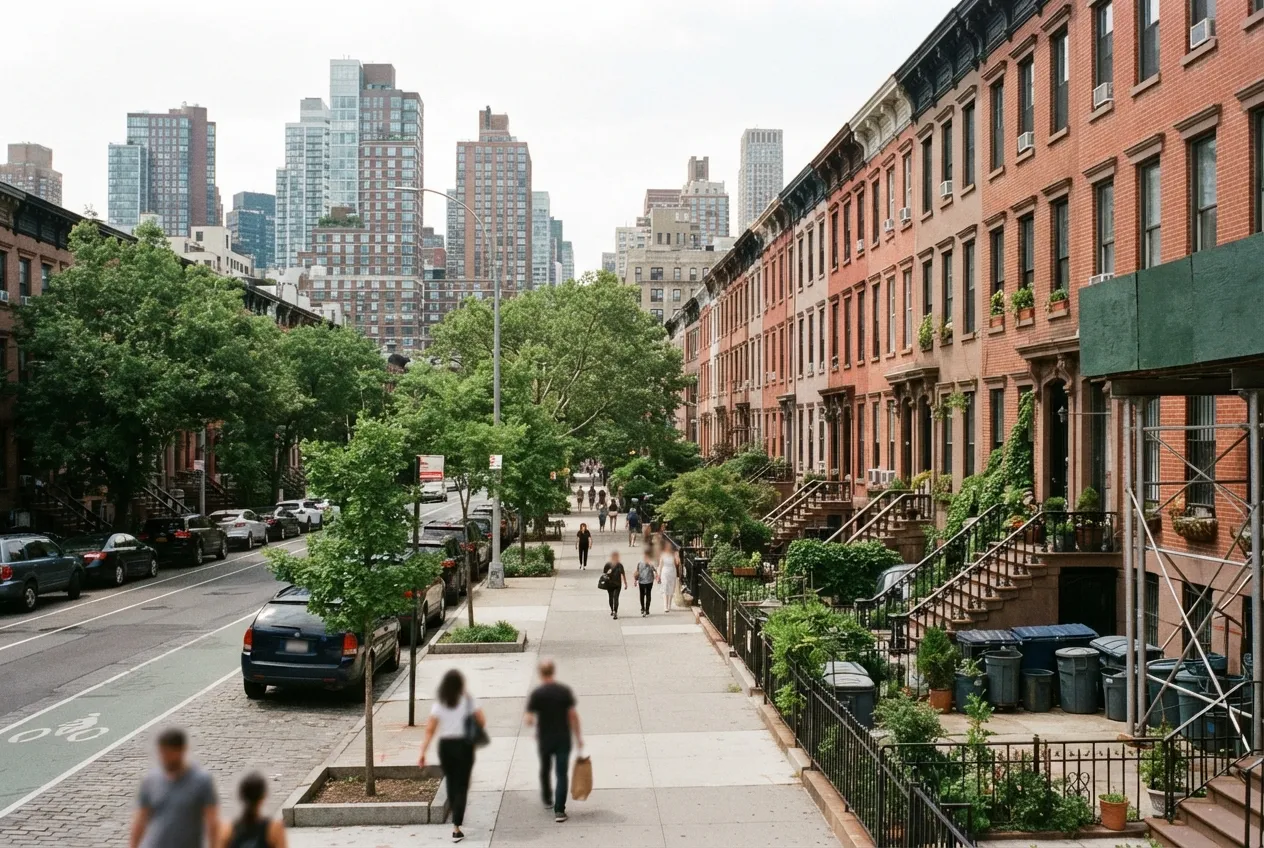
Downtown Brooklyn packs a lot of building types into a small area: pre-war apartment buildings, brownstones and rowhouses toward the neighborhood's edges, and newer high-rise residential towers. The older masonry chimneys in this mix have usually been through decades of heating, weather and settling, and many have outlived at least one change in fuel. EverSafe Chimney Sweep handles chimney repair throughout the 11201 ZIP code from our office in Fort Greene, about a mile away. Our certified technicians start by finding out what is actually wrong, explain it in plain terms, and repair what needs repairing.
Chimney Problems We See in Downtown Brooklyn Buildings
Most chimneys here are brick, and many sit on attached buildings where the stack is exposed to wind, rain and repeated freezing and thawing. Water is behind most of the damage we repair. Once it gets into the brick or mortar, each winter makes the problem worse. These are the issues we find most often:
- Spalling brick, where the faces of bricks flake or pop off
- Eroded or missing mortar joints that let water into the chimney
- Cracked or crumbling chimney crowns at the top of the stack
- Missing or rusted chimney caps that let in rain, debris and animals
- Failed flashing where the chimney meets the roof, causing leaks into top-floor ceilings and walls
- Cracked or broken clay tile flue liners
- Liners corroded by acidic condensate after a switch from oil to gas heat
Oil-to-Gas Conversions and Chimney Liners
Many pre-war buildings and brownstones in the area were built to burn oil or coal, and plenty have since switched to gas. When a New York City building converts its boiler from oil to gas, the chimney has to be evaluated as part of that work. A new liner is often needed, because gas exhaust produces acidic condensate that can corrode a masonry flue that was fine under oil.
If your building has already converted and you are seeing white staining, crumbling mortar inside the firebox or boiler connection, or debris collecting at the base of the chimney, the flue may be deteriorating. We can inspect the liner and, if needed, reline the chimney with a liner sized for the appliance it serves.
How a Repair Visit Works
Every repair starts with an inspection, because surface damage often points to a deeper problem. The NFPA 211 standard calls for chimneys, fireplaces and vents to be inspected once a year, and professionals use three levels of inspection depending on the situation:
- Level 1, a basic check of accessible parts when nothing about the system has changed
- Level 2, called for when the system changes, such as a new appliance or a switch of fuel, or when the home is sold
- Level 3, used when a hidden hazard has to be reached by opening part of the chimney or building
- A written explanation of what we found, with photos where they help, so you can decide on next steps
Timing Repairs Around Heat Season
New York City's heat season runs from October 1 through May 31. During those months, building owners must keep apartments heated to the city's minimum temperatures, so taking a boiler chimney out of service is much harder. For owners of multifamily buildings in particular, late spring and summer are the practical window for relining and major masonry work.
Warm months are also better for the repairs themselves. Mortar and crown materials cure more reliably above freezing, and a problem fixed in summer will not get worse over another winter. If you notice smoke backing up, a strong odor or active leaking during the heating season, call us rather than waiting, and stop using the appliance if you suspect a venting problem.
Serving Downtown Brooklyn and Nearby Neighborhoods
Work on attached and multifamily buildings often depends on roof access, so we coordinate with owners, building managers and boards ahead of time and keep the work area clean in shared hallways and on rooftops.
Besides Downtown Brooklyn, we repair chimneys in DUMBO, Boerum Hill, Brooklyn Heights, Fort Greene and Clinton Hill, which have many of the same rowhouses, brownstones and older apartment buildings.
More services in Downtown Brooklyn
- Chimney Sweep in Downtown Brooklyn
- Chimney Inspection in Downtown Brooklyn
- Air Duct Cleaning in Downtown Brooklyn
- Chimney Liner Installation in Downtown Brooklyn