The short answer
A chimney inspection checks the flue, liner, firebox, smoke chamber, crown and connections for damage, blockages and fire hazards. The NFPA 211 standard calls for an inspection once a year, and the level depends on whether anything has changed. EverSafe Chimney Sweep performs Level 1, 2 and 3 inspections for homes and buildings in Downtown Brooklyn and nearby neighborhoods.
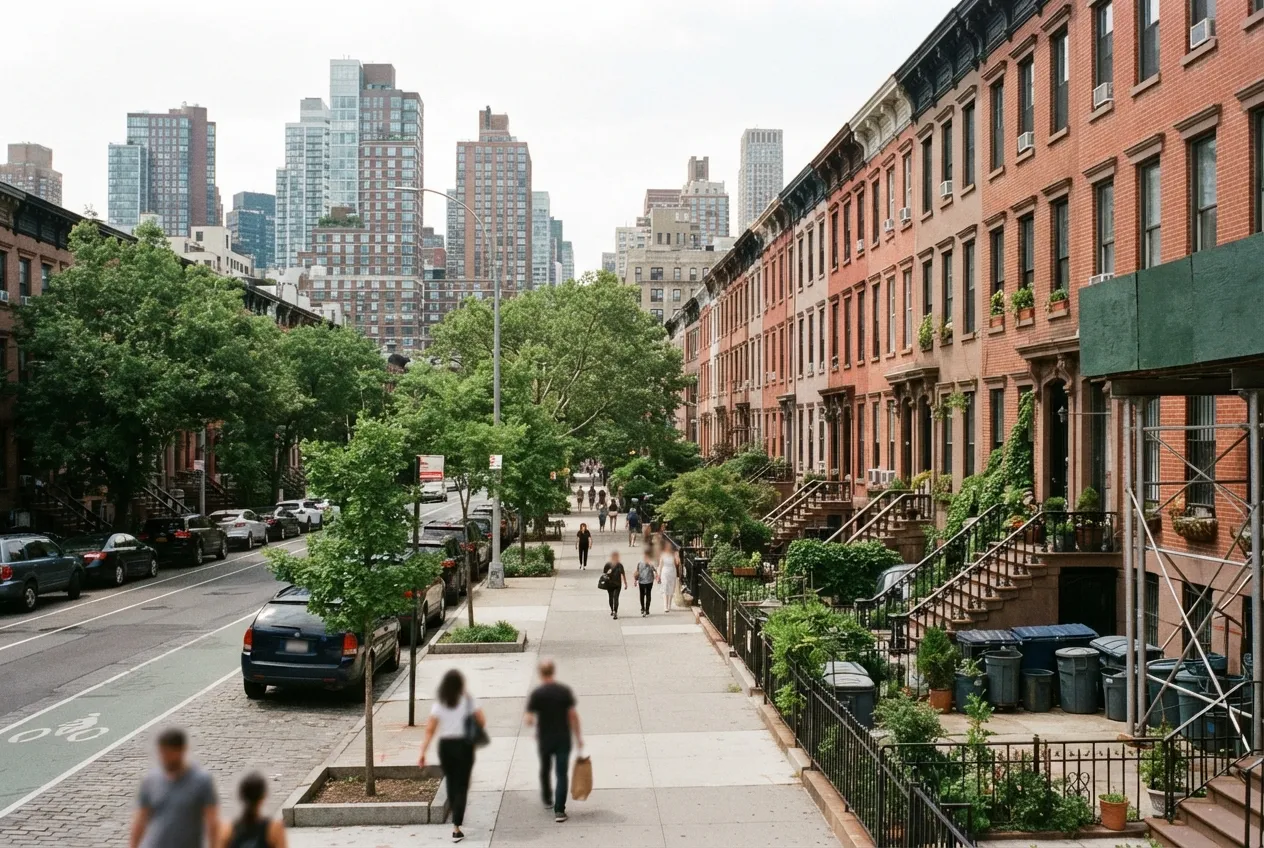
Downtown Brooklyn has a wide mix of housing. Brownstones and rowhouses sit at the edges of the neighborhood, and pre-war apartment buildings stand near newer residential towers. Many of these homes still have working fireplaces, masonry flues serving boilers, or chimneys that have been converted, capped or left alone for years. A chimney inspection tells you what condition that system is in before you light a fire, change fuel, or buy or sell a home. EverSafe Chimney Sweep is based in Fort Greene, about a mile southeast of Downtown Brooklyn, so the 11201 area is close to home for our certified technicians. Below we explain what an inspection covers, which level fits your situation, and what we usually look for in older Brooklyn masonry.
Which Inspection Level Your Downtown Brooklyn Home Needs
The NFPA 211 standard calls for chimneys, fireplaces and vents to be inspected once a year. Chimney professionals use three levels of inspection, and the right one depends on your situation, not on the size of the building.
We will tell you which level fits before we start. If a Level 1 or Level 2 inspection turns up signs of a hidden problem, we explain what we found and why a deeper look would help. We do not open walls or masonry without your approval.
- Level 1: for a chimney in regular use where nothing has changed. We check the readily accessible parts of the chimney, firebox and connections for soundness, obstructions and combustible deposits.
- Level 2: required when the system changes, for example a new appliance, a switch of fuel or a relining, and when a home is sold. It includes a camera scan of the flue interior plus accessible attics, basements and crawl spaces.
- Level 3: used when a serious hazard is suspected in a concealed area and the only way to reach it is to remove part of the chimney or building.
What We Look For in Brownstone and Pre-War Chimneys
Older masonry chimneys in this part of Brooklyn often carry decades of repairs, partial rebuilds and changes in use. A fireplace that was sealed off long ago may share a stack with a flue that still vents a boiler. Mortar joints wear down, original clay tile liners crack, and crowns at the top of tall rowhouse chimneys take a steady beating from weather.
During the inspection we document what we see with notes and photos or camera footage, so you are not relying on our word alone.
- Cracked, missing or offset flue tiles, or a flue with no liner at all
- Creosote and soot buildup that could fuel a chimney fire
- Blockages from debris, fallen masonry or animal nests
- Deteriorated crowns, missing caps and loose or failing flashing where water gets in
- Damper, smoke chamber and firebox damage
- Problems where the flue meets a boiler, water heater or stove connector
Oil-to-Gas Conversions and Liner Questions
Many Brooklyn buildings have converted, or plan to convert, their heating systems from oil to gas. In New York City the chimney has to be evaluated as part of that work. A new liner is often needed because gas exhaust produces acidic condensate that can corrode an unlined or poorly lined masonry flue over time.
Because a fuel switch counts as a change to the venting system, it calls for a Level 2 inspection. We can examine the existing flue, explain whether its condition and sizing look suited to the new appliance, and lay out the options so you and your heating contractor can plan the job.
Timing Your Inspection Around Heat Season
New York City's heat season runs from October 1 through May 31, when building owners must keep apartments heated to the city's minimum temperatures. For owners of rowhouses and small apartment buildings with a boiler on a masonry flue, it makes sense to have the chimney inspected before October. That leaves time to schedule repairs before the heat has to stay on.
Fireplace owners benefit from the same timing. Late summer and early fall inspections let you find a cracked liner or failed crown before the first cold night, not after.
Serving Downtown Brooklyn and Nearby Neighborhoods
We inspect chimneys throughout Downtown Brooklyn in ZIP code 11201, and we regularly work in the surrounding neighborhoods of DUMBO, Brooklyn Heights, Boerum Hill, Fort Greene and Clinton Hill. Whether you own a single brownstone, manage a pre-war building, or live in a unit with a working fireplace, we will explain what we find in plain terms and give you a written summary you can keep for your records or share with a buyer, seller or building manager.
More services in Downtown Brooklyn
- Chimney Sweep in Downtown Brooklyn
- Chimney Repair in Downtown Brooklyn
- Air Duct Cleaning in Downtown Brooklyn
- Chimney Liner Installation in Downtown Brooklyn