
The short answer
Chimney repair in Cobble Hill usually means fixing worn mortar joints, cracked crowns, failed flashing or damaged flue liners on older brownstones, rowhouses and pre-war buildings. EverSafe Chimney Sweep inspects the chimney first, explains what we found, and then repairs the specific problem.
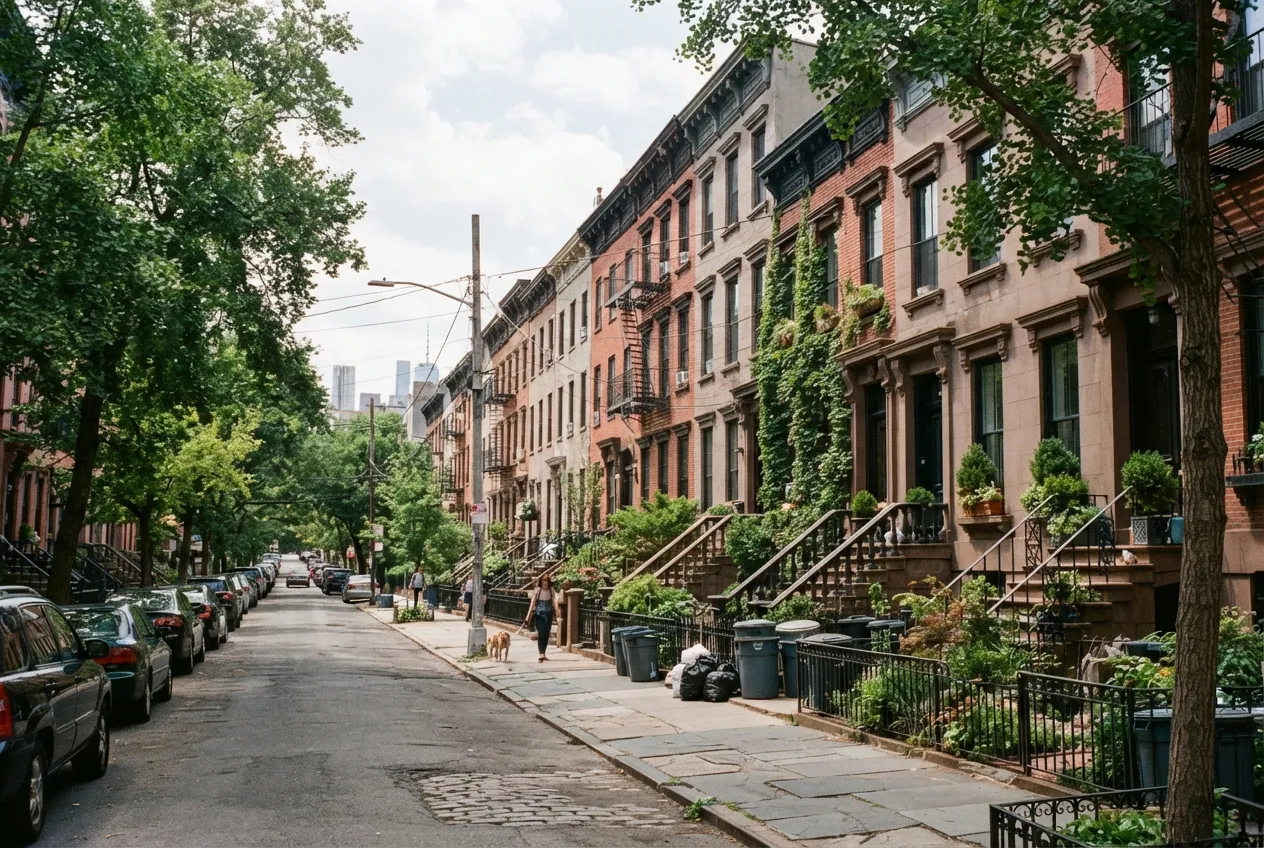
Most chimneys in Cobble Hill belong to brownstones, brick rowhouses and pre-war apartment buildings. They often run up through several stories, share walls with the house next door and have taken many decades of rain, freeze-thaw cycles and heating seasons. When something goes wrong, it usually shows up as a leak, loose brick or a flue that no longer drafts well. EverSafe Chimney Sweep sends certified technicians from our Fort Greene office, about 2 miles east, to find the cause and repair it. That means fixing the problem itself, not just patching what you can see from the sidewalk.
Common Chimney Problems in Cobble Hill Homes
Older masonry chimneys wear out in predictable ways. Water is the usual culprit. It works into mortar joints and cracks in the crown, then freezes and expands in winter. Over time, bricks loosen, mortar crumbles and water finds its way into ceilings and walls below. On attached rowhouses, a problem at the roofline can also affect a shared chimney stack or the party wall beside it.
These are the repairs we handle most often on homes in the 11231 area:
- Repointing: replacing eroded mortar joints so water stops getting into the masonry
- Crown repair or rebuilding: fixing the cracked concrete cap at the top of the stack
- Flashing repair: resealing the joint between the chimney and the roof, a common source of leaks
- Chimney caps: keeping out rain, debris and animals
- Damaged or missing flue liners: restoring a safe path for smoke and exhaust
- Spalling brick: replacing brick faces that have flaked or broken off
How a Chimney Repair Visit Works
Every repair starts with an inspection. The NFPA 211 standard calls for chimneys, fireplaces and vents to be inspected once a year, and it describes three levels. A Level 1 inspection covers the readily accessible parts when nothing about the system has changed. A Level 2 inspection is used when the system changes, for example a new appliance or a switch of fuel, or when the home is sold. A Level 3 inspection is used when a hidden hazard can only be reached by opening part of the chimney or building.
After the inspection, your technician walks you through what they found, shows you photos where possible, and explains which repairs are needed now and which can wait. We do the work only after you've approved it.
Oil-to-Gas Conversions and Flue Liners
Many pre-war buildings and brownstones in the neighborhood have switched, or plan to switch, from oil heat to gas. When a New York City building converts its boiler from oil to gas, the chimney has to be evaluated as part of the work. A new liner is often needed because gas exhaust produces acidic condensate that can corrode a masonry flue.
If you are planning a conversion, it helps to bring us in early. We can inspect the flue, tell you whether a new liner is likely, and install it so the chimney is ready when the new boiler goes in.
Timing Repairs Around Heat Season
New York City's heat season runs from October 1 through May 31. During that time, building owners must keep apartments heated to the city's minimum temperatures. For owners of multi-unit brownstones and apartment buildings, a chimney or flue problem that takes the boiler offline in January is a serious headache.
Late spring and summer are the easiest times to schedule masonry and liner work. Mortar cures better in mild weather, and you have room to finish repairs before the heat has to be on. If you notice water stains, falling debris in the firebox or white staining on the brick, call us before fall rather than waiting for the first cold night.
Serving Cobble Hill and Nearby Neighborhoods
We work throughout Cobble Hill and the surrounding parts of Brooklyn, including Carroll Gardens, Gowanus, Park Slope, Brooklyn Heights and Downtown Brooklyn. Homes across these neighborhoods have a lot in common: attached masonry houses, tall shared chimney stacks and heating systems that have been updated over the years. Those are the conditions our technicians repair every week.
More services in Cobble Hill
- Chimney Sweep in Cobble Hill
- Chimney Inspection in Cobble Hill
- Air Duct Cleaning in Cobble Hill
- Chimney Liner Installation in Cobble Hill