
The short answer
A chimney liner is a protective channel inside the flue that carries exhaust safely out of the house and shields the masonry from heat and corrosive byproducts. In Cobble Hill, a new liner is most often needed when an older clay flue has cracked or when a building converts its boiler from oil to gas. An inspection tells you which applies to your home.
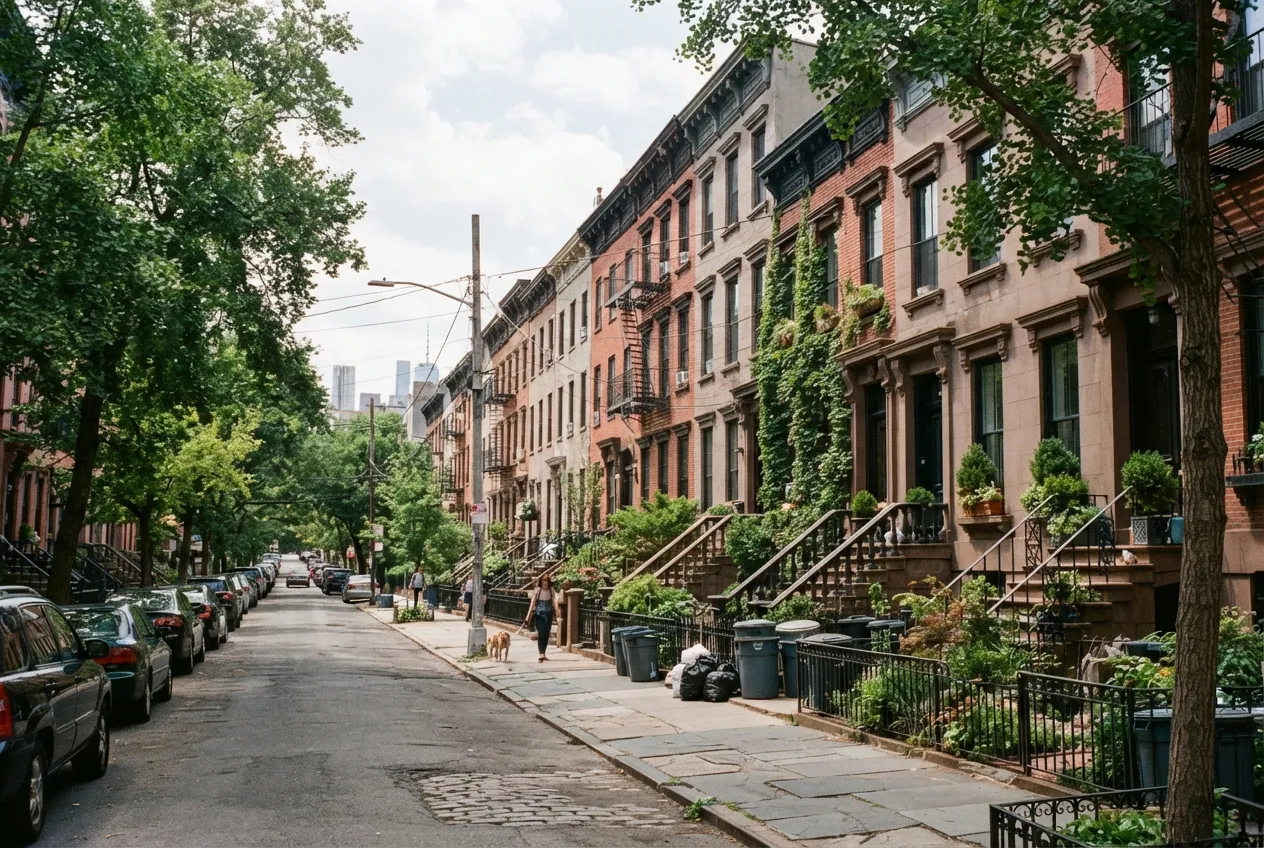
Many Cobble Hill homes were built long before modern heating equipment, and their chimneys show it. A brownstone flue may have original clay tiles that have cracked, mortar joints that have washed out, or no liner at all. EverSafe Chimney Sweep installs chimney liners for rowhouses, brownstones and pre-war apartment buildings throughout the 11231 ZIP code. Our office in Fort Greene is about 2 miles east, so we reach Cobble Hill quickly for inspections, measurements and installation. Here is what a liner does, when you need one, and how the work goes in a Cobble Hill building.
Why Older Cobble Hill Chimneys Often Need a Liner
Most chimneys in Cobble Hill's brownstones and rowhouses are masonry stacks that have served several generations of heating equipment, and sometimes a fireplace on more than one floor. Over time, clay flue tiles can crack from heat, settling or water getting into the chimney. Mortar between tiles and bricks can erode. In some older buildings the flue was never lined at all.
A damaged or missing liner lets heat reach nearby wood framing and lets exhaust gases, including carbon monoxide, seep through gaps in the masonry. It also leaves the inside of the chimney exposed to moisture and acids that keep breaking it down. A properly sized liner gives the exhaust a sealed, continuous path from the appliance or fireplace to the top of the chimney.
Oil-to-Gas Conversions and Chimney Liners
When a New York City building converts its boiler from oil to gas, the chimney has to be evaluated as part of the work. A new liner is often needed because gas exhaust produces acidic condensate that can corrode a masonry flue. A chimney that handled oil exhaust for decades may not hold up once it starts carrying gas exhaust.
If you are planning a conversion in a Cobble Hill brownstone or small apartment building, contact us early. We can inspect the flue, confirm the size and type of liner the new equipment needs, and plan the chimney work around your heating contractor's schedule so the project isn't held up at the end.
Choosing the Right Liner for Your Chimney
The right liner depends on what the chimney serves and the condition of the masonry. A flue connected to a gas boiler or water heater has different needs than one serving a wood-burning fireplace. The liner also has to be sized to the appliance. A liner that is too large or too small can cause poor draft, condensation and buildup.
- Stainless steel liners, rigid or flexible, used for many gas, oil and wood-burning applications and well suited to tall, offset rowhouse flues
- Replacement clay tile, an option for some masonry chimneys where tiles can be reached and replaced
- Cast-in-place liners, which can restore and seal a deteriorated masonry flue
- Insulation around the liner where it is needed to improve draft and protect nearby materials
How Liner Installation Works
The NFPA 211 standard calls for chimneys, fireplaces and vents to be inspected once a year. A change in fuel or a new appliance calls for a Level 2 inspection, which typically includes a camera look inside the flue. If a hidden problem has to be reached by opening part of the chimney or wall, that is a Level 3 inspection. Our certified technicians start with the right level of inspection so the liner recommendation is based on what is actually inside your chimney.
- Inspect the flue and document its condition with a camera
- Measure the flue and match the liner size to the appliance or fireplace
- Clean the chimney so the liner goes into a clear flue
- Install the liner, connections and a top plate or cap
- Check draft and connections once the work is complete
Timing the Work Around Heat Season
New York City's heat season runs from October 1 through May 31. During that time, owners of buildings with apartments must keep units heated to the city's minimums. For Cobble Hill owners with tenants, that makes late spring and summer the easiest time for liner work, because the boiler can be taken offline without affecting residents. If a problem turns up mid-winter, we will work with you to keep the downtime as short as we can.
Serving Cobble Hill and Nearby Brooklyn Neighborhoods
Along with Cobble Hill, we install chimney liners in Carroll Gardens, Gowanus, Park Slope, Brooklyn Heights and Downtown Brooklyn. These neighborhoods share a lot of the same building types, from brownstones to pre-war walk-ups, so we are used to tall flues, shared chimney stacks and tight roof access.
More services in Cobble Hill
- Chimney Sweep in Cobble Hill
- Chimney Inspection in Cobble Hill
- Chimney Repair in Cobble Hill
- Air Duct Cleaning in Cobble Hill