The short answer
A chimney inspection checks your chimney, fireplace or appliance vent for damage, blockages and unsafe conditions. The NFPA 211 standard calls for one every year, with a deeper level of inspection when your system changes, your home is sold, or a hidden problem is suspected. EverSafe Chimney Sweep inspects chimneys throughout Cobble Hill and nearby Brooklyn neighborhoods.
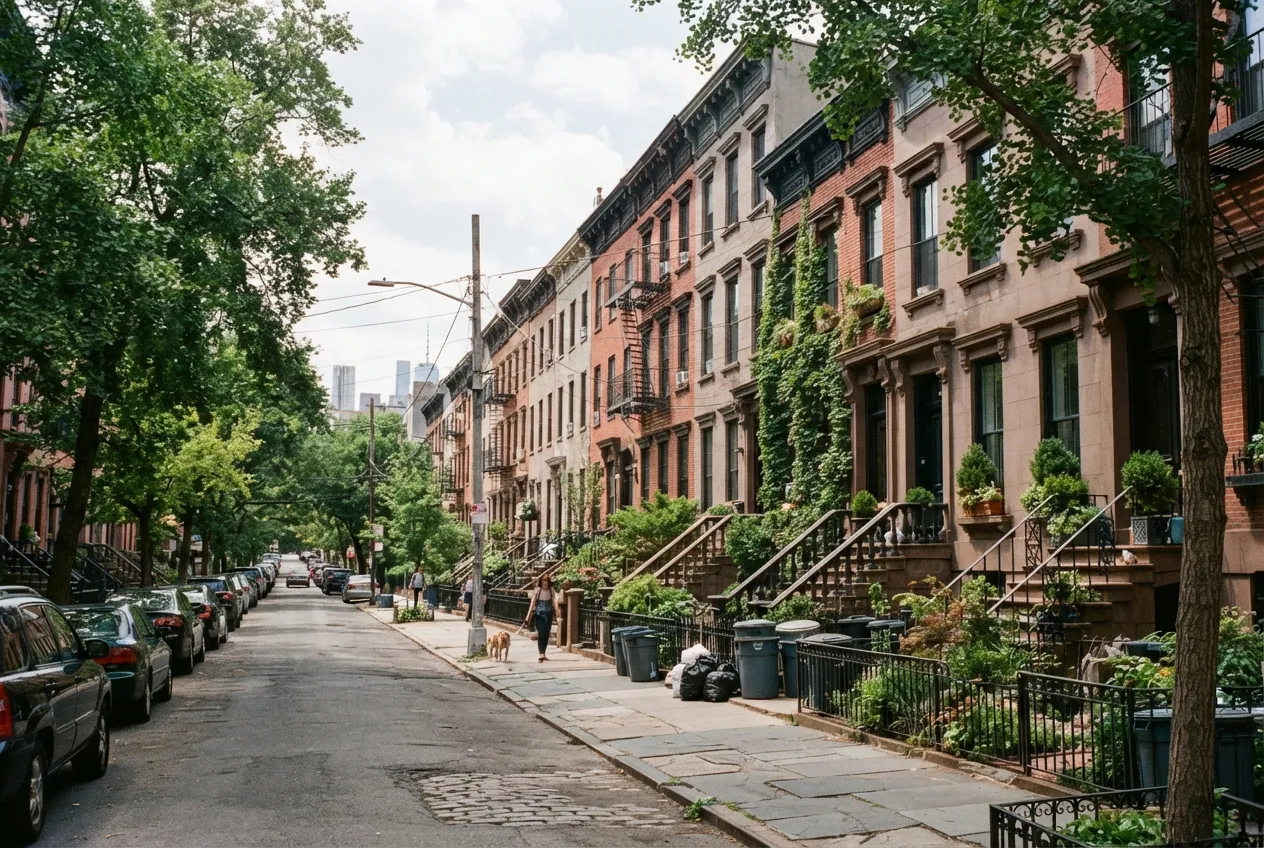
Many Cobble Hill homes are brownstones, rowhouses and pre-war apartment buildings whose chimneys have served several generations of heating systems. A fireplace may have sat unused for years, a boiler may have switched fuels, and a flue may run past neighbors' walls on its way to the roof. A chimney inspection tells you what condition that system is in before you light a fire or start the heat for the season. EverSafe Chimney Sweep's certified technicians come from our Fort Greene office, about 2 miles east, to inspect chimneys, fireplaces and vents in the 11231 ZIP code and the surrounding blocks.
Why Cobble Hill Chimneys Should Be Inspected Every Year
The NFPA 211 standard calls for chimneys, fireplaces and vents to be inspected once a year. That applies whether you burn wood in a parlor-floor fireplace or your chimney only carries exhaust from a boiler or water heater in the cellar.
Older masonry chimneys change slowly and quietly. Mortar joints erode, flue tiles crack, crowns wear down, and debris or animal nests can block the flue. Many of these problems can't be seen from inside the house. A yearly inspection catches them while they are still small and lets you plan repairs instead of reacting to a smoke problem in the middle of winter.
Choosing the Right Inspection Level
Chimney professionals use three inspection levels. We'll recommend the one that fits your situation and explain why before any work begins.
- Level 1: For a chimney in regular use when nothing about the system has changed. We examine the readily accessible parts of the chimney, fireplace or vent connection for soundness, blockages and buildup.
- Level 2: For when the system changes, such as installing a new appliance or switching fuel, or when the home is being sold. This is a more thorough look that includes a camera inspection inside the flue.
- Level 3: For when a hidden hazard has to be reached by opening part of the chimney or the building. This is reserved for situations where an earlier inspection points to a concealed problem.
What We Look For in Brownstones and Rowhouses
Attached homes come with chimney details that detached houses usually don't have. Chimneys often run inside party walls, several flues may share one masonry stack, and a single house can have multiple fireplaces on different floors, some open and some sealed long ago.
During an inspection we pay close attention to these conditions:
- Which flue serves which fireplace or appliance, so you know exactly what you're using
- Cracked, missing or deteriorated flue tiles and unlined flues
- Condition of the crown, cap and exterior brick at the roofline
- Dampers, smoke chambers and fireboxes in older fireplaces
- Soot, creosote and debris that can restrict the flue
- Gaps or damage where heat or exhaust could reach the house framing
Oil-to-Gas Conversions and Chimney Liners
Some Cobble Hill buildings that once heated with oil have converted, or plan to convert, to gas. When a New York City building converts its boiler from oil to gas, the chimney has to be evaluated as part of the work. A new liner is often needed because gas exhaust produces acidic condensate that can corrode a masonry flue.
If a conversion or a new boiler is on your schedule, a Level 2 inspection gives you and your heating contractor a clear picture of the flue's condition. That way, liner decisions can be made during planning instead of after the new equipment is already installed.
Timing Your Inspection Around Heat Season
New York City's heat season runs from October 1 through May 31. During those months, building owners must keep apartments heated to the city's minimum temperatures. For owners of multi-unit brownstones and pre-war buildings, a chimney problem discovered in January can affect tenants as well as your own household.
Scheduling your inspection in late spring or summer leaves time for any cleaning or repairs before the heat comes on. It also helps homeowners who plan to use a fireplace on the first cold evenings of fall.
Serving Cobble Hill and Nearby Neighborhoods
Our technicians work throughout Cobble Hill and the neighboring areas of Carroll Gardens, Gowanus, Park Slope, Brooklyn Heights and Downtown Brooklyn. After every inspection, we walk you through what we found, show you photos or camera footage where available, and explain any recommended next steps in plain terms. You decide what to do from there.
More services in Cobble Hill
- Chimney Sweep in Cobble Hill
- Chimney Repair in Cobble Hill
- Air Duct Cleaning in Cobble Hill
- Chimney Liner Installation in Cobble Hill