
The short answer
EverSafe Chimney Sweep repairs masonry, crowns, flashing, dampers, and flue liners for DUMBO lofts, pre-war apartment buildings, and rowhouses. Every repair starts with an inspection, so you know what is wrong and why before any work begins.
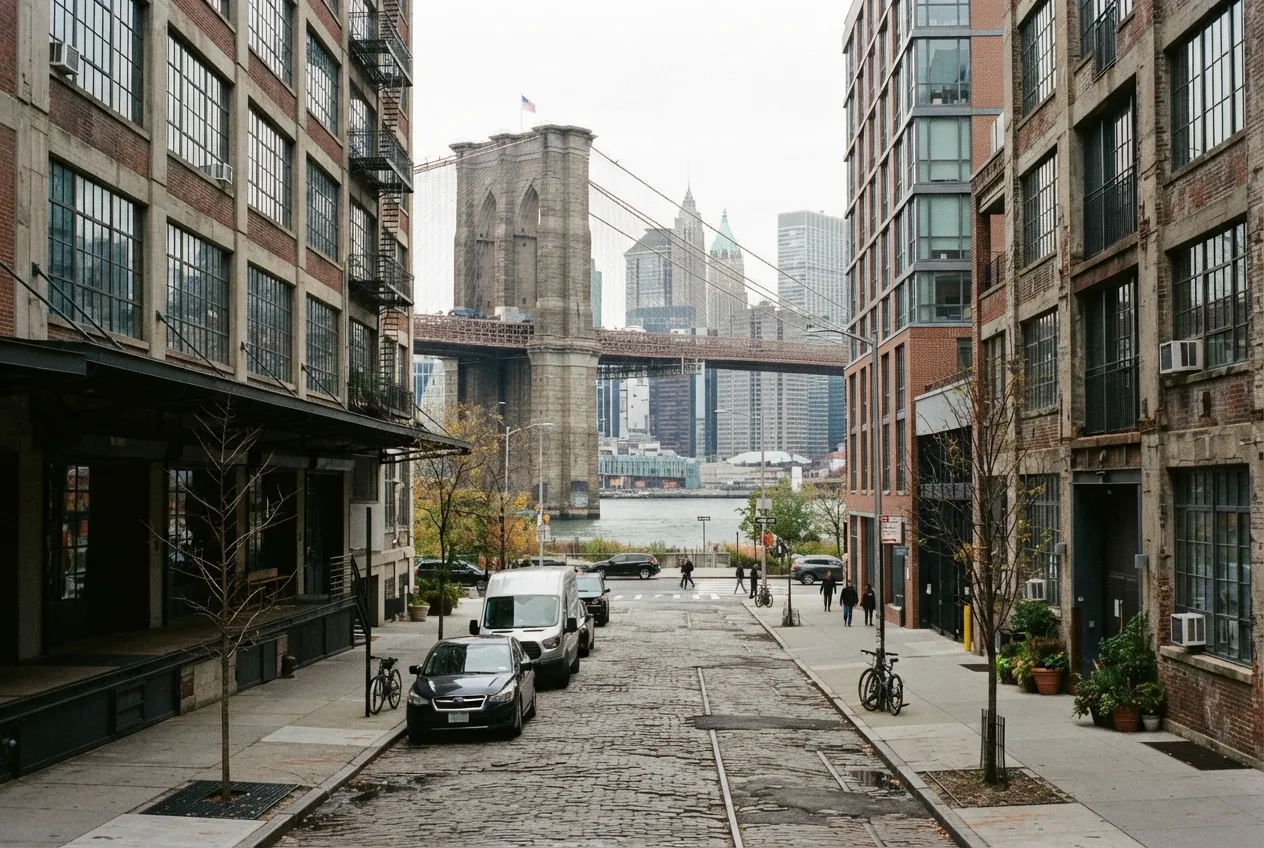
DUMBO's housing is mostly older masonry: converted industrial buildings with loft apartments, pre-war apartment buildings, and a smaller number of rowhouses. Many chimneys here have been through decades of freeze-thaw cycles, changes in heating fuel, and roof work that didn't always treat them gently. EverSafe Chimney Sweep repairs chimneys in DUMBO and across ZIP code 11201, about a mile from our Fort Greene office. Our certified technicians inspect first, explain what they find in plain terms, and repair only what needs fixing so your chimney vents safely and keeps water out of your home.
Common chimney problems in DUMBO buildings
Older brick chimneys in DUMBO tend to fail in predictable ways. Water is usually the root cause. It soaks into worn mortar, freezes in winter, and slowly pushes bricks and joints apart. Over time that moisture can stain interior walls, rust dampers, and weaken the flue from the inside.
In converted loft buildings and taller pre-war buildings, chimneys often serve boilers rather than fireplaces, and the flue may run several stories. In rowhouses, the chimney is often shared or sits close to a neighbor's, so roof and flashing repairs need care on both sides of the line.
- Cracked or crumbling mortar joints that need repointing
- Spalling brick, where the face of the brick flakes or pops off
- A cracked or deteriorated chimney crown that lets water into the top of the flue
- Failed flashing where the chimney meets the roof, a frequent cause of ceiling leaks
- Missing or damaged chimney caps that let in rain, debris, and animals
- Rusted or stuck dampers in fireplace chimneys
- Cracked, gapped, or corroded flue liners
Inspection comes before repair
We don't quote a repair from the sidewalk. The NFPA 211 standard calls for chimneys, fireplaces, and vents to be inspected once a year, and it sets out three inspection levels. A Level 1 inspection covers the readily accessible parts of the chimney when nothing about the system has changed. A Level 2 inspection is called for when the system changes, such as a new appliance or a switch in fuel, or when the home is sold. It usually includes a camera look inside the flue. A Level 3 inspection is reserved for cases where a hidden hazard can only be reached by opening part of the chimney or the building.
For most DUMBO repair calls, a Level 1 or Level 2 inspection tells us what we need to know. If we recommend a Level 3, we'll explain exactly why before anything is opened up.
Oil-to-gas conversions and flue liners
Many older New York City buildings have moved, or are planning to move, from oil heat to gas. When a building converts its boiler from oil to gas, the chimney has to be evaluated as part of that work. A new liner is often needed, because gas exhaust produces acidic condensate that can corrode a masonry flue.
If your DUMBO building is converting, or converted years ago without a liner upgrade, we can evaluate the flue and install a properly sized liner so exhaust vents safely and the masonry is protected from the inside. Signs that a flue is already suffering include crumbling material at the base of the chimney, white staining on the brick, and damp spots on walls near the chimney.
Planning repairs around heat season
New York City's heat season runs from October 1 through May 31. During those months, building owners must keep apartments heated to the city's minimum temperatures. For buildings that rely on a boiler chimney, a repair that takes the heating system offline in January is a real problem.
The easiest time for most chimney repair is late spring through early fall, when the boiler can be shut down without leaving residents cold. If you spot leaks, loose brick, or flue damage during the winter, call us anyway. We can assess the problem, handle urgent safety issues, and schedule larger masonry work for warmer weather.
What to expect on a repair visit
We keep the process straightforward and tell you what we're doing at each step.
- An inspection of the chimney exterior, roof connection, and flue
- Photos or camera footage of the problems we find
- A clear explanation of which repairs are urgent and which can wait
- Protection for floors and furnishings around fireplaces and boiler rooms
- Cleanup when the work is finished, plus notes on anything to watch going forward
More services in DUMBO
- Chimney Sweep in DUMBO
- Chimney Inspection in DUMBO
- Air Duct Cleaning in DUMBO
- Chimney Liner Installation in DUMBO