The short answer
A chimney liner protects your masonry and keeps exhaust moving safely out of the building, and it has to match the appliance or fireplace it serves. In DUMBO, liners are most often needed when an older flue is cracked or deteriorated, or when a building converts its boiler from oil to gas. EverSafe inspects the chimney first, then sizes and installs a liner built for your heating system.
A chimney liner is the inner wall of the flue. It carries smoke and exhaust out of the building and shields the surrounding masonry from heat, moisture, and corrosive byproducts. Many DUMBO chimneys serve older masonry buildings whose fuels, appliances, and uses have changed over the decades. The original clay tile or bare brick may no longer suit what is connected to it. EverSafe Chimney Sweep installs liners for homes and buildings throughout DUMBO from our base in Fort Greene, about a mile away, so scheduling an inspection or follow-up visit is straightforward.
Why Liners Matter in DUMBO's Older Buildings
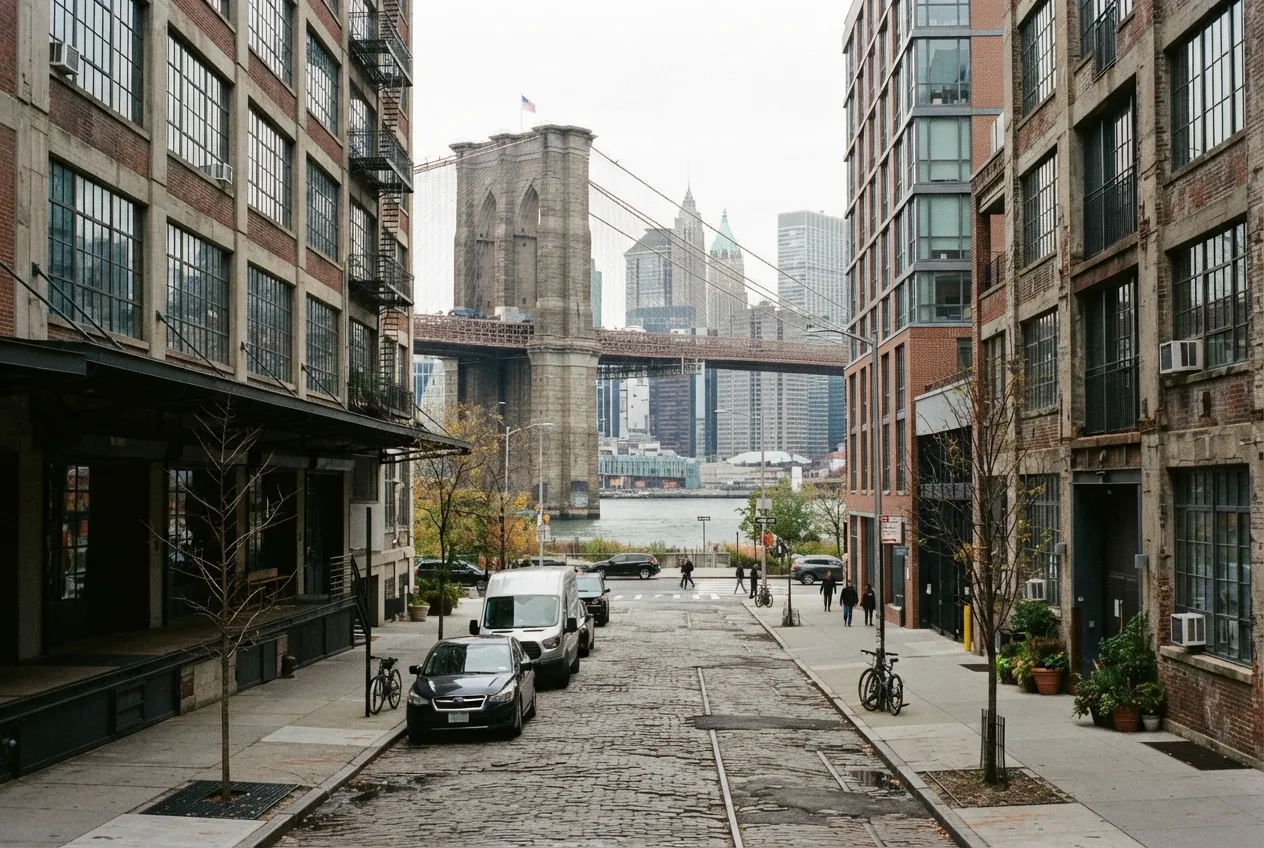
DUMBO's housing ranges from converted loft and pre-war buildings to newer apartment buildings and a smaller number of rowhouses. Many of the older chimneys were built for heating equipment very different from what runs today. Over time, clay flue tiles can crack, mortar joints can open up, and unlined brick can absorb moisture and acidic residue from exhaust.
A damaged or poorly sized flue can let heat reach nearby framing, allow exhaust to leak into living space, or cause weak draft that leaves combustion gases lingering. A properly sized liner restores a sealed, continuous path from the appliance to the top of the chimney.
- Cracked, shifted, or missing flue tiles found during an inspection
- Crumbling mortar or flaking masonry inside the flue
- Water stains, white staining, or dampness on chimney walls inside the home
- Poor draft, smoke spillage, or exhaust odors near the appliance
- A new boiler, furnace, water heater, or insert being connected to an existing chimney
Liners for Oil-to-Gas Conversions
When a New York City building converts its boiler from oil to gas, the chimney has to be evaluated as part of the work. A new liner is often needed. Gas exhaust produces acidic condensate that can corrode a masonry flue that held up for years under oil.
If your building is planning a conversion, we can evaluate the chimney early. That way the liner can be planned alongside the boiler work rather than discovered as a delay at the end. We coordinate with your heating contractor so the liner size and material match the new equipment.
How We Install a Chimney Liner
Every installation starts with an inspection. The NFPA 211 standard calls for chimneys, fireplaces, and vents to be inspected once a year. It also describes a more detailed Level 2 inspection when the system changes, such as a new appliance or a switch of fuel. Liner projects usually fall into that category. Our certified technicians use camera equipment to examine the full length of the flue before recommending anything.
- Inspect the flue, crown, and connections, and document what we find
- Measure the flue and confirm the size needed for your appliance's output
- Recommend a liner type suited to the fuel: gas, oil, or wood
- Clean the flue and install the liner from top to bottom, adding insulation where the application calls for it
- Connect the liner to the appliance, cap the top, and check draft before we leave
Choosing the Right Liner Type
Most liners we install are stainless steel, either flexible or rigid depending on how straight the flue runs. Stainless steel holds up well to the acidic condensate produced by gas appliances, and it can be sized precisely to the equipment it serves.
Wood-burning fireplaces and inserts have different needs than boilers and water heaters, including higher temperatures and creosote. We explain the options that fit your chimney's shape and your appliance, along with the trade-offs of each, so you can decide with clear information.
Planning Around Heat Season
New York City's heat season runs from October 1 through May 31. During that period, building owners must keep apartments heated to the city's minimum temperatures. For buildings with tenants, a liner project that takes the boiler offline is easiest to schedule outside that window.
Late spring and summer are good times to inspect and plan. If a problem turns up mid-winter, we work with you to keep downtime as short as possible.
Serving DUMBO and Nearby Neighborhoods
We work throughout DUMBO in ZIP code 11201. We also serve nearby Downtown Brooklyn, Boerum Hill, Brooklyn Heights, Fort Greene, and Clinton Hill. Whether you own a single rowhouse or manage a larger building, we can assess your chimney and recommend the liner that fits your heating system.
More services in DUMBO
- Chimney Sweep in DUMBO
- Chimney Inspection in DUMBO
- Chimney Repair in DUMBO
- Air Duct Cleaning in DUMBO