
The short answer
A chimney liner protects the masonry and gives exhaust a sealed, properly sized path out of your home, and many older Carroll Gardens chimneys need a new one. It's most often needed when the existing clay tiles are damaged or when a boiler converts from oil to gas.
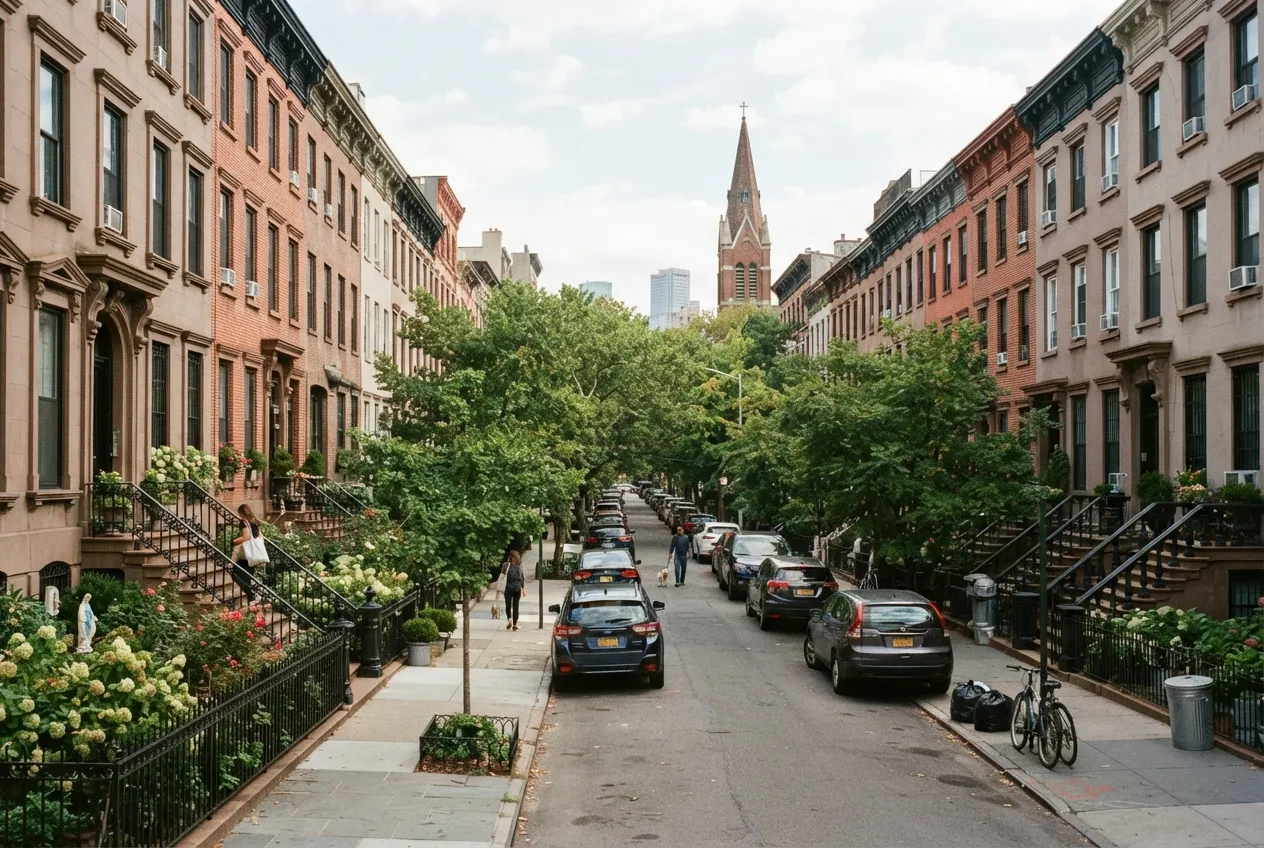
Many homes in Carroll Gardens were built long before modern heating equipment, and their chimneys show it. Brownstones, rowhouses and pre-war apartment buildings in the 11231 ZIP code often have masonry flues with clay tile liners that have cracked, shifted or worn away. Some flues were never lined at all. A chimney liner gives exhaust a sealed, correctly sized path out of the house, keeping heat and combustion gases away from the brick and the rooms around it. EverSafe Chimney Sweep installs liners for boilers, furnaces, water heaters and fireplaces throughout the neighborhood, about 2 miles west of our Fort Greene office.
Why Older Carroll Gardens Chimneys Often Need Relining
Most chimneys in the neighborhood are brick, and many still rely on their original clay tile liners. Over decades, heating and cooling cycles, moisture, and settling of the building can crack tiles, open gaps at the joints, or leave sections missing. Once that happens, exhaust and heat can reach the brick and mortar directly. Over time that can let gases escape into the house or let heat reach nearby framing.
Rowhouses add their own wrinkle. Chimneys often sit in shared or party walls, and several flues may run side by side in one stack. A damaged liner in one flue can affect the masonry it shares with others, so it makes sense to know the condition of the whole stack before deciding what to fix.
Common signs a liner needs attention include flakes of tile or mortar at the base of the flue, staining or dampness on interior walls near the chimney, a persistent odor when the heat runs, and an appliance that drafts poorly.
Oil-to-Gas Boiler Conversions
Many Carroll Gardens buildings have switched, or are planning to switch, from oil heat to gas. When a New York City building converts its boiler from oil to gas, the chimney has to be evaluated as part of the work. A new liner is often needed because gas exhaust produces acidic condensate that can corrode a masonry flue.
A flue that worked for decades with an oil burner may be too large or in the wrong condition for a gas appliance. We inspect the chimney and recommend a liner sized for the new equipment. Then we coordinate timing with your heating contractor so the chimney work doesn't hold up the conversion.
Choosing the Right Liner
The right liner depends on what's venting through the chimney, the shape and condition of the flue, and how the chimney runs through the building. A liner has to match the appliance it serves. One that's too large or too small can cause poor draft and condensation problems.
- Stainless steel liners: flexible or rigid, used for gas and oil boilers, furnaces and water heaters, and for many wood-burning fireplaces and stoves
- Insulated stainless liners: often used for wood-burning appliances or exterior chimneys where the flue needs to stay warm
- Cast-in-place liners: a mortar-like material formed inside the flue, useful where the chimney has offsets or needs added structural support
- Clay tile replacement: possible in some chimneys, though it usually means more demolition than a metal liner
What Installation Involves
Every job starts with an inspection. The NFPA 211 standard calls for chimneys to be inspected once a year. It calls for a Level 2 inspection when the system changes, such as a new appliance or a switch of fuel, or when the home is sold. That usually includes a camera inspection of the flue's interior. If a hidden hazard has to be reached by opening part of the chimney or wall, a Level 3 inspection may be needed.
Our certified technicians then measure the flue and choose the liner type and size. On most rowhouses and brownstones the work is done from the roof, with the liner lowered down the flue and connected to the appliance below.
- Camera inspection and measurement of each flue
- Cleaning and removal of loose tile or debris
- Installing and connecting the liner, plus a top plate and cap where appropriate
- Protecting floors and furniture near the fireplace or boiler, and cleaning up when we're done
Planning Around Heat Season
New York City's heat season runs from October 1 through May 31. During that period, building owners must keep apartments heated to the city's minimum temperatures. If you own a multi-unit building, scheduling liner work in late spring or summer avoids taking a boiler offline when tenants rely on it. Homeowners with a single heating system benefit from the same planning.
We also install liners in nearby Cobble Hill, Gowanus, Park Slope, Brooklyn Heights and Downtown Brooklyn.
More services in Carroll Gardens
- Chimney Sweep in Carroll Gardens
- Chimney Inspection in Carroll Gardens
- Chimney Repair in Carroll Gardens
- Air Duct Cleaning in Carroll Gardens