
The short answer
Chimneys in Carroll Gardens should be inspected once a year, as the NFPA 211 standard recommends. A Level 2 inspection is the right choice if you're buying or selling, adding or replacing an appliance, or converting a boiler from oil to gas. Booking before the October 1 start of heat season leaves time for any repairs.
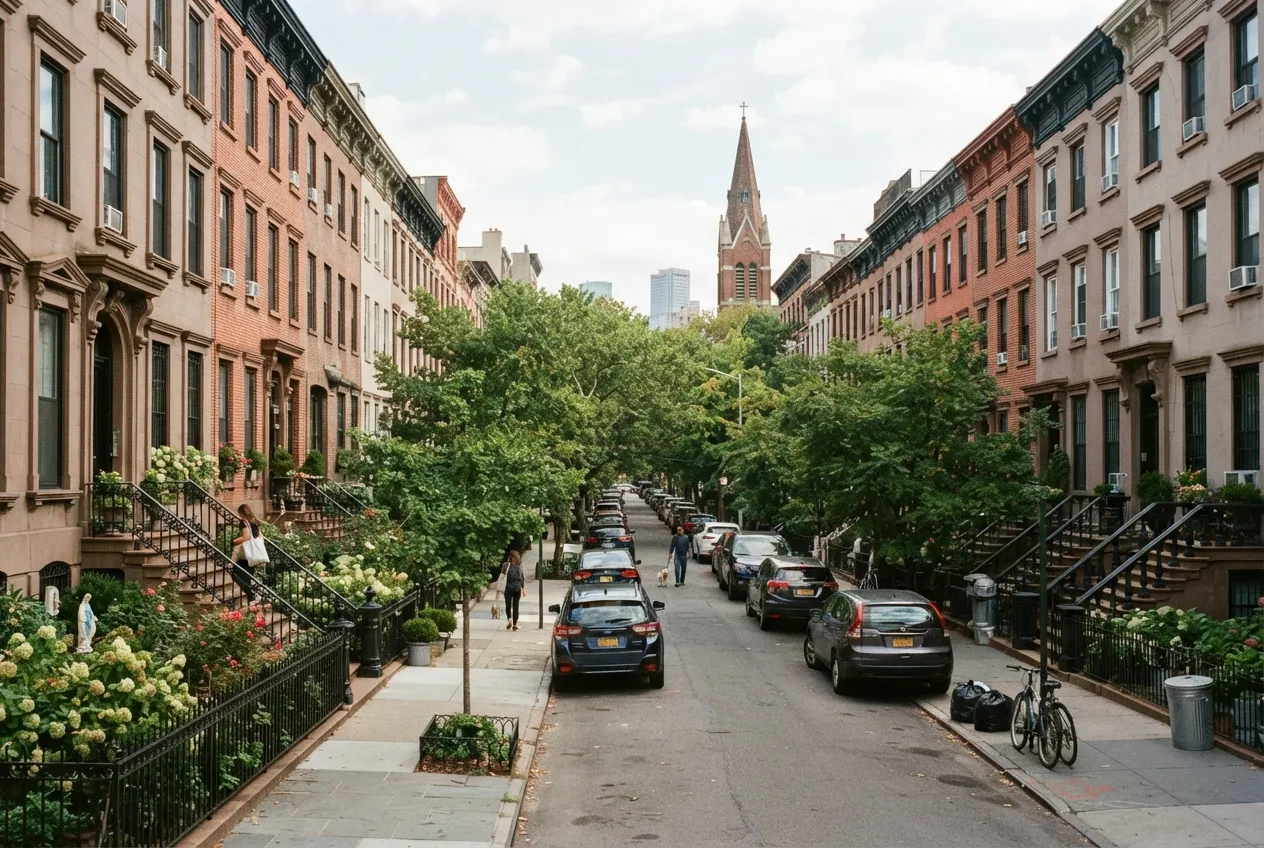
Most chimneys in Carroll Gardens were built long before anyone living in the house today was born. The neighborhood's brownstones, rowhouses and pre-war apartment buildings often have tall masonry stacks holding several flues, which may serve a boiler, a water heater and sometimes a fireplace on the parlor floor. Age, weather and changes in heating equipment all take a toll on that masonry, often in places you can't see from inside the house. EverSafe Chimney Sweep inspects these systems throughout ZIP code 11231 from our office in Fort Greene, about 2 miles east, and we also work in Cobble Hill, Gowanus, Park Slope, Brooklyn Heights and Downtown Brooklyn. This page explains what a chimney inspection covers, which level fits your situation, and when to book one.
Which Inspection Level Do You Need?
The NFPA 211 standard calls for chimneys, fireplaces and vents to be inspected once a year. Chimney professionals use three levels of inspection, and the right one depends on what has changed in your home. We'll recommend a level after asking a few questions about your house and heating system. We won't push a deeper inspection unless your situation calls for one.
- Level 1: For a chimney in regular use where nothing has changed. We check the readily accessible parts of the chimney, the appliance connections and the flue for soot buildup, blockages and visible damage.
- Level 2: Required when the system changes, such as a new boiler or water heater or a switch from oil to gas, and when a home is sold. It adds a video camera run through the full length of the flue, along with checks in the attic, basement and roof areas.
- Level 3: Used only when a suspected hazard is hidden behind masonry or walls and part of the chimney or building has to be opened to reach it.
What We Check in Brownstones and Rowhouses
Carroll Gardens rowhouses usually share party walls, so a single chimney stack can hold flues for your home and sometimes your neighbor's. Older stacks may also contain abandoned flues from fireplaces that were sealed decades ago. Part of our job is working out which flue serves which appliance, so the findings apply to your actual equipment. On a typical inspection our certified technicians look at:
- The chimney crown, cap and flashing, where most water problems start
- Mortar joints and brick on the exposed portion of the stack above the roofline
- Flue liner condition, including cracks, gaps and missing sections
- Fireplace dampers, smoke chambers and the firebox on parlor-floor fireplaces
- The connector pipes from the boiler and water heater into the chimney
- Signs of water entry, such as staining, crumbling brick or rust in the cleanout
- Creosote or soot buildup and debris like nesting material
Converting From Oil to Gas
Many Carroll Gardens buildings have moved, or are planning to move, from oil heat to gas. When a New York City building converts its boiler from oil to gas, the chimney has to be evaluated as part of the work. A new liner is often needed because gas exhaust produces acidic condensate that can corrode an old masonry flue from the inside.
If a conversion is on your calendar, schedule a Level 2 inspection early. Knowing whether you need a liner before the boiler is installed helps you plan the work in the right order and keeps the project from stalling partway through.
Timing Your Inspection Around Heat Season
New York City's heat season runs from October 1 through May 31. During those months, building owners must keep apartments heated to the city's minimum temperatures. For owners of multi-family brownstones and pre-war apartment buildings, a chimney problem found in January can put you in a hard spot.
Late spring and summer are the most practical times to inspect. The boiler is idle or running lightly, roof access is easier, and there's time to finish any liner, masonry or cap repairs before the heat has to come back on. Homeowners who use a wood-burning fireplace should also book before the first fire of the fall.
What You Get After the Inspection
When the inspection is done, we walk you through what we found and give you a written report with photos of any problem areas. For Level 2 inspections, the report includes footage from the camera run so you can see the inside of the flue yourself.
Each item is marked by urgency: what needs attention before you use the appliance again, what should be planned for, and what simply needs watching. If you're buying a home, the report gives you clear information to bring into negotiations. If you're selling, it answers the questions a buyer's inspector is likely to raise.
More services in Carroll Gardens
- Chimney Sweep in Carroll Gardens
- Chimney Repair in Carroll Gardens
- Air Duct Cleaning in Carroll Gardens
- Chimney Liner Installation in Carroll Gardens