
The short answer
EverSafe Chimney Sweep cleans chimneys in Boerum Hill's brownstones, rowhouses and pre-war buildings, with certified technicians coming from our Fort Greene office about a mile away. A sweep removes soot and creosote and gives a clear view of the flue's condition. The NFPA 211 standard calls for chimneys to be inspected once a year.
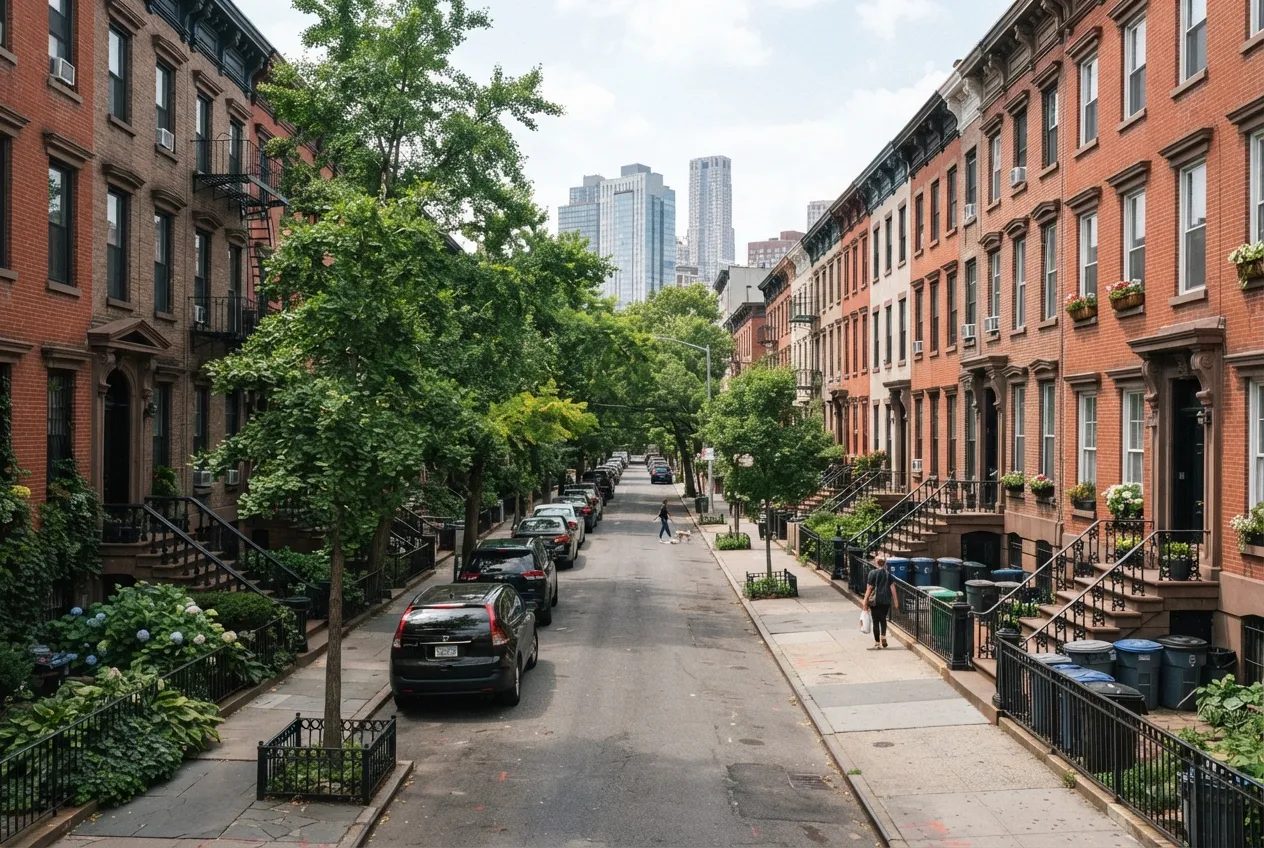
Boerum Hill is mostly brownstones, rowhouses and pre-war apartment buildings, and many of them still have their original masonry chimneys. Some flues serve working wood-burning fireplaces. Others carry exhaust from a boiler or water heater, and some have sat unused for decades behind a closed-off mantel. EverSafe Chimney Sweep sends certified technicians from our Fort Greene office, about a mile away, to clean these chimneys, check their condition and tell you plainly what we find. This page covers chimney sweeping for homes in Boerum Hill and the 11201 area.
What a chimney sweep includes
A sweep removes the soot and creosote that build up inside a flue every time it's used. Creosote is a byproduct of burning wood. It's flammable, and thick layers in a narrow flue are where chimney fires start. Soot from oil or gas appliances is less dramatic, but it can still narrow the flue and affect how well exhaust leaves the house.
During a sweep in Boerum Hill, we typically:
- Protect the hearth and floor around the fireplace with drop cloths and run a vacuum to keep dust out of the room
- Brush the flue from the firebox up, or from the roof down when access allows
- Clear the smoke shelf, damper area and firebox of debris
- Look for nests, fallen brick or mortar, and blockages near the top
- Check the damper, crown and cap for damage that lets water or animals in
- Walk you through what we saw, including anything that needs follow-up
Chimneys in brownstones and rowhouses
Older Brooklyn rowhouses often have several flues running through the same chimney stack. There may be one for each fireplace on each floor, plus one for the heating system. It isn't always obvious which flue connects to which opening, and over the years some were capped, filled or relined. Part of our job is figuring out which flue serves your fireplace or appliance before we clean it.
Masonry this old can also have worn mortar joints, cracked or missing flue tiles, or a crown on the roof that has started to crumble. A sweep is a good time to spot these problems, because a clean flue is far easier to inspect than one coated in soot. If you're thinking about using a fireplace that has been closed off for years, have it swept and looked over before the first fire. An unused flue can hide debris, animal nests or damage you can't see from the room.
Yearly inspection and the heat season
The NFPA 211 standard calls for chimneys, fireplaces and vents to be inspected once a year, whether or not you think they need cleaning. Most routine visits are a Level 1 inspection, which is used when nothing about the system has changed. A Level 2 inspection applies when something does change, such as a new appliance or a switch in fuel, or when the home is sold. A Level 3 inspection is needed only when a suspected hidden hazard can be reached only by opening part of the chimney or building.
In New York City, the heat season runs from October 1 through May 31. During that time, building owners must keep apartments heated to the city's minimum temperatures. If your boiler vents through a chimney, a problem with that flue can become urgent in the middle of winter. Scheduling a sweep and inspection in late summer or early fall gives you time to handle repairs before the heat has to be on. For fireplaces you use often, an extra cleaning partway through the season can also make sense.
Oil-to-gas conversions and flue liners
Many older buildings in Boerum Hill have converted their boilers from oil to gas, or are planning to. In New York City, the chimney has to be evaluated as part of that work. A new liner is often needed, because gas exhaust produces acidic condensate that can corrode a masonry flue over time.
If a conversion is in your plans, we can sweep the old flue and look at its condition. That way you and your heating contractor know what you're working with before the project moves forward.
Serving Boerum Hill and nearby neighborhoods
Our office is in Fort Greene, so Boerum Hill is close by. We also sweep chimneys in Downtown Brooklyn, DUMBO, Brooklyn Heights, Fort Greene and Clinton Hill, where housing ranges from brownstones and rowhouses to pre-war and newer apartment buildings. When you book, tell us what the chimney serves, whether there's roof access, and whether you're an owner, a tenant or a building manager. That helps us plan the visit.
More services in Boerum Hill
- Chimney Inspection in Boerum Hill
- Chimney Repair in Boerum Hill
- Air Duct Cleaning in Boerum Hill
- Chimney Liner Installation in Boerum Hill