
The short answer
The NFPA 211 standard calls for chimneys, fireplaces and vents to be inspected once a year, and Boerum Hill homes are no exception. The right inspection level depends on whether anything about your system has changed. A Level 1 fits an unchanged system, a Level 2 fits a new appliance, fuel switch or sale, and a Level 3 is for reaching a suspected hidden hazard.
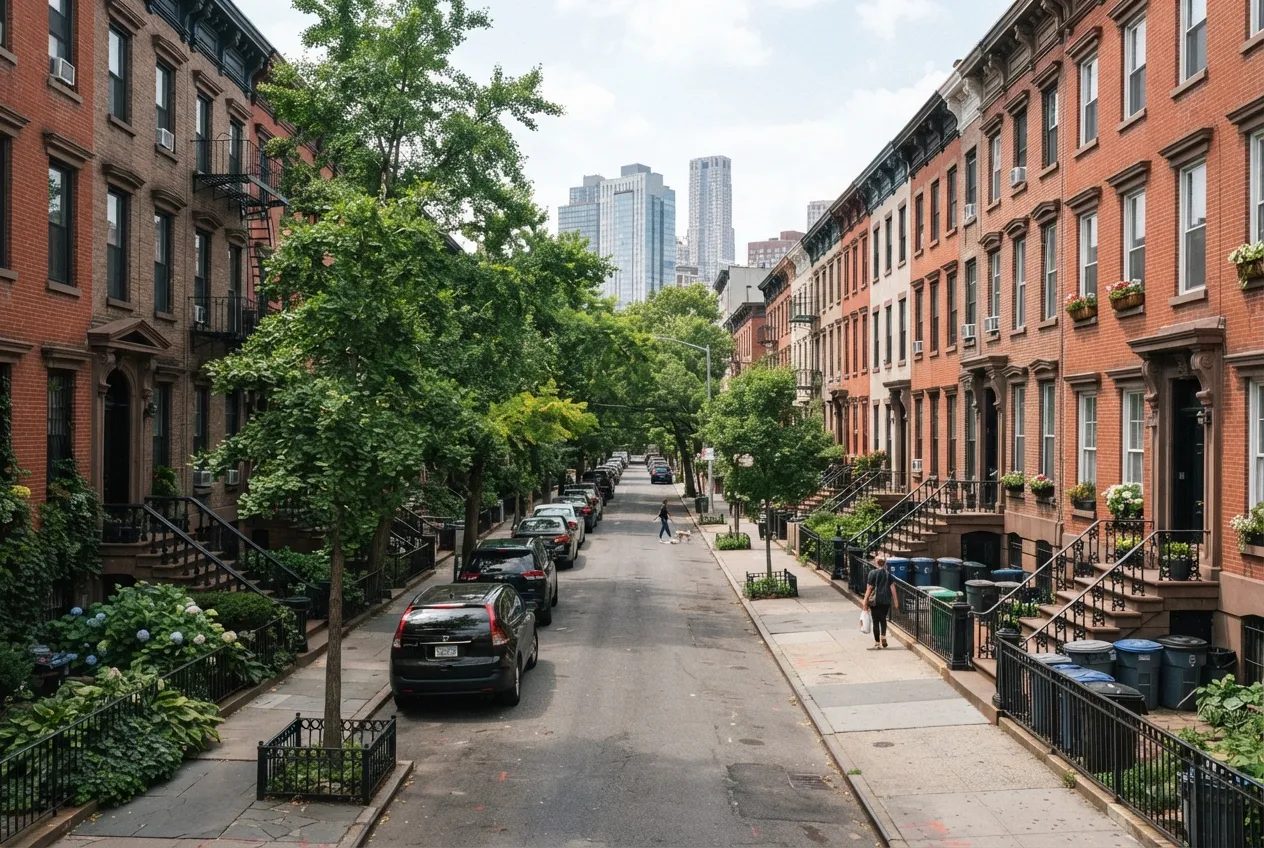
Many Boerum Hill homes are brownstones, rowhouses and pre-war apartment buildings, and their chimneys have often outlived several heating systems. A fireplace may have been sealed, reopened, or switched to gas. A boiler flue may now vent a different appliance than the one it was built for. A chimney inspection tells you what condition the flue is in today and whether it is safe for the way you use it. EverSafe Chimney Sweep is based in Fort Greene, about a mile southeast of Boerum Hill, and our certified technicians inspect chimneys throughout the 11201 ZIP code.
Why Boerum Hill Chimneys Need a Close Look
Rowhouses and brownstones often have several flues running up a shared masonry stack. One may serve a parlor-floor fireplace, another a basement boiler, and others may be unused or capped. Over decades, mortar joints wear, flue tiles crack, and debris or nesting material can collect in flues nobody has checked in years. Because these homes share walls with neighbors, a problem in a chimney can matter beyond your own unit.
Pre-war apartment buildings bring their own questions, especially where a central boiler vents through an older chimney. In both cases, an inspection gives you a clear record of what is there, what condition it is in, and what, if anything, needs attention.
Choosing the Right Inspection Level
Chimney professionals use three inspection levels. We recommend the one that matches your situation and explain why before we start.
- Level 1: For a chimney and appliance that have not changed and are in regular use. We check the readily accessible parts of the chimney, the firebox or connector, and the flue for soot, creosote, blockages and visible damage.
- Level 2: Called for when the system changes, such as a new appliance or a switch of fuel, or when the home is sold. It includes accessible attics, basements and crawl spaces, and a camera inspection of the flue interior.
- Level 3: Used when a hidden hazard has to be reached by opening part of the chimney or building. It is not routine; we only recommend it when an earlier inspection points to a problem that cannot be evaluated any other way.
Oil-to-Gas Conversions and Flue Liners
Some Boerum Hill buildings are moving boilers from oil to gas. When a New York City building makes that conversion, the chimney has to be evaluated as part of the work. A new liner is often needed, because gas exhaust produces acidic condensate that can corrode a masonry flue that was fine for oil.
If you are planning a conversion or have recently finished one, a Level 2 inspection shows whether the existing flue is suitable or whether a liner should be installed. We describe what we find in plain terms so you and your heating contractor can plan the next step.
Timing Your Inspection Around Heat Season
New York City's heat season runs from October 1 through May 31, when building owners must keep apartments heated to the city's minimum temperatures. For buildings that depend on a boiler, finding a chimney problem in the middle of winter can mean a difficult repair at the worst time.
Scheduling your yearly inspection in late spring or summer leaves room to handle cleaning, liner work or masonry repairs before the heating system is needed again. Fireplace owners benefit from the same timing, so the flue is ready before the first cold evening.
What Our Inspection Covers
Every inspection is tailored to your home, but these are the areas we typically review:
- Flue condition, including cracked or missing liner sections
- Creosote and soot buildup in wood-burning fireplaces
- Blockages from debris, animal nests or fallen masonry
- The chimney crown, cap and exterior masonry where visible
- Damper operation and smoke chamber condition
- Connections between the boiler, furnace or water heater and the chimney
Serving Boerum Hill and Nearby Neighborhoods
Our Fort Greene base puts Boerum Hill a short trip away. We also inspect chimneys in Downtown Brooklyn, DUMBO, Brooklyn Heights, Fort Greene and Clinton Hill, where many homes share the same mix of older masonry and updated heating systems.
After the inspection, we walk you through our findings and recommend only the work the chimney actually needs. If everything looks sound, we will tell you that too.
More services in Boerum Hill
- Chimney Sweep in Boerum Hill
- Chimney Repair in Boerum Hill
- Air Duct Cleaning in Boerum Hill
- Chimney Liner Installation in Boerum Hill