
The short answer
EverSafe Chimney Sweep cleans fireplace and boiler flues in South Williamsburg's rowhouses and pre-war buildings, removing creosote, soot and debris and checking the flue's condition. The NFPA 211 standard calls for a yearly inspection, and the most practical time to book is before NYC's heat season starts on October 1.
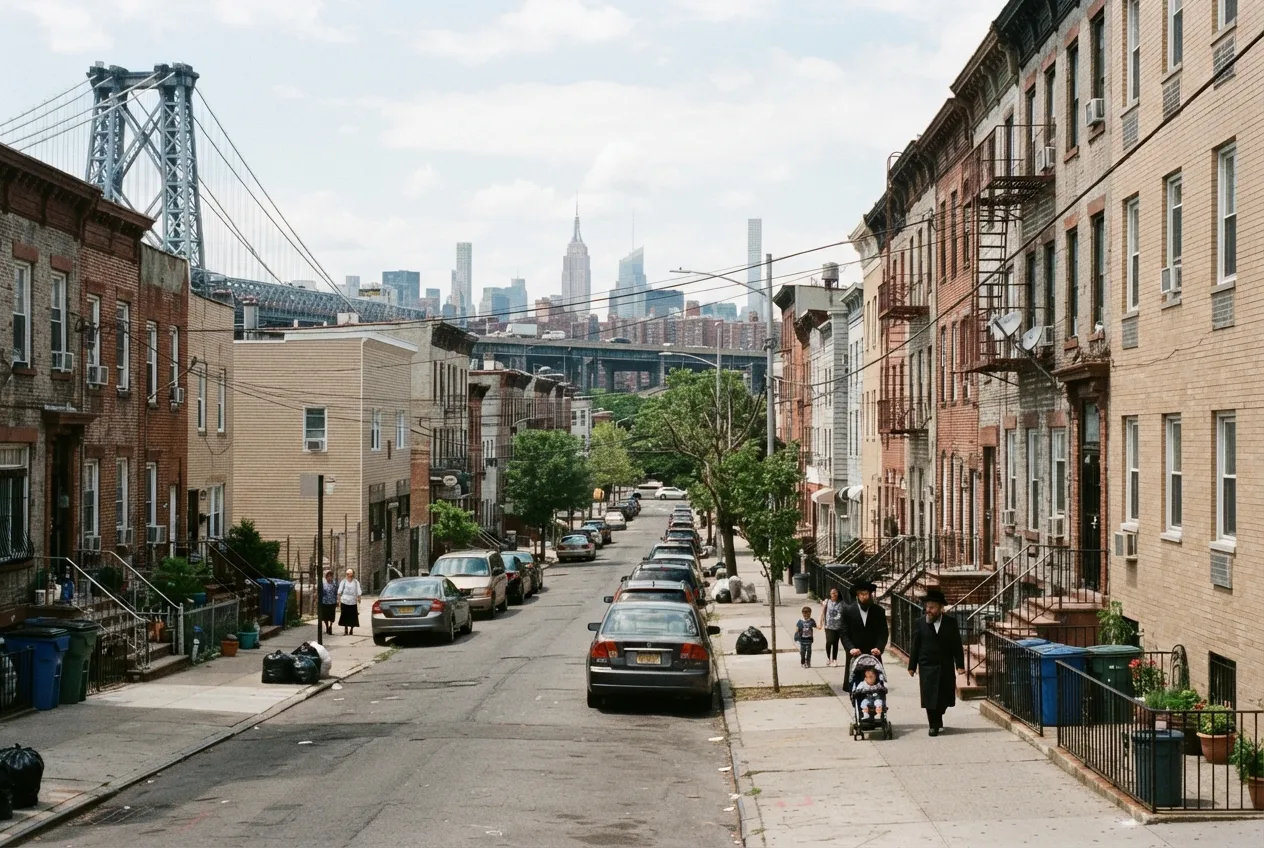
In South Williamsburg, chimneys do a lot of quiet work. Wood-burning fireplaces in older rowhouses, gas boilers venting through masonry flues in pre-war apartment buildings, and the occasional wood stove all need a clear, sound chimney to carry smoke and exhaust out of the home. EverSafe Chimney Sweep provides chimney sweeping for homes and buildings throughout the 11249 ZIP code. Our office is in Fort Greene, about 2 miles southwest, so South Williamsburg is a short trip for our certified technicians. This page explains what a sweep involves here, when to schedule it, and what we look for in the neighborhood's older housing.
What a Chimney Sweep Includes
A sweep removes the soot, creosote and debris that build up inside a flue. Creosote is a byproduct of burning wood. It sticks to flue walls and can ignite if it gets thick enough. Gas and oil appliances leave different residue, such as soot, scale and loose debris, which can narrow the flue and weaken the draft. A typical visit includes:
We use drop cloths and vacuums to keep soot contained. That matters in homes where the fireplace sits in the main living space.
- Protecting floors and furniture around the fireplace or appliance connection
- Brushing the flue from the firebox, cleanout or roof, depending on access
- Clearing the smoke chamber, smoke shelf and damper area
- Removing nests, leaves and fallen debris
- A visual check of the firebox, damper, flue liner and chimney cap
- A plain explanation of what we found and anything that needs attention
Older Rowhouses and Pre-War Buildings
Much of South Williamsburg's housing is older masonry: rowhouses, walk-ups and pre-war apartment buildings, alongside newer construction. In older buildings, one chimney stack often holds several flues. Some serve fireplaces that haven't been used in years, and others vent a boiler or water heater. Because rowhouses share party walls, a problem in one flue can affect the unit above or the house next door.
When we sweep in these buildings, we pay attention to:
If a fireplace has been closed off for a long time, have it cleaned and inspected before you light a fire in it again.
- Which flue serves which appliance or fireplace, so the right one gets cleaned
- Cracked or missing clay tiles and mortar gaps inside the flue
- Worn crowns and missing caps that let rain and animals in
- Dampers that are rusted shut or no longer seal
- Water stains on interior walls near the chimney
Scheduling Around NYC's Heat Season
New York City's heat season runs from October 1 through May 31. During that time, building owners must keep apartments heated to the city's minimum temperatures. For buildings with boilers that vent through a chimney, the flue needs to be ready before October. Late summer and early fall are the most practical times to book a sweep, before the heating system runs every day.
The NFPA 211 standard calls for chimneys, fireplaces and vents to be inspected once a year. Chimney professionals use three inspection levels. Level 1 applies when nothing has changed. Level 2 applies when the system changes, such as a new appliance or a fuel switch, or when the home is sold. Level 3 applies when a hidden hazard has to be reached by opening part of the chimney or building. A yearly sweep is a convenient time to take care of the annual inspection too.
Converting From Oil to Gas
Many Brooklyn buildings have switched their boilers from oil to gas. When a New York City building makes that conversion, the chimney has to be evaluated as part of the work. A new liner is often needed, because gas exhaust produces acidic condensate that can corrode a masonry flue. If your building is planning a conversion, or finished one without anyone looking at the chimney, we can sweep the flue and assess its condition. That way you know whether lining work is likely to come up.
Signs It's Time for a Sweep
Even if you don't keep a set schedule, these are good reasons to book a visit:
- A strong smoky or tar-like smell from the fireplace, especially in humid weather
- Smoke drifting into the room instead of drawing up the chimney
- Black, flaky or shiny buildup in the firebox or on the damper
- Bits of tile, mortar or debris falling into the firebox
- Animal sounds or nesting material in the chimney
- A heating technician noting that a boiler or water heater isn't drafting well
Nearby Areas We Serve
Beyond South Williamsburg, we sweep chimneys in Clinton Hill, Fort Greene, Downtown Brooklyn, DUMBO and Boerum Hill. Homes across these neighborhoods often have the same older masonry chimneys and multi-flue stacks, so we take the same careful approach in each one.
More services in South Williamsburg
- Chimney Inspection in South Williamsburg
- Chimney Repair in South Williamsburg
- Air Duct Cleaning in South Williamsburg
- Chimney Liner Installation in South Williamsburg