
The short answer
Most chimney problems in South Williamsburg come from weather wearing down masonry on exposed rooftop stacks, or from flue liners that no longer suit the heating system. EverSafe Chimney Sweep inspects the chimney, shows you the damage, and repairs the crown, mortar, flashing, cap, or liner. That keeps water and exhaust where they belong.
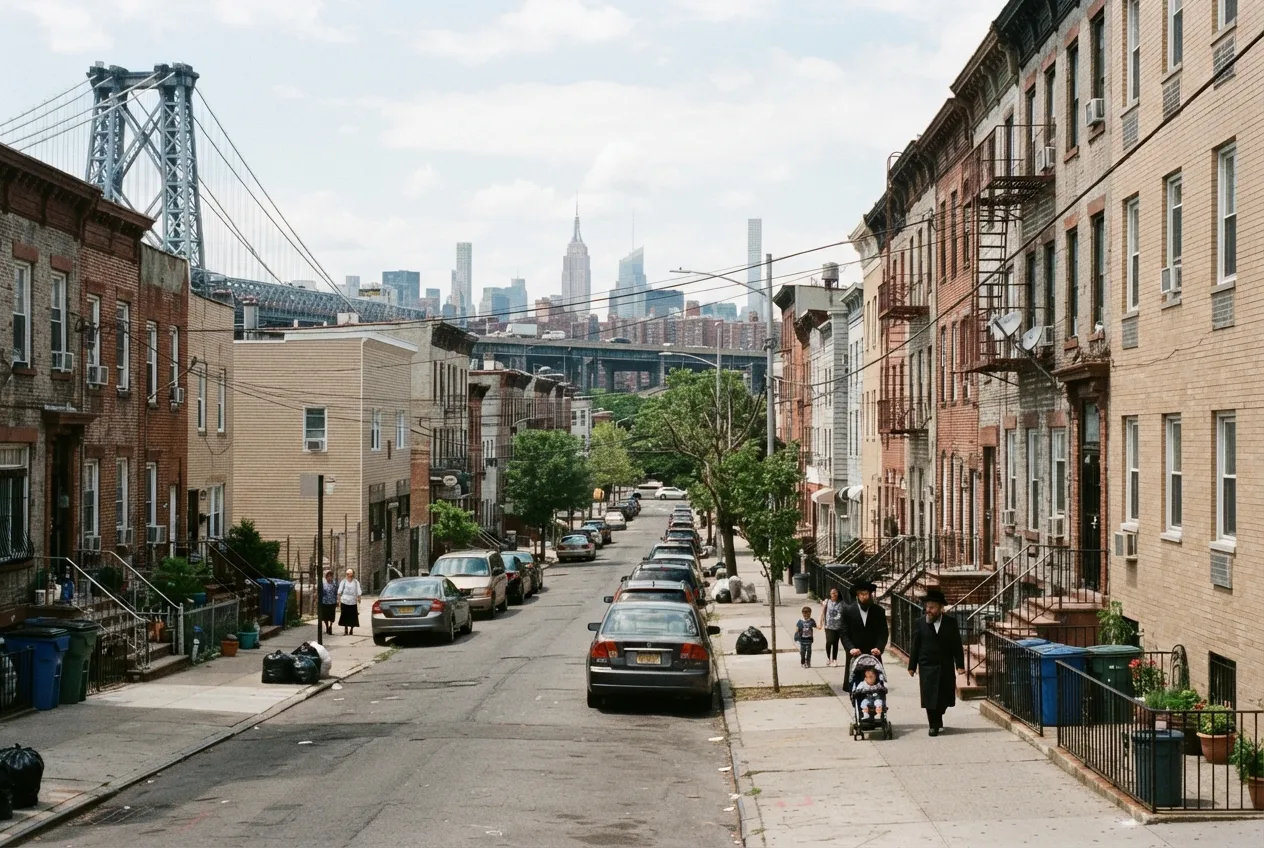
Chimneys in South Williamsburg take a beating. Most rise from attached rowhouses and pre-war apartment buildings, so they stand exposed above flat roofs with nothing around them to block wind, rain, or freeze-thaw cycles. EverSafe Chimney Sweep repairs chimneys throughout ZIP code 11249 from our office in Fort Greene, about 2 miles away. Our certified technicians handle cracked crowns, failing mortar, leaky flashing, and worn-out flue liners. Before recommending any work, we explain what we found and why it matters.
Why Chimneys in South Williamsburg Need Repair
Older Brooklyn masonry was built to last, but it was never meant to go decades without upkeep. On a rowhouse or walk-up, the chimney usually sits at the roofline and catches every storm head-on. Water that gets into brick and mortar freezes in winter, expands, and slowly pushes the masonry apart.
Many buildings here have also changed how they're heated over the years. A flue that once vented a coal or oil appliance may now serve a gas boiler or water heater. Gas exhaust behaves differently. It can produce acidic condensate that eats into a masonry flue that was never lined for it. Repairs in this neighborhood often come down to these two forces: weather on the outside and exhaust on the inside.
Warning Signs to Watch For
You don't need to climb onto the roof to spot many chimney problems. Some show up inside the home, and others you can see from the street or from a neighbor's roof deck. Call us if you notice any of the following:
- Brick faces flaking, crumbling, or popping off (spalling)
- Mortar joints that are recessed, sandy, or missing
- A cracked or broken concrete crown at the top of the chimney
- Water stains on ceilings or walls next to the chimney
- White, chalky deposits (efflorescence) on the brick
- A chimney that leans or pulls away from the building
- Rust, debris, or bits of tile falling into the fireplace or cleanout
- A missing or damaged chimney cap
Chimney Repairs We Handle
Every repair starts with an inspection. Patching one problem doesn't help if another one is causing it. Once we know where the trouble starts, we fix the parts that need it and leave the sound masonry alone.
Exterior work includes repointing deteriorated mortar joints, replacing damaged brick, and rebuilding or resealing chimney crowns. We also install and replace caps that keep out rain, birds, and debris. Flashing, where the chimney meets the roof, is a common source of leaks into top-floor apartments, and we reseal or replace it as needed. Inside the chimney, we repair or replace damaged flue tiles and install stainless steel liners. We also fix dampers that no longer close properly.
Liners, Gas Conversions, and NYC Rules
When a New York City building switches its boiler from oil to gas, the chimney has to be evaluated as part of that work. A new liner is often needed, because acidic condensate from gas exhaust can corrode an unlined or poorly lined masonry flue. If your building has converted, or plans to, we can inspect the flue and tell you whether it is ready for the new appliance.
The NFPA 211 standard calls for chimneys, fireplaces, and vents to be inspected once a year. A Level 1 inspection fits when nothing has changed. A Level 2 inspection is called for after a change such as a new appliance or a fuel switch, or when a home is sold. A Level 3 inspection is used when a hidden hazard can only be reached by opening part of the chimney or building.
Plan Repairs Around Heat Season
New York City's heat season runs from October 1 through May 31. During that time, building owners must keep apartments heated to the city's minimum temperatures. A chimney that fails in January can put a building owner in a difficult spot. Scheduling inspections and repairs in late spring or summer leaves time to finish masonry work in mild weather and have the flue ready before the boiler runs all winter.
We also serve nearby Clinton Hill, Fort Greene, Downtown Brooklyn, DUMBO, and Boerum Hill, where the building stock and the repair needs are much the same.
More services in South Williamsburg
- Chimney Sweep in South Williamsburg
- Chimney Inspection in South Williamsburg
- Air Duct Cleaning in South Williamsburg
- Chimney Liner Installation in South Williamsburg