
The short answer
Yes, EverSafe Chimney Sweep serves South Slope and the 11215 ZIP code from our Fort Greene office about 2 miles away. We handle chimney sweeping, inspection, repair, liners, waterproofing, rebuilding, and dryer vent and air duct cleaning for rowhouses, brownstones and apartment buildings.
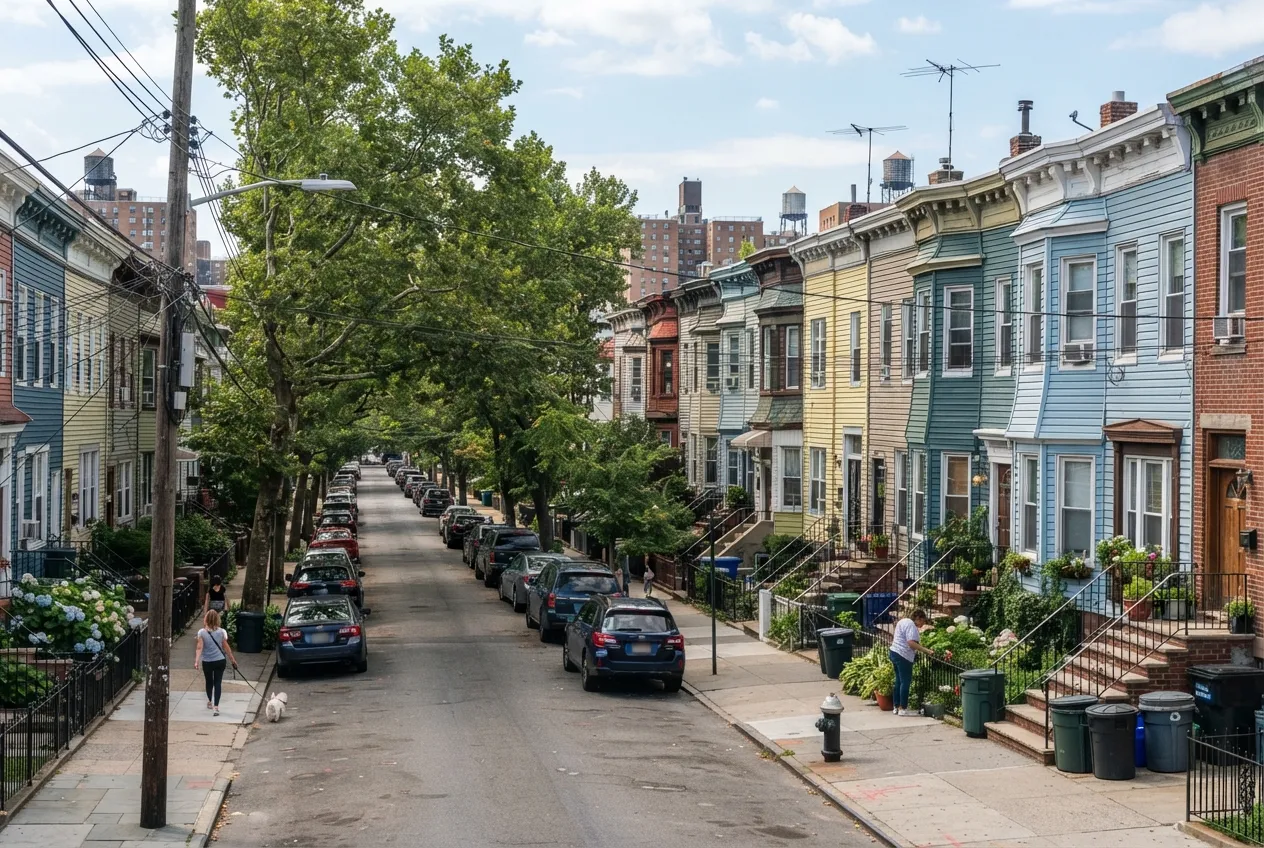
EverSafe Chimney Sweep serves South Slope from our office in Fort Greene, about 2 miles north. We clean, inspect and repair chimneys, fireplaces, liners, dryer vents and air ducts throughout the 11215 ZIP code. Much of South Slope's housing is older rowhouses, brownstones and pre-war apartment buildings, with some newer construction mixed in. Many of those homes still vent through masonry chimneys built long before today's boilers, furnaces and water heaters. Our certified technicians know how these buildings are put together and what Brooklyn weather does to them over the years.
What South Slope Homes Ask of Their Chimneys
In a typical South Slope rowhouse or brownstone, one chimney stack often holds several flues. One may serve a decorative or wood-burning fireplace on the parlor floor. Another may carry exhaust from the boiler or water heater in the cellar. Over the decades, fireplaces get sealed up and reopened, heating equipment gets replaced, and the flues don't always get updated to match.
In pre-war apartment buildings, the chimney is part of the heating system the whole building depends on. Heat season in New York City runs from October 1 through May 31. During those months, building owners must keep apartments heated to the city's minimum temperatures, so a blocked or damaged boiler flue is a problem that needs attention right away. We try to find those problems during the warmer months, before the boiler is running every day.
How Brooklyn Weather Wears Down Masonry
Brooklyn winters swing above and below freezing over and over. Water that soaks into brick and mortar freezes, expands and pushes the joints apart. When it thaws, more water gets in. Winter storms and nor'easters drive rain and snow sideways into crowns and flashing. Humid summers keep damp masonry from drying out. Over time, this cycle cracks crowns, loosens bricks and lets water reach the flue and the walls around it.
The work that helps most depends on what we find on the roof and inside the flue:
- Chimney caps to keep out rain, snow, birds and squirrels
- Chase covers for framed chimneys on newer additions and top-floor units
- Waterproofing for brick that is still sound but absorbs water
- Repointing, crown repair and flashing repair for damaged masonry
- Partial or full chimney rebuilding when the stack has deteriorated too far to patch
Yearly Inspections and Oil-to-Gas Conversions
The NFPA 211 standard calls for chimneys, fireplaces and vents to be inspected once a year. A Level 1 inspection fits most homes when nothing has changed. A Level 2 inspection applies when the system changes, such as a new appliance or a switch of fuel, or when the home is sold. A Level 3 inspection is used when a suspected hidden hazard can only be reached by opening part of the chimney or the building.
Many older Brooklyn buildings have moved their boilers from oil to gas. When a New York City building makes that conversion, the chimney has to be evaluated as part of the work. Gas exhaust produces acidic condensate that can corrode a masonry flue, so a new liner is often needed. We inspect the flue, explain what we see, and install a properly sized liner when one is called for.
Dryer Vents and Air Ducts
Dryer vents in older South Slope buildings often run long distances through walls or up to the roof, and lint builds up along the way. According to the U.S. Fire Administration, failure to clean is the leading factor contributing to clothes dryer fires in homes. If your clothes take longer to dry or the laundry room gets unusually hot, the vent is worth checking.
For air ducts, we follow the EPA's guidance. Cleaning is advised when there is substantial visible mold growth, vermin, or excessive dust and debris. The EPA also notes that duct cleaning has not been shown to prevent health problems. It suggests researching the process before responding to very cheap advertised offers and being cautious about chemical treatments. We will tell you plainly whether your ducts need cleaning.
Services in South Slope and Nearby
We offer the full list of services below in South Slope. We also work in the neighboring areas of Park Slope, Prospect Heights, Carroll Gardens, Cobble Hill and Gowanus.
- Chimney sweep
- Chimney inspection
- Chimney repair
- Chimney liner installation
- Chimney cap and chase cover
- Chimney waterproofing
- Fireplace and damper repair
- Chimney rebuilding
- Dryer vent cleaning
- Air duct cleaning
ZIP codes we serve
- 11215