The short answer
A chimney liner protects your masonry and safely vents exhaust, and in Gowanus it is most often needed after flue damage is found or when a building converts its boiler from oil to gas. EverSafe's certified technicians inspect the chimney first, then recommend and install a liner sized for your appliance or fireplace.
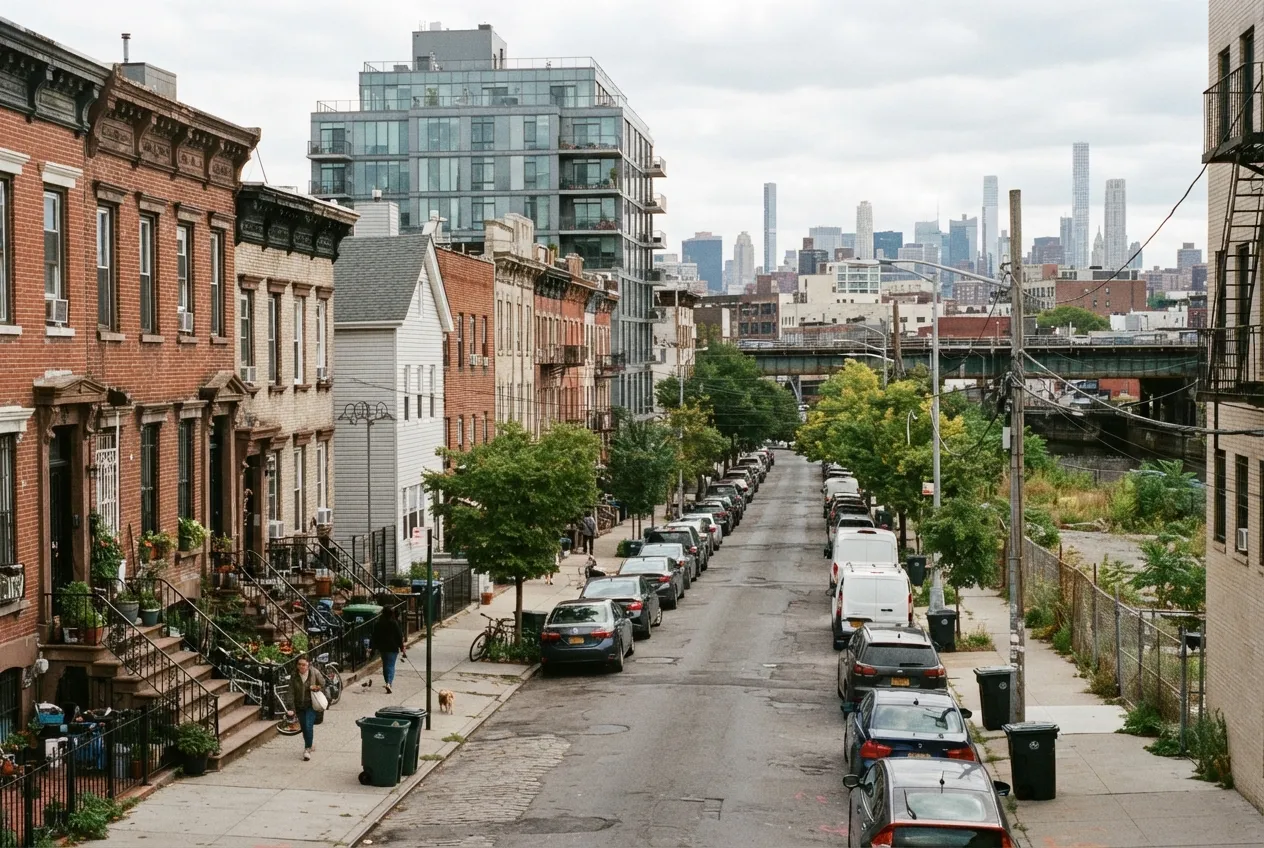
A chimney liner is the protective channel that carries smoke and exhaust gases up and out of your home. In Gowanus, many homes and buildings have masonry chimneys that were built long before today's heating equipment existed, and the original flue may be cracked, unlined, or the wrong size for the boiler, furnace, water heater, or fireplace it now serves. EverSafe Chimney Sweep installs chimney liners for rowhouses, brownstones, pre-war apartment buildings, and newer homes throughout the 11231 ZIP code. Our office in Fort Greene is about 2 miles east, so Gowanus is a short trip for our certified technicians.
Why Gowanus Chimneys Often Need a New Liner
Older masonry chimneys in Brooklyn were commonly built with clay tile flues or with no liner at all. Over decades, heat, moisture, and freeze-thaw cycles can crack tiles, wash out mortar joints, and leave gaps where heat and exhaust reach the surrounding brick and framing. In attached rowhouses and brownstones, where chimneys often sit in shared walls, a damaged flue is a concern for more than one household.
Heating equipment has also changed. A flue that once vented a coal stove or an old oil burner may not be the right size or material for a modern high-efficiency boiler or water heater. An oversized flue can let exhaust cool too quickly, which leads to condensation and poor draft.
- Cracked, shifted, or missing clay flue tiles
- Crumbling mortar or flaking brick inside the flue
- Water stains or damp spots on walls near the chimney
- Poor draft, smoke spillage, or exhaust odors indoors
- A new boiler, furnace, or water heater being connected to an old flue
Oil-to-Gas Conversions in Gowanus Buildings
Many Gowanus buildings have moved, or are planning to move, from heating oil to natural gas. When a New York City building converts its boiler from oil to gas, the chimney has to be evaluated as part of the work, and a new liner is often needed. The reason is chemistry: gas exhaust produces acidic condensate that can corrode an unprotected masonry flue from the inside.
If you are planning a conversion, it helps to bring us in early so the chimney evaluation and any liner installation can be coordinated with your heating contractor's schedule. That keeps the project from stalling once the new boiler is ready to be connected.
Choosing the Right Liner for Your Home
There is no single liner that fits every chimney. The right choice depends on what the flue vents, the fuel it burns, the size and shape of the chimney, and the condition of the existing masonry. After inspecting your chimney, we explain the options that fit your situation and why we recommend one over another.
- Stainless steel liners, commonly used for gas and oil appliances and for many wood-burning fireplaces
- Liners sized to match the venting needs of a specific boiler, furnace, or water heater
- Insulated liner systems where added protection or better draft is needed
- Separate flues when more than one appliance needs its own venting path
How Liner Installation Works
Every job starts with an inspection. The NFPA 211 standard calls for chimneys, fireplaces, and vents to be inspected once a year, and it describes three inspection levels. A Level 2 inspection is called for when the system changes, such as a new appliance or a switch of fuel, or when a home is sold. That is usually the level that applies before a liner is installed. If a hidden hazard has to be reached by opening part of the chimney or building, a Level 3 inspection may be needed.
Once we know the condition of the flue, we measure it, clean out debris, and install the liner from the top down. We connect it to the appliance or fireplace, seal and cap the top, and check that the system drafts correctly. We work carefully on rooftops and inside finished homes, and we clean up when the job is done.
Timing Your Project Around Heat Season
New York City's heat season runs from October 1 through May 31, when building owners must keep apartments heated to the city's minimum temperatures. If you own a multi-unit building in Gowanus, it is usually easiest to schedule liner work in late spring or summer, when the boiler can be taken offline without affecting tenants. If you discover a problem during the heating months, contact us right away so we can assess it and help you plan next steps. We also serve nearby Carroll Gardens, Cobble Hill, Park Slope, Brooklyn Heights, and Downtown Brooklyn.
More services in Gowanus
- Chimney Sweep in Gowanus
- Chimney Inspection in Gowanus
- Chimney Repair in Gowanus
- Air Duct Cleaning in Gowanus