
The short answer
EverSafe Chimney Sweep serves all of Crown Heights (ZIP 11213) from our Fort Greene office about two miles away. Our certified technicians sweep, inspect and repair chimneys, install liners for oil-to-gas conversions, and clean dryer vents and air ducts in brownstones, rowhouses and pre-war buildings.
EverSafe Chimney Sweep works throughout Crown Heights, Brooklyn, in ZIP code 11213. Our office is in Fort Greene, about two miles to the northwest, so Crown Heights is part of our regular service area. We sweep, inspect and repair chimneys, install liners, and clean dryer vents and air ducts for owners of brownstones, rowhouses, pre-war apartment buildings and detached homes. Our certified technicians explain what they find in plain terms and tell you what needs attention now and what can wait.
Chimney and Vent Work for Crown Heights Homes
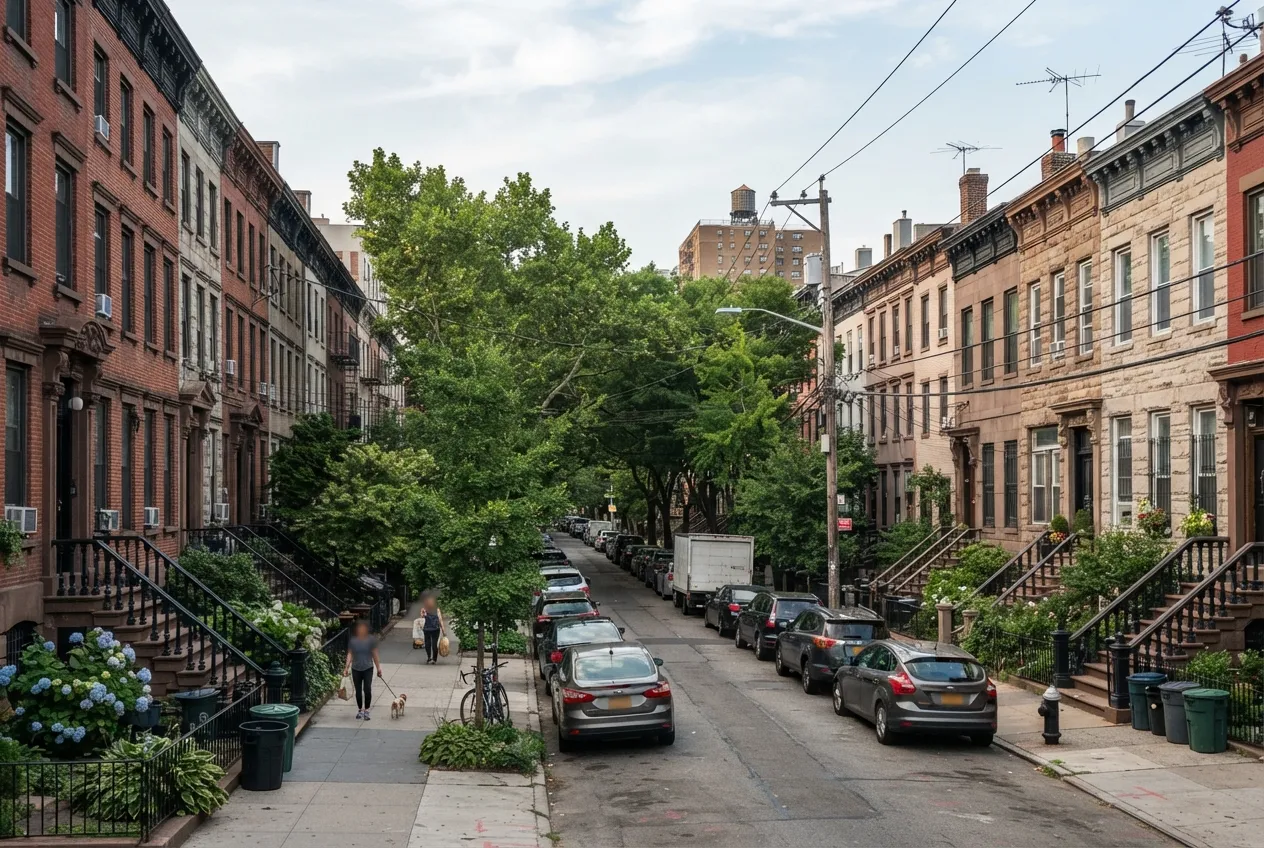
Much of Crown Heights is older masonry housing: brownstone and brick rowhouses, pre-war apartment buildings, and some freestanding houses. Many of these chimneys were built before modern liners were common, and many have been altered over the decades. A fireplace may have been sealed off, a boiler may share a flue with a water heater, or a long-unused fireplace may have been reopened by a new owner.
Rowhouse chimneys often sit in shared or party walls, so cracked flue tiles or missing mortar can affect more than one household. In apartment buildings, the chimney serving the boiler works hard all winter. We look at the whole system, from the firebox or appliance connection to the crown on the roof, and focus on whether it is safe for the way you actually use it.
How Brooklyn Weather Wears on Chimneys
New York winters bring repeated freezing and thawing. Water that soaks into brick, mortar or a cracked crown expands when it freezes, and over several seasons that cycle loosens mortar, flakes brick faces and widens cracks. Nor'easters and summer thunderstorms drive rain against exposed chimneys, and humid summers can leave older fireplaces smelling musty when moisture mixes with soot.
Much of the work that protects a Crown Heights chimney comes down to keeping water out:
- Chimney caps that keep rain, birds and debris out of the flue
- Chase covers for framed chimneys that rise through a roof
- Crown repair when the top slab is cracked or crumbling
- Repointing, and partial or full chimney rebuilding when masonry is failing
- Breathable waterproofing applied to sound brick after repairs
Oil-to-Gas Conversions, Liners and Heat Season
If your building is converting its boiler from oil to gas, New York City requires the chimney to be evaluated as part of the work. A new liner is often needed, because gas exhaust produces acidic condensate that can corrode an unlined or worn masonry flue. We inspect the existing flue, check whether it suits the new equipment, and install a properly sized liner when one is needed.
Timing matters. The city's heat season runs from October 1 through May 31, and building owners must keep apartments at the city's minimum temperatures throughout. Scheduling chimney and liner work in late spring or summer leaves room to finish before the heat has to be on.
Yearly Inspections and What Each Level Means
The NFPA 211 standard calls for chimneys, fireplaces and vents to be inspected once a year, whether you burn wood often or only run a gas boiler. Inspections come in three levels:
If you are buying a brownstone or rowhouse, a Level 2 inspection before closing can reveal flue problems a general home inspection is not designed to evaluate. We also check dampers, firebox walls and smoke chambers, and handle the fireplace and damper repairs that turn up.
- Level 1: a check of the accessible parts of the chimney when nothing about the system has changed
- Level 2: a more detailed inspection when you add or change an appliance, switch fuels, or buy or sell a home
- Level 3: opening part of the chimney or building to reach a hidden hazard, used only when there is reason to suspect one
Dryer Vents and Air Ducts
According to the U.S. Fire Administration, failure to clean is the leading factor contributing to home clothes dryer fires. In rowhouses and apartments, dryer vents often run long distances or make tight turns before reaching outside, giving lint more places to collect. We clean the full run, not just the section behind the machine.
For air ducts, we follow the U.S. EPA's guidance: cleaning makes sense when there is substantial visible mold, signs of vermin, or excessive dust and debris. Duct cleaning has not been shown to prevent health problems, so we don't promise that. We are cautious with chemical treatments, and we suggest researching any company before responding to a very cheap advertised offer.
Nearby Neighborhoods We Serve
Beyond Crown Heights, we work in Prospect Heights, Clinton Hill, Park Slope, Fort Greene and South Williamsburg. Housing in those neighborhoods is similar, so the same attention to older masonry, shared walls and oil-to-gas conversions applies.
ZIP codes we serve
- 11213