
The short answer
Yes, EverSafe Chimney Sweep serves Civic Center, Manhattan (ZIP codes 10007, 10013, 10278 and 10279), about 3 miles from our Fort Greene office. Our certified technicians sweep, inspect and repair chimneys, install liners for oil-to-gas conversions, and clean dryer vents and air ducts.
Civic Center sits in Lower Manhattan, about 3 miles northwest of our Fort Greene, Brooklyn office. EverSafe Chimney Sweep serves homes and buildings across ZIP codes 10007, 10013, 10278 and 10279. Housing here is mostly pre-war apartment buildings, converted loft and commercial buildings, and newer residential towers. Each has chimneys, boiler flues, dryer vents and duct systems that need regular attention. Our certified technicians clean, inspect and repair these systems for building owners, co-op and condo boards, and individual residents.
Chimney care for Civic Center's older buildings
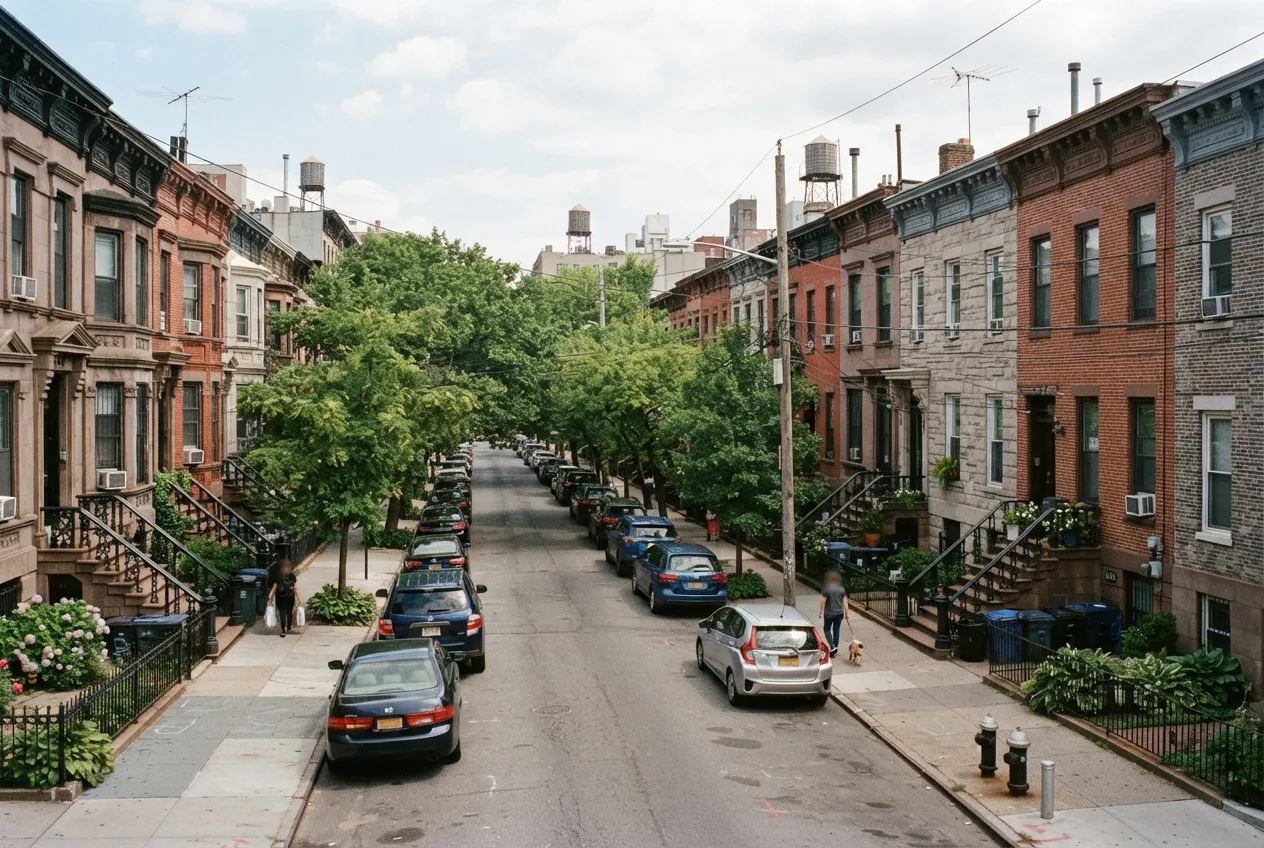
Many residential buildings in Civic Center predate modern heating systems. A pre-war apartment building may still vent its boiler through a tall masonry chimney, and some apartments in converted lofts keep a working wood-burning or decorative fireplace. These flues age the way all masonry does. Mortar joints erode, flue tiles crack, and crowns at the top of the stack break down after years of exposure.
The NFPA 211 standard calls for chimneys, fireplaces and vents to be inspected once a year. We use the three inspection levels that are standard in the industry. A Level 1 inspection fits a system that hasn't changed. A Level 2 inspection applies when something changes, such as a new appliance or a fuel switch, or when a home is sold. That makes it relevant to many co-op and condo sales in the area. A Level 3 inspection is for a suspected hidden hazard that can only be reached by opening part of the chimney or building.
How New York weather wears on chimneys
Lower Manhattan sees cold, wet winters with repeated freeze-thaw cycles, wind-driven rain from coastal storms, and hot, humid summers. Water does the most damage to masonry. When it soaks into brick and mortar and then freezes, it expands and pushes the material apart. Over a few seasons that can lead to spalling brick, loose crowns, and leaks that show up as stains on ceilings or walls near the chimney.
A properly fitted chimney cap or chase cover keeps rain, debris and animals out of the flue. A breathable waterproofing treatment helps brick shed water without trapping moisture inside. Where damage has gone further, we handle repairs and, when needed, partial or full chimney rebuilding.
Timing matters too. New York City's heat season runs from October 1 through May 31, and during that period building owners must keep apartments heated to the city's minimum temperatures. Scheduling sweeping, inspection and repairs in late spring or summer gives you time to get boiler flues ready before the heat has to be on.
Oil-to-gas conversions and chimney liners
Some Civic Center buildings still heat with oil, and many owners are planning a switch to gas. When a New York City building converts its boiler from oil to gas, the chimney has to be evaluated as part of the work. A new liner is often needed because gas exhaust produces acidic condensate that can corrode a masonry flue.
We inspect the existing flue and explain what we find. When a liner is required, we install one sized for the new appliance so the conversion can move forward.
Dryer vents and air ducts
In apartment buildings, dryer vents often run a long way through walls and shafts before reaching the outside, and lint builds up along the route. According to the U.S. Fire Administration, failure to clean is the leading factor contributing to clothes dryer fires in homes. Signs that a vent needs attention include clothes taking longer to dry, a dryer that runs hot, or a burning smell.
For air ducts, we follow the U.S. EPA's guidance. Cleaning makes sense when there is substantial visible mold growth, vermin, or excessive dust and debris. The EPA also notes that duct cleaning has not been shown to prevent health problems. It advises homeowners to research the process before responding to very cheap advertised offers and to be careful with chemical treatments. We'll tell you plainly whether your ducts need cleaning, and we discuss any chemical treatment with you before using it.
Services we provide in Civic Center and nearby
Our technicians work across Civic Center's ZIP codes 10007, 10013, 10278 and 10279. We also serve nearby Brooklyn neighborhoods, including Brooklyn Heights, Downtown Brooklyn, DUMBO, Boerum Hill and Fort Greene.
- Chimney Sweep: removing soot, creosote and debris from flues
- Chimney Inspection: Level 1, 2 and 3 inspections
- Chimney Repair: mortar, brick, crown and flue tile work
- Chimney Liner Installation: including liners for oil-to-gas conversions
- Chimney Cap & Chase Cover: keeping out water, debris and animals
- Chimney Waterproofing: breathable treatments for masonry
- Fireplace & Damper Repair: restoring safe, working fireplaces
- Chimney Rebuilding: partial or full rebuilds of damaged stacks
- Dryer Vent Cleaning: clearing lint from long apartment vent runs
- Air Duct Cleaning: when mold, vermin or heavy debris are present
ZIP codes we serve
- 10007
- 10013
- 10278
- 10279