
The short answer
A chimney liner is usually needed in Brooklyn Heights when an older masonry flue is damaged, unlined, or no longer matches the appliance using it. This often happens when a building converts its boiler from oil to gas. We inspect the flue first, then recommend and install a liner sized for your system.
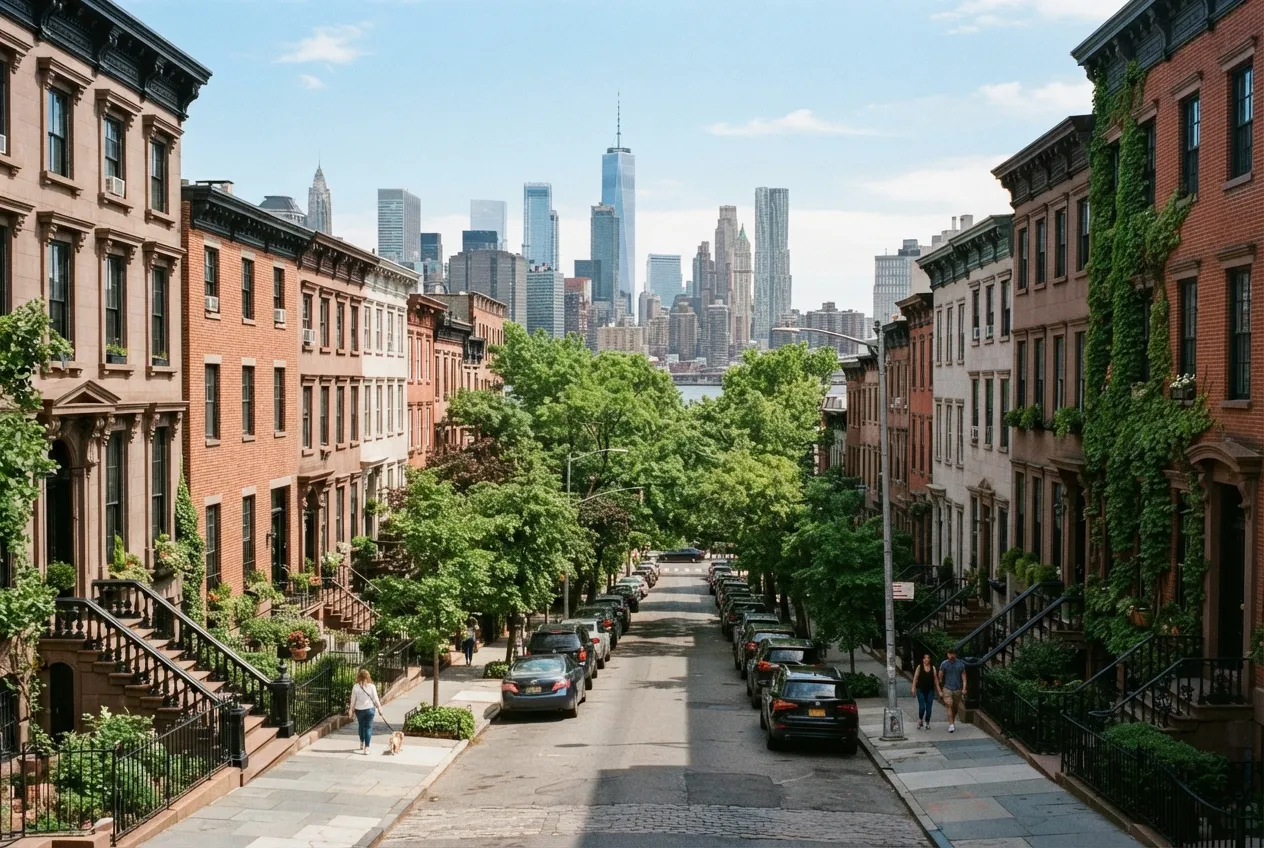
Many homes in Brooklyn Heights are brownstones, rowhouses and pre-war apartment buildings whose chimneys were built long before today's boilers, water heaters and gas appliances. The original flue lining may be cracked, missing, or sized for a fuel the building no longer burns. EverSafe Chimney Sweep installs chimney liners for Brooklyn Heights homeowners and building owners. Our office in Fort Greene is about a mile away, so we can inspect your flue, explain what we find, and plan a liner that fits your chimney and the appliance venting into it.
Why older Brooklyn Heights chimneys often need a new liner
A chimney liner is the inner channel that carries smoke and exhaust up and out of the building. It also protects the surrounding brick and mortar from heat and corrosive byproducts. In older masonry chimneys, the original clay tile can crack, shift or wear away over decades of use. Some very old chimneys were never fully lined at all.
Brownstones and rowhouses share walls with their neighbors, and pre-war apartment buildings often run several flues side by side. When a liner fails, exhaust and heat can reach parts of the masonry they were never meant to touch. A sound liner keeps that exhaust contained and moving in the right direction.
Oil-to-gas conversions and relining
Many buildings in the area have switched their boilers from oil to gas. When a New York City building makes that conversion, the chimney has to be evaluated as part of the work, and a new liner is often needed. Gas exhaust produces acidic condensate that can corrode a masonry flue that handled oil exhaust without trouble for years.
If you are planning a conversion, it helps to bring us in early. We can inspect the chimney, tell you whether it can be relined, and work alongside your heating contractor so the liner matches the new boiler or water heater.
How we approach a liner installation
Every job starts with an inspection. The NFPA 211 standard calls for chimneys, fireplaces and vents to be inspected once a year. It describes a Level 2 inspection when the system changes, such as a new appliance or a switch of fuel, or when a home is sold. Most relining projects begin at that level, often with a camera run through the full height of the flue.
From there we recommend the liner that fits your situation and walk you through the reasons before any work starts.
- Inspect the flue and note cracks, gaps, blockages and offsets
- Confirm which appliances vent into the chimney and what fuel they burn
- Size the liner to the appliance so exhaust drafts properly
- Clean the flue before installation
- Install the liner, connections and cap, then check draft and venting
Planning around heat season
New York City's heat season runs from October 1 through May 31. During those months, building owners must keep apartments heated to the city's minimum temperatures. For a building owner, a boiler that has to stay off while its chimney is relined becomes a real scheduling problem in the middle of winter.
Spring and summer are usually the easiest times to reline a boiler chimney. If an inspection during heat season turns up a problem, we will talk through your options and help you plan the work to limit time without heat.
Serving Brooklyn Heights and nearby neighborhoods
Because we are based in Fort Greene, Brooklyn Heights is close to home for our certified technicians. We also install chimney liners in Downtown Brooklyn, DUMBO, Boerum Hill, Fort Greene and Carroll Gardens. Many of the homes there have the same older masonry chimneys.
Whether you own a single brownstone with a fireplace or manage a pre-war building with a boiler flue, we will explain what we see, what we recommend, and why.
More services in Brooklyn Heights
- Chimney Sweep in Brooklyn Heights
- Chimney Inspection in Brooklyn Heights
- Chimney Repair in Brooklyn Heights
- Air Duct Cleaning in Brooklyn Heights